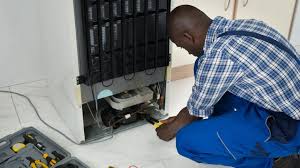


A washing machine should make some sound. Water fills. The drum turns. The motor hums. During spin, it gets a little louder. That is normal.
But when the machine starts sounding like a matatu in your laundry area, something is wrong.
Maybe your washer in Kasarani starts banging against the wall during spin. Maybe the floor vibrates so much that you rush to hold the machine in place. Or maybe you hear a high-pitched squeal, a grinding sound, or a strange buzz that was not there last week.
In a Kenyan home, a noisy washing machine can be easy to dismiss at first. We are used to loud streets, busy estates, and appliances that work hard. But a washer that is shaking violently or making new sounds is usually warning you that something needs attention.
Sometimes the fix is simple, like balancing the load or leveling the machine. Other times, the problem is a worn bearing, loose belt, weak suspension, failing pump, or damaged motor part. Knowing the difference can save you from turning a small repair into a costly one.
First, Notice When the Noise Happens
The timing of the noise tells you a lot.
If the sound happens while the machine is filling or washing, the problem may be with the agitator, motor, gearbox, or something stuck inside the drum. During wash, you should mostly hear water movement and a gentle turning sound.
If the noise happens while draining, listen for the pump. A normal drain cycle has the sound of water rushing out and a steady pump hum. A loud buzz, rattle, or grinding during drain may mean the pump is blocked or wearing out.
Most serious noise complaints happen during spin. Spin is the most stressful part of the cycle because the drum rotates fast and the machine has to stay balanced. A healthy spin should sound steady. If the machine bangs, jumps, squeals, roars, or shakes across the floor, stop the cycle and check it.
That moment matters. Continuing to run a machine that is already struggling can damage the tub, motor, bearings, hoses, and floor.
Banging and Jumping Usually Start With Load Balance
One of the most common washing machine problems in Kenya is violent shaking during spin.
The machine starts spinning, then suddenly bangs from side to side. It may move across the floor, hit the wall, or sound like it is about to come apart.
The first thing to check is the load.
One heavy towel, a soaked duvet, jeans bunched on one side, or blankets packed unevenly can throw the drum off balance. Modern front loaders may try to rebalance the load, slow down, and try again. If they cannot balance, they may stop or show an error. Top loaders may keep going, which can cause more damage.
This happens often because many households try to finish laundry in one or two loads. But machine capacity refers to dry clothes, not soaked heavy bedding. A wet duvet can weigh far more than the washer is built to handle.
Pause the cycle, redistribute the clothes, and remove some items if the drum is too full. Then try spinning again.
If the machine becomes quiet and stable, the issue was load balance, not a broken part.
An Unlevel Washer Can Shake Even With a Normal Load
If the load is balanced but the machine still shakes, check whether the washer is level.
Uneven floors are common in rentals, older apartments, and laundry spaces built on sloped tiles. If one foot is slightly higher or lower, the drum will not sit properly. During spin, that imbalance becomes louder and more violent.
Push the washer gently from different sides. If it rocks, the feet need adjustment.
Most washing machines have adjustable feet at the bottom. Turn them until all four corners sit firmly on the floor. If possible, use a spirit level or even a phone level app. Once adjusted, tighten the lock nuts so the feet do not move again during spin.
A washer that rocks every week will wear out its suspension, bearings, and drum faster. Leveling it is a small job, but it protects the machine.
If It Still Bangs, the Suspension May Be Worn
A washing machine uses shocks, springs, or suspension rods to control drum movement. These parts absorb the force of spinning, especially when clothes are wet and heavy.
Over time, they wear out. Overloading makes them fail faster.
If the machine is level and the load is balanced but it still bangs badly during spin, the suspension may be weak. On some front loaders, you may notice the drum sagging when you open the door. On top loaders, the tub may swing too freely when pushed.
Worn shocks or springs should be replaced before they cause bigger damage. If ignored, the drum can hit the outer tub, crack plastic parts, tear hoses, or damage the cabinet.
This is not a repair to postpone for months. A suspension job is usually cheaper than replacing a damaged tub.
A Roaring or Grinding Sound Often Means Bearing Trouble
If your washing machine sounds like a small plane taking off during spin, the bearings may be worn.
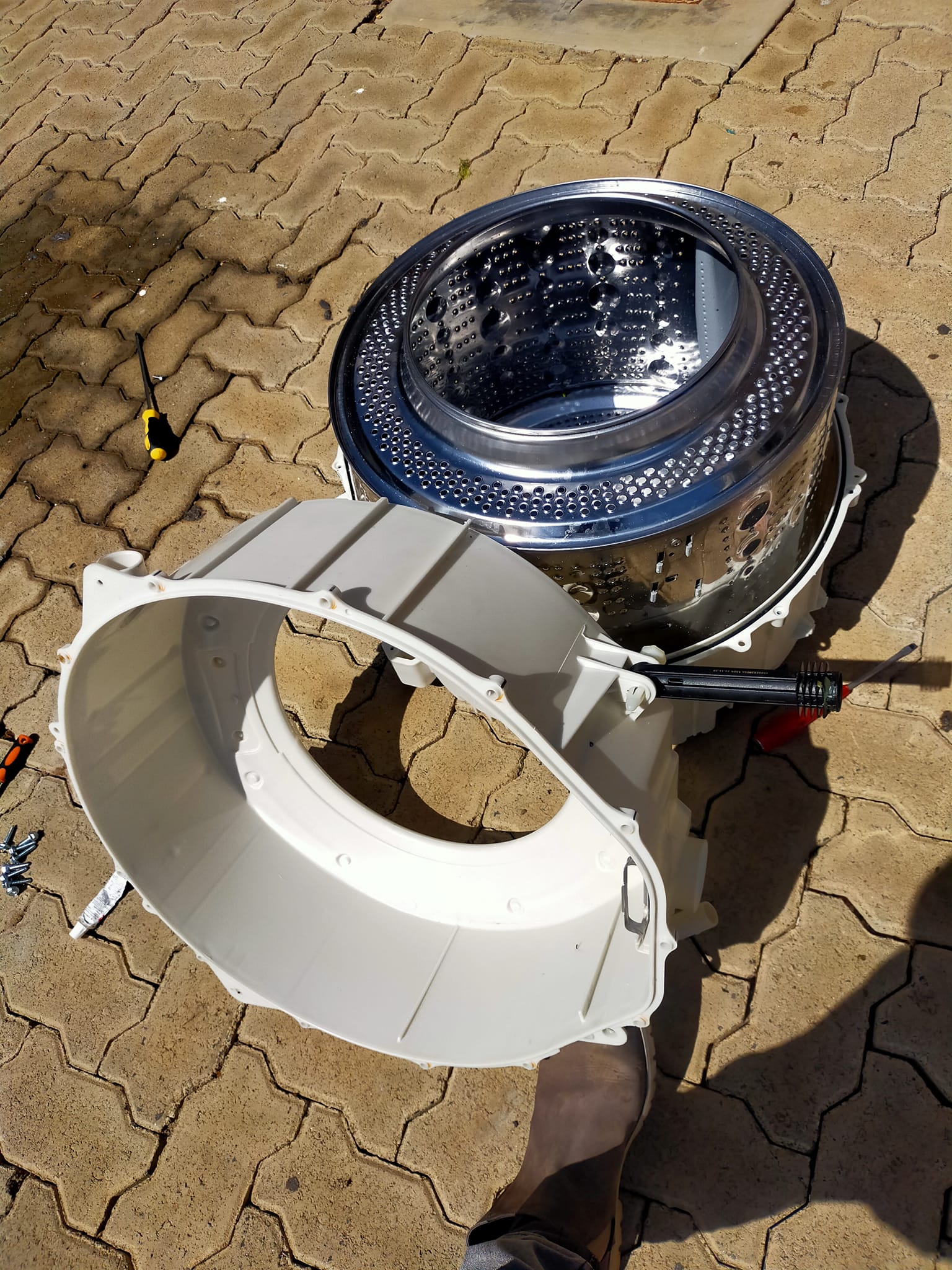
Bearings allow the drum to spin smoothly. When water gets past the seal, the bearings rust and become rough. The sound often starts quietly, then gets louder over time. During high-speed spin, it becomes a deep roar or grinding noise.
Hard water, detergent buildup, overloading, and age can all contribute to bearing failure. In areas with hard water, seals may wear faster, allowing water to reach the bearings.
You can do a simple check when the machine is off. Open the door and turn the drum by hand. If it feels rough, gritty, loose, or makes a rumbling sound, the bearings may be damaged.
Also check for play. If the inner drum moves separately from the outer tub when you lift it slightly, that is another warning sign.
Bearing replacement is a major repair because the machine often has to be stripped down. On some models, the drum can be opened and the bearings replaced. On others, especially sealed drum designs, the full drum assembly may be needed, which can make the repair expensive.
A technician should explain whether bearing repair is worth it based on the machine’s age and condition.
High-Pitched Squealing May Point to a Belt or Motor Issue
A squealing or screeching sound often comes from a belt.
Many top loaders and older front loaders use a belt to connect the motor to the drum. Over time, the belt can stretch, crack, dry out, or slip. Heat and humidity can make belts age faster, especially in coastal areas like Mombasa, Diani, and Bamburi.
A slipping belt may squeal when the drum starts turning or during spin. The drum may also turn slowly or fail to spin properly.
If the belt is worn, replacement is usually straightforward for a technician. If the new belt keeps slipping off, the problem may be deeper. The pulley may be worn, or the drum may be wobbling because of bearing issues.
On direct-drive machines, such as some LG and Samsung models, there may be no belt. In that case, a squealing or struggling sound may point to the motor, rotor, sensor, or control system.
Either way, avoid running the machine if the noise is sharp or smells like burning.
Clicking, Humming, or No Drum Movement Needs Diagnosis
If the machine clicks or hums but the drum does not move, several parts could be involved.
For top loaders, the lid switch may be faulty. The machine may think the lid is open, so it refuses to spin for safety. Dust and moisture can affect these switches over time.
For front loaders, the door lock may be the issue. If the door does not lock properly, the washer will not spin. Sometimes it clicks but does not fully engage.
A humming motor with no movement may also point to a faulty capacitor, worn motor brushes, jammed pump, or control board issue. The exact cause depends on the machine type and when the sound happens.
This is where guessing becomes risky. A technician should test the door lock, lid switch, motor circuit, capacitor, belt, and control board before recommending replacement parts.
Rattling or Buzzing From Underneath Often Means Pump Trouble
If the noise comes during draining, the pump may be blocked or failing.
Small items are a major cause of pump noise. Coins, hair clips, buttons, bra wires, screws, and lint can enter the drain system and rattle inside the pump housing. Sometimes the pump hums loudly but water does not move.
If your washer has a filter at the bottom front, unplug the machine, place towels down, and open the filter slowly. Water may come out. Remove any debris and check whether the pump impeller turns freely.
If the impeller is broken, the pump motor is burnt, or the machine still will not drain after cleaning the filter, the pump may need replacement.
A rattling object trapped between the inner and outer drum is another possibility. If you turn the drum by hand and hear something rolling or scraping, a technician may need to remove a hose, heater, or panel to retrieve it.
Do not ignore trapped objects. They can tear clothes, damage the drum, or later jam the pump.
What You Can Fix Yourself
Some washing machine noise problems are safe to check at home.
You can rebalance the load, remove excess clothes, level the machine, clean the drain filter, check for kinked hoses, and remove visible debris from the pump filter.
You can also check whether the machine is too close to the wall or cabinet. If it vibrates against nearby surfaces, even a small movement can sound much louder.
But do not open electrical parts, motor areas, or sealed drum sections unless you are trained. Washing machines combine water, electricity, and moving parts. A wrong move can create a bigger problem or safety risk.
When to Call a Technician
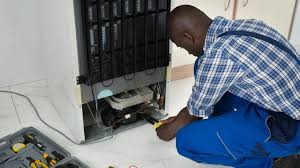
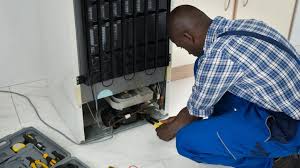
Call a technician if the machine still shakes after balancing the load and leveling it. Call if you hear grinding, roaring, metal scraping, or a loud squeal. Call if the drum feels loose, the washer leaks, smells burnt, or refuses to spin even after cleaning the filter.
Also call if the machine bangs violently during every spin cycle. That is not normal, and it will not fix itself.
A good technician will diagnose the cause instead of replacing parts randomly. For noise complaints, they should check the load, level, suspension, bearings, belt, motor, pump, door lock, and control system as needed.
They should explain the fault clearly. For example, “The shocks are worn, so the drum is hitting the cabinet,” or “The bearings are damaged, which is why the machine roars during spin.”
That explanation helps you decide whether repair makes sense.
The Real Plug can help you find vetted washing machine repair professionals by location and service type. For this issue, look for technicians who mention spin problems, shaking machines, bearing replacement, belt repair, pump faults, and LG or Samsung washer repair.
When Repair May Not Be Worth It
Some repairs are simple and worth doing. A belt, pump, lid switch, door lock, or shock absorber repair may be reasonable if the machine is otherwise in good condition.
Bearing repairs are more serious. If the washer is old, rusty, leaking, and already has other faults, spending heavily on bearings may not make sense.
Use the 50% rule. If the repair costs more than half the price of a similar new washing machine, and the unit is already old, replacement may be better.
A trustworthy technician should tell you this honestly. Sometimes the best advice is to stop repairing and start planning for a new machine.
How to Prevent Noise and Shaking Problems
Many shaking and noise problems start with daily habits.
Do not overload the machine. Wash heavy items like duvets, blankets, and towels carefully. If the item is too heavy for your washer, take it to a laundromat with a larger machine.
Check pockets before washing. Coins, screws, and small metal objects can damage the pump and drum. Use laundry bags for bras and small delicate items.
Keep the washer level. Check it every few months because vibration can shift the feet over time. Clean the filter regularly. Use the right amount of detergent so residue does not build up. Run a cleaning cycle once in a while, especially in hard-water areas.
Use a voltage protector if power in your area is unstable. Power surges can damage boards, motors, and sensors.
Leave space around the machine so it does not hit the wall or cabinet during spin.
A Quiet Machine Is Usually a Healthy Machine
A washing machine does not need to be silent, but it should sound steady.
Banging, grinding, roaring, squealing, clicking, or violent shaking all mean something has changed. Sometimes it is a simple load problem. Sometimes it is a warning that a part is wearing out.
The smartest move is to act early. Stop the cycle if the sound is harsh. Check the basics. Call a technician when the problem continues or sounds mechanical.
In a Kenyan home, a washing machine works hard. It handles school uniforms, towels, bedding, dusty clothes, and family-size laundry. A little maintenance and timely repair can keep it running quietly for years.
And honestly, laundry day is already enough work. The machine does not need to add drama.