

A deep freezer usually fails at the worst possible time.
You lift the lid in your shop in Gikomba expecting that sharp blast of cold air, but instead you feel warmth. The meat is soft. The ice cream has started melting. The frozen vegetables are sweating in their packets. At home in Kitengela, the freezer that was packed after a weekend shopping trip suddenly feels too quiet, and everything inside is beginning to thaw.
That is not the kind of problem you can ignore.
In Kenya, deep freezers are more than convenience appliances. They help homes store bulk meat, fish, vegetables, and farm produce. They keep small shops, butcheries, cafés, and food vendors running. When a freezer stops freezing, the loss can start within hours, especially in hot weather.
The good news is that most freezer problems have warning signs. If you know what to check first and when to call a technician, you can act quickly without making panic decisions.
First, Make Sure the Freezer Is Truly Not Freezing
Before assuming the worst, start with the basics.
Open the freezer briefly and check whether the light is on, if your model has one. Listen for sound. A working deep freezer usually has a soft hum. You may hear it start, run for a while, then rest. If it is completely silent and warm inside, the issue may be power, thermostat, relay, or compressor-related.
If it is humming nonstop but still not freezing, the problem could be poor airflow, dirty coils, low refrigerant, or a weak compressor.
Check the thermostat knob. It may sound too simple, but it happens often. During cleaning, loading, or moving stock, someone can accidentally turn the setting down. In a busy butchery, kiosk, or family home, it is easy to bump the dial without noticing.
Turn it to a colder setting and wait for a while. If the motor starts and the walls begin getting cold, the issue may have been the setting.
Also look at how the freezer is loaded. Many Kenyan homes pack deep freezers tightly, especially before holidays, after market days, or after buying meat in bulk. If stock is pressed too tightly against cooling walls or vents, the freezer may struggle to circulate cold air. Remove some items, leave space around the walls, and give the unit time to recover.
Power Problems Can Stop a Freezer From Starting Properly
Deep freezers need steady power to start and run well. Unfortunately, power in many areas can still be unpredictable.
Voltage drops, sudden blackouts, and surges can affect the compressor. When voltage is low, the compressor may try to start, draw too much current, overheat, then click off. You may hear a repeated click-hum-click sound every few minutes while the freezer stays warm.
This is common in places where power flickers often or returns suddenly after an outage.
If the freezer stopped freezing right after power came back, unplug it for a few minutes. Then plug it back in through a fridge guard or voltage protector. A fridge guard delays restart and gives the compressor time before it tries to run again.
Also check the socket. Deep freezers draw more power than small electronics. A loose, burnt, or weak socket can cause starting problems and damage the compressor over time. If the socket feels hot, smells burnt, or trips other appliances, do not keep using it.
Avoid long, thin extension cables. A freezer should ideally be plugged directly into a proper wall socket. If you must use an extension, it should be heavy-duty and rated for appliances.
When the Motor Runs but the Freezer Does Not Freeze
This is one of the most common deep freezer complaints.
You hear the motor. You feel vibration. The freezer seems to be working, but after many hours, water still does not freeze and food remains soft.
One possible cause is dirty condenser coils. In dusty areas like Athi River, Mlolongo, Kitengela, and parts of Nairobi, dust can build up around the coils or fan. When the freezer cannot release heat, the compressor runs hot and cooling becomes weak.
Unplug the freezer, pull it away from the wall, and check for dust around the back or lower section. Clean gently with a dry brush or vacuum. If your freezer has a condenser fan, check whether it is spinning when the compressor runs. A failed fan can cause poor cooling even when the compressor is working.
Another common cause is a weak lid seal. Chest freezers have a rubber gasket around the lid. If warm air leaks in, the freezer runs constantly but struggles to reach proper freezing temperature.
Use the paper test. Close the lid on a piece of paper and pull gently. If it slides out too easily, the seal may not be tight. In coastal areas like Mombasa, Nyali, Diani, and Malindi, seals can become brittle because of humidity and salt air. In older freezers, the gasket may simply be worn out.
Replacing the seal is usually much cheaper than replacing a compressor.
Low Refrigerant Is Possible, but It Should Not Be Guessed
Many people assume a freezer that is not freezing needs gas. Sometimes that is true, but not always.
Refrigerant does not get used up like cooking gas. It circulates inside a sealed system. If the level is low, it usually means there is a leak somewhere.
A freezer that gradually loses cooling over days or weeks may have a refrigerant leak. You may hear the compressor running, but the walls feel only slightly cool instead of cold. In some cases, there may be oily residue near tubing joints because refrigerant can carry a small amount of oil.
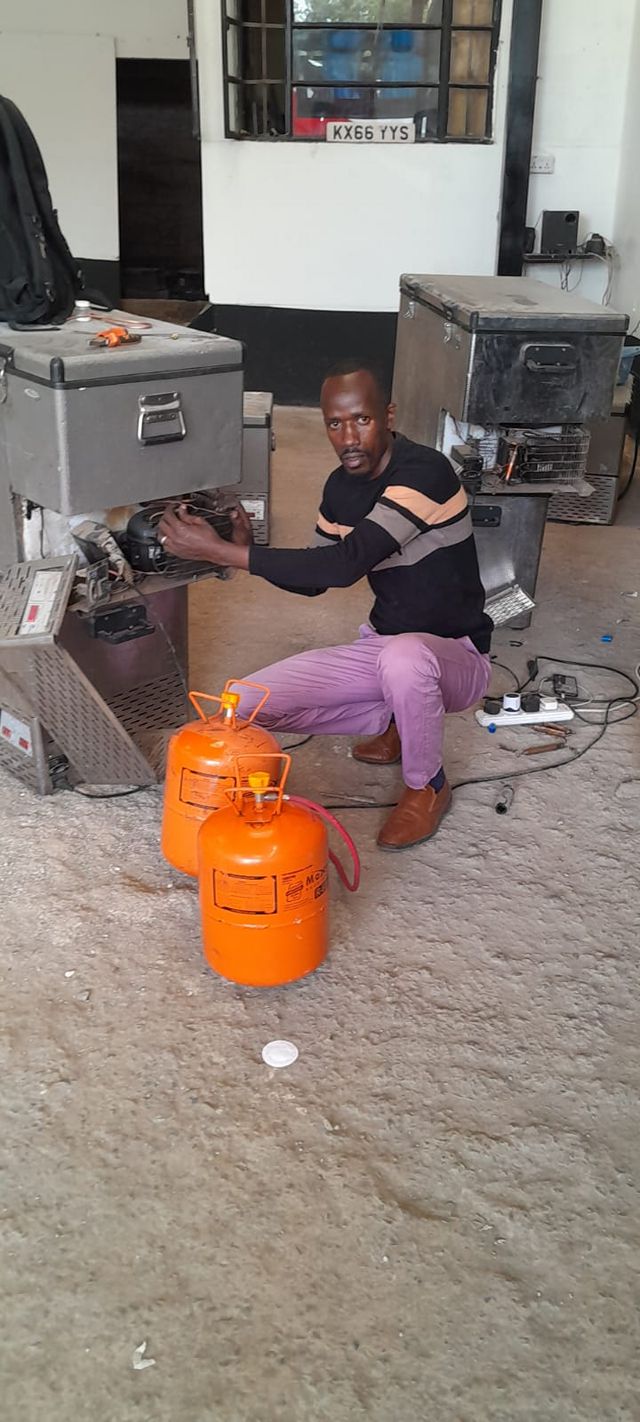
A proper repair should include leak detection, leak repair, vacuuming, and refilling with the correct refrigerant. Common refrigerants in Kenya include R134a and R600a, depending on the model.
Be careful with quick “gas top-ups” that do not include leak testing. If the leak is not repaired, the freezer may cool briefly and fail again.
This is where choosing the right technician matters. Sealed-system work needs proper tools, not guesswork.
Ice Build-Up Can Block Cooling
In manual chest freezers, some ice build-up is normal. But thick ice is a problem.
If ice becomes thicker than your finger, it acts like insulation. The freezer has to work harder, cooling becomes uneven, and storage space reduces. Defrost manual freezers before the ice becomes too heavy.
Turn the freezer off, remove the stock, keep the lid open, and let the ice melt naturally. Use towels to collect water. Do not use a knife, screwdriver, or metal tool to chip ice away. One puncture can damage the cooling plate and cause a refrigerant leak.
For upright frost-free freezers, heavy ice on the back panel may mean the defrost system has failed. The heater, sensor, timer, or board may not be working, so ice builds up around the evaporator and blocks airflow.
Manual defrosting may help temporarily. If the ice returns after a few days, a technician should check the defrost components.
When the Compressor Is the Problem
The compressor is the most expensive part of a freezer. It is also one of the parts people fear most, and for good reason.
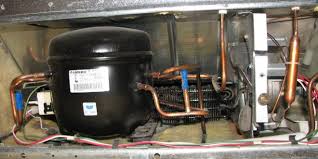
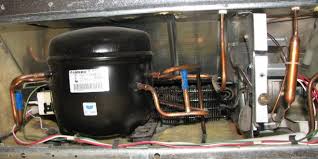
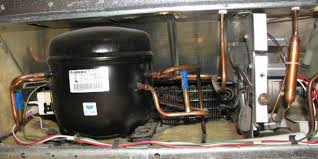
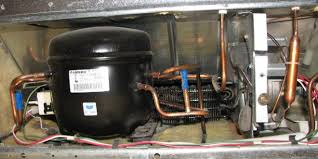
Signs of compressor trouble include repeated clicking, loud humming followed by silence, no cooling even though power is present, or a compressor that becomes very hot but does not run properly.
A technician should test the compressor with a multimeter before declaring it dead. They should also check the relay, overload protector, capacitor, wiring, and voltage supply. Sometimes the compressor is fine and the real fault is a smaller starting component.
If the compressor has failed, replacement is a major job. It involves removing the old compressor, installing a new one, replacing the filter drier, pressure testing, vacuuming, and refilling the correct refrigerant.
Before approving compressor replacement, think about the freezer’s age and condition. If it is old, rusty, inefficient, and has weak insulation, replacement may be smarter than spending heavily on repair. If it is still in good condition, compressor replacement may be worth it.
A trustworthy technician should explain both options clearly.
What to Do Immediately When Your Freezer Stops Freezing
The first rule is simple: stop opening the lid repeatedly.
Every time you check, warm air enters and the food thaws faster. If the freezer still has some cold inside, keeping it closed can buy you a few hours.
If you run a business, move stock to another freezer if possible. A neighbor, nearby shop, or backup freezer can save a lot of money. At home, use coolers and ice if you have them.
Next, check power, thermostat, airflow, and loading. Make sure the freezer is plugged in properly, the socket works, the thermostat is set correctly, and the freezer is not overloaded. Check whether there is enough space around it for heat to escape.
If these checks do not solve the problem quickly, call a technician. Do not wait until everything has thawed.
When calling, give clear details. Say whether it is a chest freezer or upright freezer. Mention the brand, size, sound, lights, and what changed. “The motor is running but it is not freezing, and the sides are very hot” is much more useful than “it is not working.”
The more specific you are, the better prepared the technician can be.
What to Expect From a Freezer Repair Technician
A reliable technician will ask questions before coming. They may ask about the brand, model, power behavior, ice build-up, sounds, recent blackouts, and whether the freezer was moved.
They should also explain the diagnosis fee or call-out charge upfront.
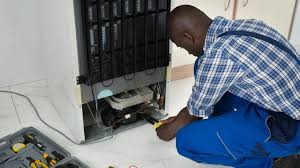
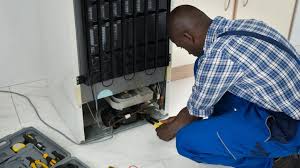
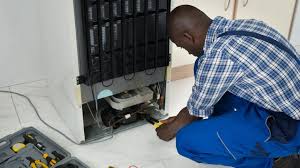
During the visit, they should test before replacing parts. For a freezer that is not freezing, they may check the thermostat, compressor relay, overload protector, condenser coils, fan, refrigerant pressure, door seal, and electrical supply.
If they immediately say “gas imeisha” without checking anything, be cautious. Low gas is possible, but it must be confirmed and the leak must be addressed.
Ask about warranty on parts and labour. For smaller repairs like fans, relays, or seals, a short workmanship warranty is reasonable. For compressor replacement, you should expect a clearer warranty period and job record.
A simple WhatsApp note or receipt showing what was repaired can help if the problem returns.
How The Real Plug Can Help
When a deep freezer stops freezing, time matters. You do not want to waste hours calling random numbers or explaining the same issue to people who do not handle freezer repairs.
The Real Plug can help you find vetted appliance repair professionals by location and service type. For freezer problems, look for technicians who mention chest freezer repair, compressor work, refrigerant service, freezer not freezing, or commercial freezer repair.
Reviews are useful too. They can show whether a technician arrives on time, explains the problem clearly, tests before replacing parts, and honors warranties.
For homes, that saves stress. For businesses, it can protect stock and reduce downtime.
How to Prevent the Next Breakdown
You cannot stop every power cut or hot day, but you can reduce the strain on your freezer.
Use a fridge guard or voltage protector. Keep the freezer in a cool, ventilated place away from direct sun, cookers, and hot walls. Leave space around it so heat can escape. Clean coils and fans every few months, especially in dusty areas.
Check the lid seal regularly. If it is loose, dirty, or cracked, fix it early. Do not overload the freezer so tightly that air cannot move. Defrost manual models before ice gets too thick.
For businesses such as butcheries, shops, restaurants, cafés, and market stalls, scheduled maintenance is worth it. A technician can check seals, coils, wiring, compressor performance, and refrigerant signs before the freezer fails during a busy day.
For homes that store bulk meat, fish, farm produce, breast milk, or medication, annual servicing is a sensible precaution.
Cold Storage Should Not Be Left to Chance
A deep freezer is one of those appliances you only truly appreciate when it stops working. It helps you buy food in bulk, reduce waste, store business stock, and prepare for busy seasons.
When it stops freezing, act quickly but calmly. Check the basics first: power, thermostat, loading, airflow, and seals. If the motor is running but nothing is freezing, or if there are clicking sounds, gas concerns, thick ice, or compressor heat, call someone qualified.
The right technician will test before replacing parts, explain the fault clearly, and help you decide whether repair or replacement makes more sense.
In Kenya’s heat, cold storage matters. Protect it with good habits, quick action, and repairs done properly the first time.