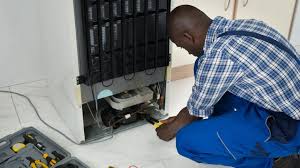


A fridge rarely fails on a quiet, convenient day.
It is usually December, the house is full, and the freezer is packed with meat for visitors. Or it is a hot Tuesday in Mombasa, and your small shop’s display fridge suddenly feels warm while customers are still walking in. At home, you may notice the milk is not as cold as usual. In a business, the problem becomes more serious because stock, sales, and customer trust are now involved.
Most fridge breakdowns in Kenya do not happen overnight. They build slowly. Dust collects behind the fridge. A door seal weakens. The compressor runs longer than it should. Power flickers damage small electrical parts. Then one day, the fridge stops cooling, and the repair bill arrives at the worst possible time.
The good news is that many expensive fridge repairs are preventable. With a few simple habits, your fridge can last longer, use less power, and avoid the kind of breakdowns that cost thousands of shillings.
Give Your Fridge Enough Space to Breathe
Fridges need airflow. It sounds simple, but this is one of the most ignored maintenance habits in Kenyan homes.
A fridge works by removing heat from inside and releasing it outside through the condenser coils. If the fridge is pushed tightly against the wall or squeezed into a cabinet with no space, that heat has nowhere to go. The compressor then works harder, runs hotter, and wears out faster.
This is common in many modern apartments where the kitchen design looks neat but does not leave enough space for appliances. The fridge is boxed in, the top is used for storage, and the back is pressed flat against the wall.
Try to leave some space behind and around the fridge. A few centimeters can make a difference. If the fridge feels very hot on the sides or back, or if the area behind it feels like an oven, it needs more breathing room.
Also avoid storing heavy items, basins, cereal boxes, or sacks on top of the fridge. Heat needs to escape. Covering the top only makes the appliance work harder.
Clean the Coils Before They Cause Bigger Problems
If there is one fridge maintenance task every Kenyan homeowner should know, it is coil cleaning.
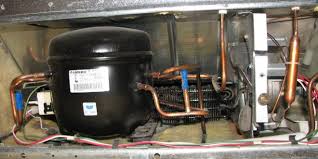
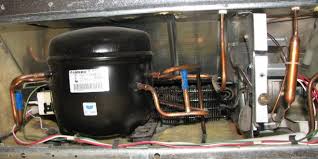
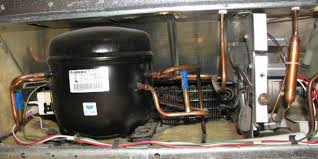
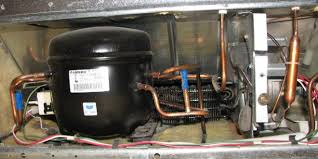
Condenser coils release heat from the fridge. When they are covered in dust, grease, and lint, the fridge cannot cool efficiently. The compressor keeps running to compensate, which raises your electricity use and shortens the appliance’s life.
In dusty areas like Kitengela, Athi River, Mlolongo, Githurai, Utawala, and Kasarani, coils can get dirty quickly. If the fridge is near a busy road, construction area, or open window, dust builds up even faster.
Unplug the fridge before cleaning. Pull it away from the wall. If the coils are at the back, use a soft brush or vacuum to remove dust. If the coils are underneath, remove the lower front panel and clean carefully around the fan area.
Do this every few months if your area is dusty. For cleaner homes or apartments, twice a year may be enough.
You may be surprised by how much quieter and more efficient the fridge becomes after a proper cleaning.
Check the Door Seal Regularly
Cold air is expensive to make. The door seal keeps it inside.
The rubber gasket around the fridge door should grip firmly when the door closes. If it is loose, cracked, dirty, or stiff, warm air leaks in. The fridge then runs longer to maintain the right temperature.
A weak seal can increase your power use and put extra strain on the compressor. It can also cause condensation, frost buildup, and food that does not stay cold enough.
You can test the seal easily. Close the fridge door on a piece of paper or a small note. Pull it gently. If it slides out with no resistance, that part of the seal is weak.
Clean the gasket once a month using warm water, mild dish soap, and a soft cloth or old toothbrush. Pay attention to the folds, especially at the bottom where crumbs and spills collect. Avoid bleach and harsh cleaners because they can damage the rubber.
In coastal areas like Mombasa, Diani, Malindi, and Kilifi, seals may wear faster because of humidity and salt air. In dusty areas, dirt can also weaken the seal over time.
If the gasket is cracked or no longer grips, replacing it is much cheaper than replacing a compressor.
Protect Your Fridge From Power Fluctuations
Power issues are one of the biggest causes of fridge damage in Kenya.
Blackouts, brownouts, flickering power, and sudden surges can damage the compressor, relay, overload protector, or control board. A fridge is especially vulnerable when power goes off and comes back quickly. The compressor may try to restart before the pressure in the system has settled, which can strain or damage it.
A fridge guard or voltage protector is a simple but important investment. It delays restart after power returns and helps protect the appliance from unstable voltage.
If you live in an area where power flickers often, this should not be optional. It can save you from a major repair.
Also avoid using weak extension cables. A fridge should ideally be plugged directly into a wall socket. If you must use an extension, make sure it is heavy-duty and rated for appliances. Thin extensions meant for phone chargers or small electronics can overheat or cause voltage drops.
In rentals where sockets are limited, this is a common but risky shortcut.
Use the Fridge in a Way That Helps It Last
Daily habits affect fridge life more than many people realize.
Do not put hot sufurias or freshly cooked food straight into the fridge. Hot food raises the internal temperature and releases steam, forcing the compressor to work harder. Let food cool first before storing it.
Do not overload the fridge. Air needs space to circulate. If vents are blocked by containers, vegetables, bottles, or plastic bags, one section may get too cold while another stays warm. The compressor then keeps running because the fridge cannot stabilize properly.
Avoid keeping the door open while deciding what to eat or cook. In Kenya’s heat, cold air escapes quickly. Open the door, take what you need, and close it.
Also defrost manual fridges before ice becomes too thick. Thick ice reduces efficiency. Let the ice melt naturally. Do not use a knife or screwdriver to chip it away because you may puncture the cooling lines and create a costly refrigerant leak.
Small habits may look harmless, but repeated daily, they decide how long the fridge lasts.
Watch for Water, Frost, and Smells
Your fridge often gives early warning signs before a major breakdown.
Water under the crisper drawers usually means the defrost drain is blocked. The drain carries water from the defrost cycle to a pan underneath the fridge. When it blocks, water collects inside, freezes, or leaks onto the floor.
Keep the drain hole clear if your model has one inside the fridge section. If it keeps blocking, have a technician check it.
Frost buildup in a frost-free fridge is another warning sign. It may mean the door seal is leaking, vents are blocked, or the defrost system is failing.
Bad smells also matter. A musty smell may point to mold from moisture entering through a bad seal. A chemical smell, especially when cooling is poor, could suggest a refrigerant leak. If you notice that, switch the fridge off and call a technician.
Do not wait until the fridge is completely warm before acting.
Know When to Call a Technician
There are things you can safely do yourself: clean coils, wipe seals, check the socket, clear vents, adjust the thermostat, and defrost manually.
But some problems need a trained technician.
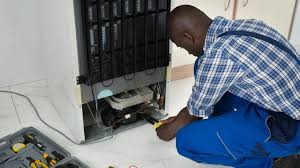
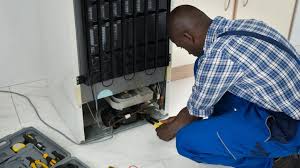
Call someone if the fridge runs nonstop but does not cool, makes repeated clicking sounds, trips power, leaks repeatedly, smells chemical, forms heavy frost, or stops cooling after a blackout.
The earlier you call, the cheaper the repair may be. A relay or fan replacement costs much less than a compressor. A blocked drain is easier to fix than water damage or airflow failure. A weak seal is cheaper than the damage caused by months of overworking the compressor.
A good technician should test before guessing. They should check the power supply, relay, thermostat, fan, compressor behavior, coils, drainage, and refrigerant system before recommending a major repair.
This is where The Real Plug can help. The platform makes it easier to find vetted fridge repair professionals by location and service type. You can compare technicians, check reviews, and choose someone who understands local issues like dust, power fluctuations, hard use, and coastal humidity.
Create a Simple Maintenance Routine
Fridge maintenance does not need to be complicated. The best routine is one you can actually remember.
When you buy tokens, glance behind the fridge and check whether the coils are due for cleaning. When you do monthly shopping, wipe the door seal and test it with paper. When you pay rent, listen to the compressor. Is it running normally, or does it seem to be on all the time?
If you run a small shop, butchery, café, restaurant, or Airbnb, schedule proper fridge servicing every few months. For businesses, a fridge failure is not just an inconvenience. It can mean spoiled stock, lost customers, refunds, or bad reviews.
For homes that store bulk meat, breast milk, medication, or food for a large family, maintenance is also important. A service visit can prevent a more expensive emergency later.
Your Fridge Can Last Longer With Basic Care
A fridge is not a magic box. It is a machine with a compressor, refrigerant system, fans, seals, drains, wiring, and sensors. In Kenya, it has to deal with dust, heat, power changes, and constant use.
If you ignore it, it will eventually fail. If you maintain it, it can serve you for many years.
Give it space. Clean the coils. Protect it from power surges. Keep the seal tight. Avoid overloading it. Pay attention to strange sounds, water, frost, and smells. And when something feels beyond a basic check, call a technician who explains, tests, and stands by their work.
Cold food, lower power bills, and fewer emergency repairs are not luck. They are the result of simple habits done consistently.