

Renting a house in Kenya often feels like a race. You view a place in the morning, someone else is asking about it by afternoon, and the caretaker is already telling you, “Ukiipenda, lipa deposit mapema.” Whether it is a bedsitter in Kahawa West, a one-bedroom in Rongai, a two-bedroom in Nakuru, or an apartment in Nyali, most tenants focus on rent, water supply, security, transport, and the condition of the tiles.
But there is one question many people remember too late: was the house properly fumigated?
A house can look clean during viewing and still have bedbugs hiding in cracks, cockroaches behind kitchen cabinets, rats in the ceiling, or fleas left behind by a previous tenant’s pets. Fresh paint can hide stains. A swept floor can create the impression of cleanliness. A slight chemical smell can make you think fumigation was done, even when someone only sprayed a few corners.
Knowing how to check if a house was properly fumigated before renting can save you from stress, extra costs, damaged belongings, and sleepless nights. This is especially important in busy rental areas where tenants move in and out quickly, and landlords may not always do deep pest control between occupants.
Why Proper Fumigation Matters Before Renting
Pest problems are easier to prevent than to solve after you move in. Once your mattress, clothes, sofa, food, electronics, and bedding are inside the house, fumigation becomes more complicated. You may need to pack everything again, wash clothes, cover utensils, and stay away from the house for several hours or overnight.
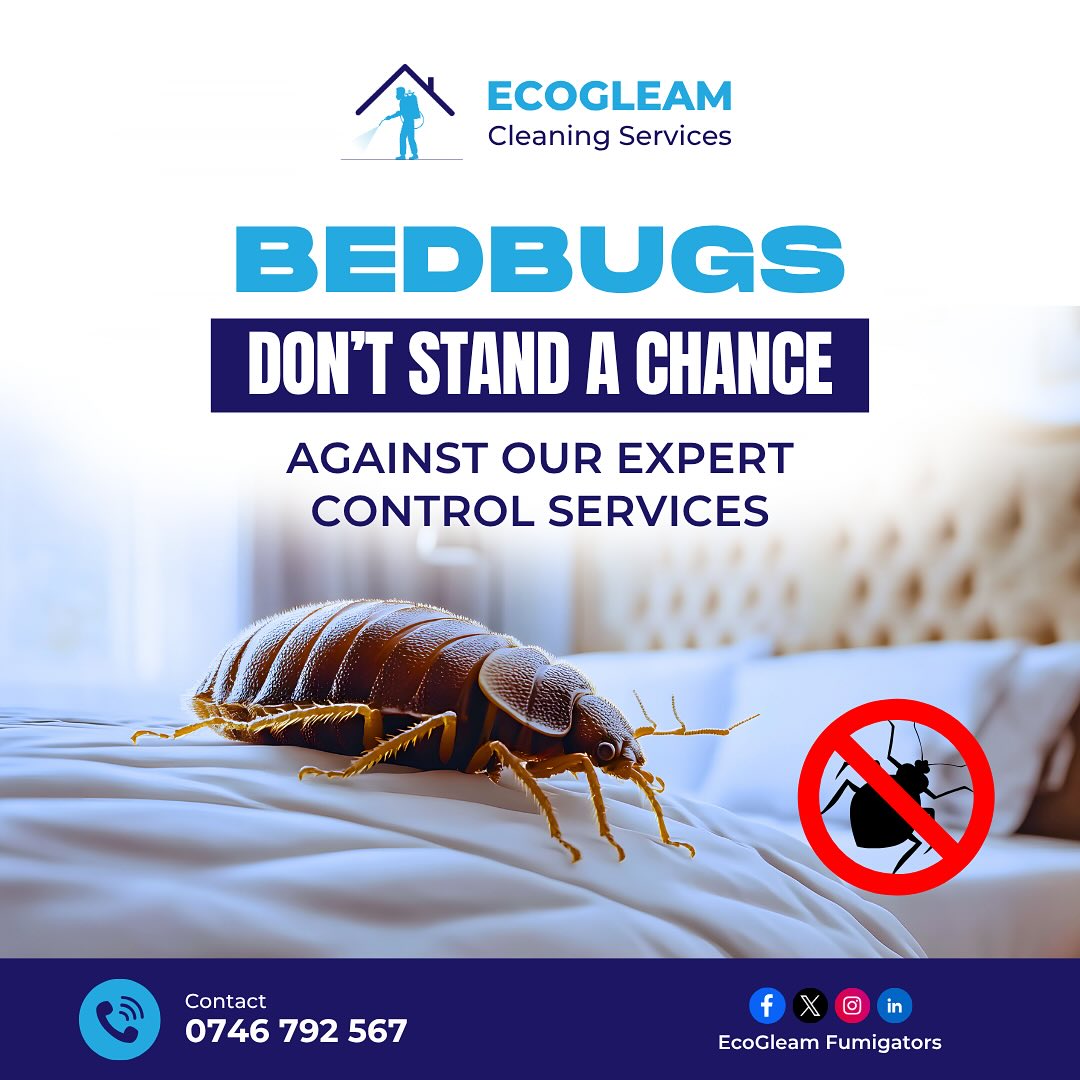
Bedbugs are one of the biggest concerns for tenants. They do not always appear during a short house viewing. They hide in wall cracks, skirting boards, curtain boxes, sockets, wooden joints, and old furniture. A tenant may move in with a clean mattress and only start noticing bites after a few days or weeks.
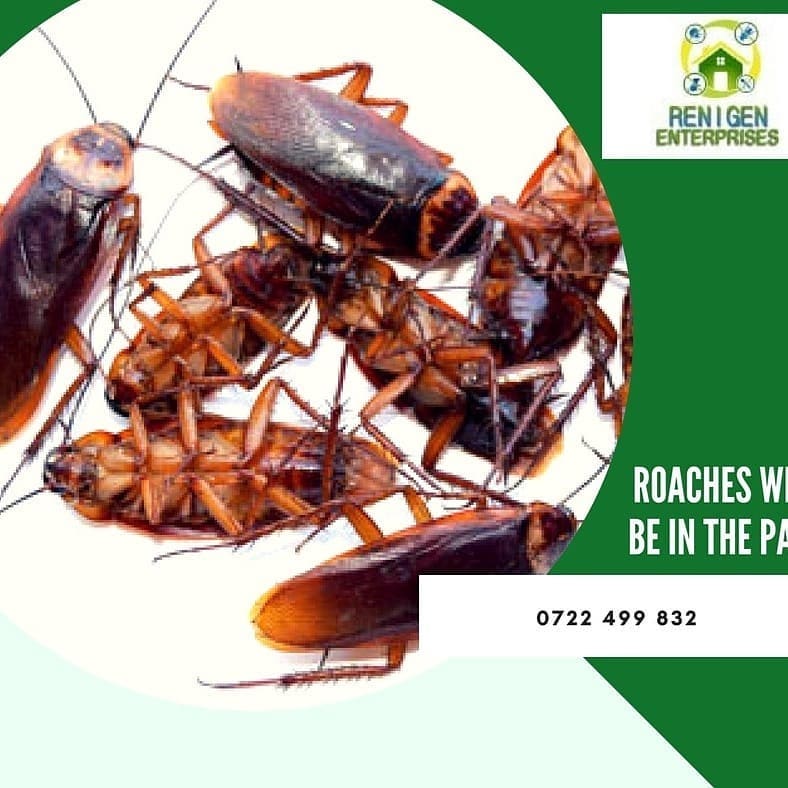
Cockroaches are another common problem, especially in apartments, old buildings, shared blocks, and houses with poor drainage or waste handling. They hide in dark, warm areas such as kitchen cabinets, drains, behind fridges, under sinks, and wall gaps. Even if the previous tenant left, cockroach eggs may still be waiting to hatch.
Rats, mice, mosquitoes, fleas, termites, and ants can also create problems depending on the area and condition of the building. In coastal towns, humid areas, and older houses with wooden fittings, termites and mould may also need attention.
Proper fumigation protects your health and comfort. Cockroach droppings can trigger allergies and asthma. Rats can contaminate food and damage wiring. Bedbug bites can affect sleep and mental peace. For families with children, elderly people, or people with respiratory issues, moving into an infested house can become more than a small inconvenience.
What Proper Fumigation Should Involve
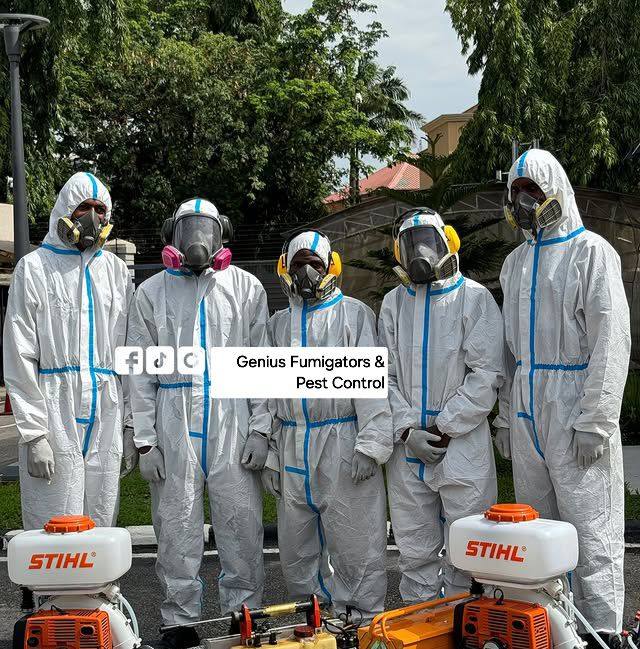
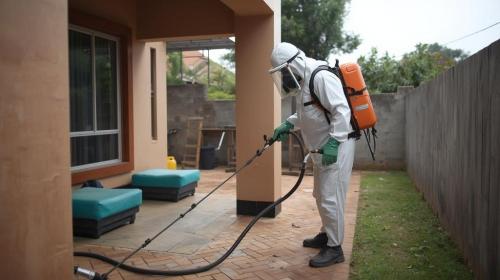
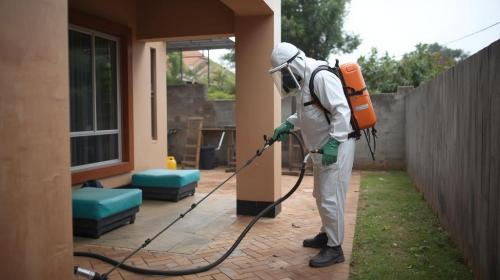
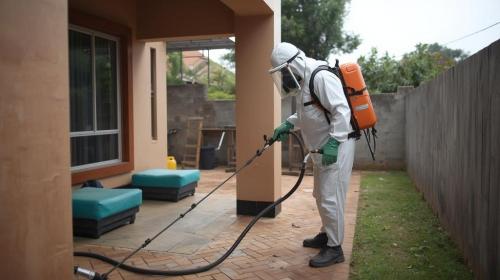
To know whether fumigation was done well, you first need to understand what a serious pest control process looks like. Proper fumigation is not just walking around with a sprayer and creating a strong chemical smell.
Inspection before treatment
A professional pest control provider should inspect the house before treatment. They check for signs of pests, hiding places, droppings, egg cases, entry points, damp areas, cracks, drains, ceilings, wardrobes, and kitchen cabinets. Different pests require different methods, so inspection matters.
For example, bedbug treatment is not the same as cockroach treatment. Rodent control requires baiting, sealing advice, and entry point checks. Termite treatment may need a more specialized approach. If the landlord or caretaker cannot explain what pest problem was being treated, the fumigation may have been too general.
Use of the right method
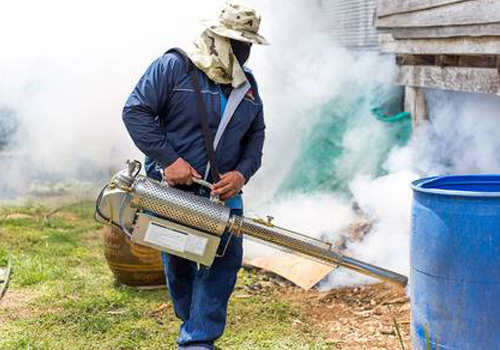
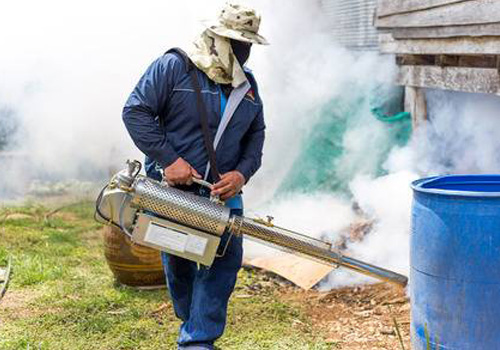
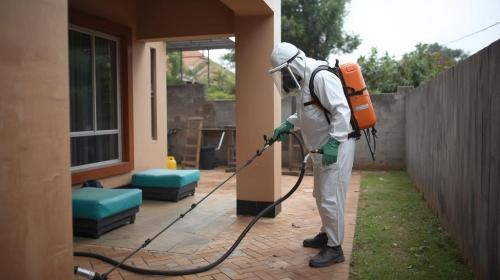
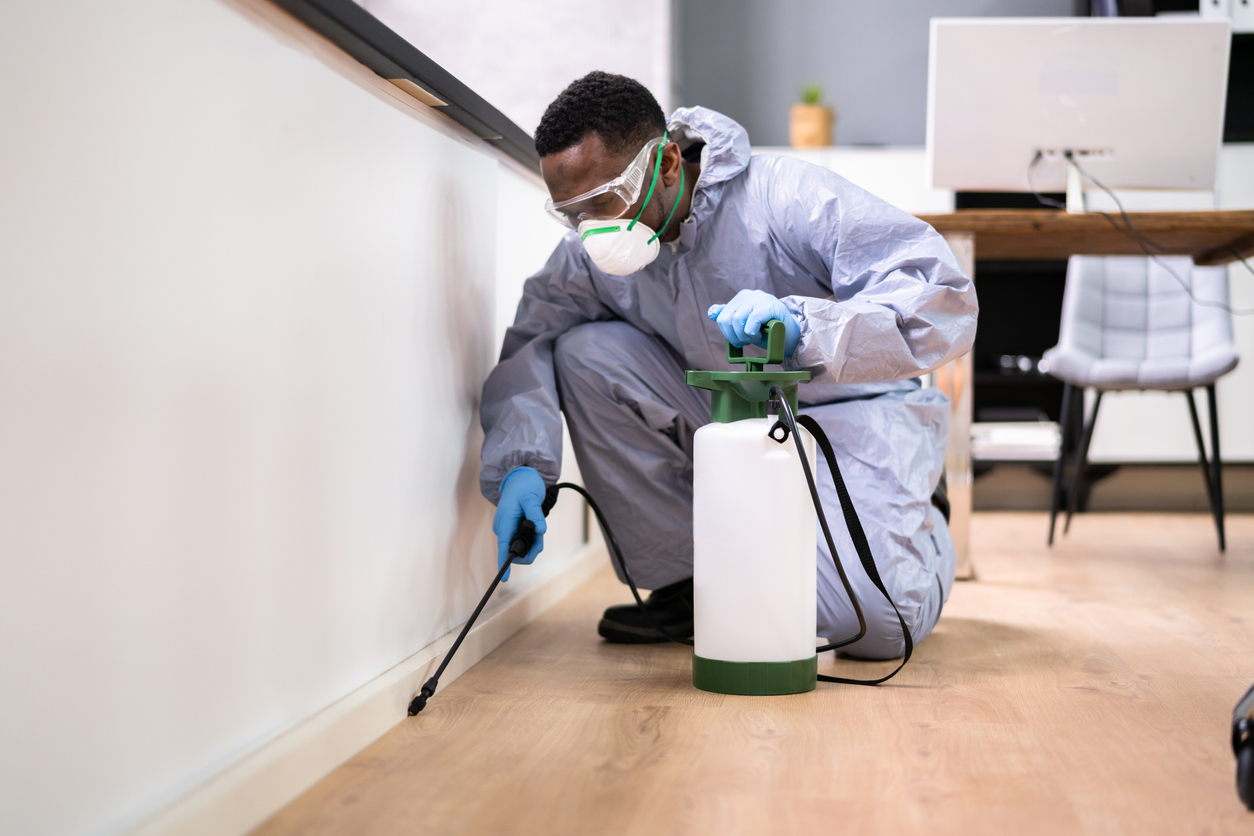
Professional fumigation may involve spraying, gel baiting, dusting, fogging, bait stations, or other pest-specific methods. The method depends on the pest, house size, level of infestation, and safety needs.
For cockroaches, gel bait may be used in kitchens and hidden areas. For bedbugs, treatment should target cracks, skirting, bed areas, sockets, wall gaps, and other hiding spots. For rodents, spraying alone will not help. For termites, simple surface spraying may not solve a deeper problem.
A house that was only sprayed around the door and kitchen floor may not have been treated properly.
Treatment of hidden areas
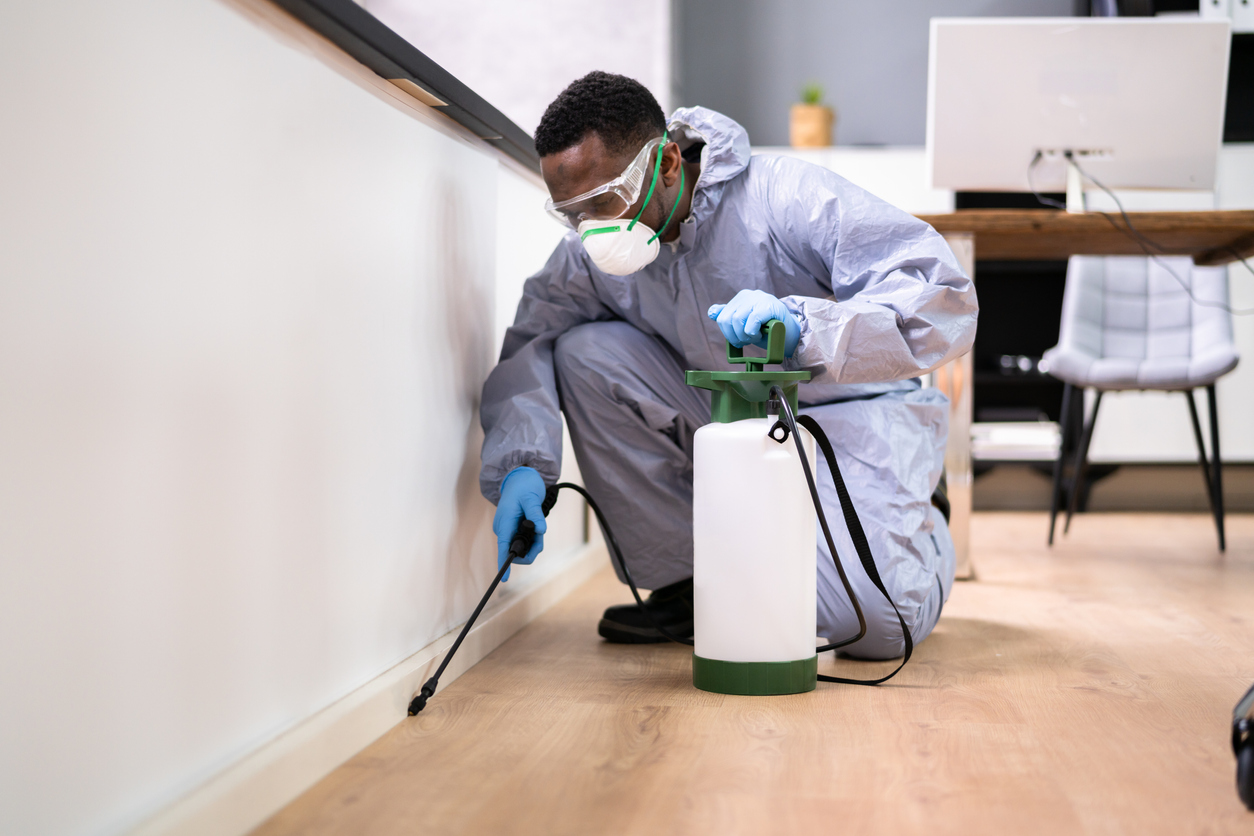
Pests rarely stay in open spaces. Proper fumigation should reach the places where pests hide. These include kitchen cabinets, under sinks, bathroom drains, wall cracks, sockets, ceiling spaces, wardrobes, skirting boards, curtain boxes, and corners.
In flats and shared compounds, common areas may also matter. Cockroaches and rodents can move through drains, garbage points, staircases, ducts, and shared walls. If only one unit is treated while the rest of the block has a serious infestation, pests may return.
Clear safety instructions
A serious fumigation provider should give clear instructions on when the house can be entered again, how long to ventilate, what to clean, and what not to touch immediately. Depending on the treatment used, re-entry may take several hours or longer.
If a caretaker says the house was sprayed in the morning and you can move in immediately without any safety guidance, ask more questions. Either the treatment was very light or the process was not handled professionally.
Proof of service
Professional pest control companies often provide a receipt, service report, job card, or treatment note. This may show the date, pest treated, areas covered, chemicals used, and follow-up recommendation.
Not every small residential job comes with a formal certificate, but there should at least be some record. A landlord who paid for proper fumigation should be able to tell you who did the work and when it was done.
Signs a House May Have Been Properly Fumigated
You do not need to be a pest expert to notice useful signs during viewing. A few checks can help you decide whether to trust what you are being told.
The landlord gives specific details
A genuine answer sounds specific. For example, “The house was treated last week by a pest control company for cockroaches and bedbugs, and they advised us to keep it closed for six hours.” That is more convincing than “Iliwekwa dawa.”
Ask when the fumigation was done, who did it, what pests were targeted, and whether there is a receipt or report. A serious landlord or agent should not be offended by these questions.
The house was treated while empty
Fumigation works best before a new tenant moves in. If the house was treated after the previous tenant left and before viewing, that is a good sign. It means the provider had better access to hidden areas and there was less risk of contaminating belongings.
You see evidence of careful treatment
You may notice faint treatment marks in corners, around skirting, or near hidden pest areas. You may also see dead insects near drains, under cabinets, or along wall edges. This can suggest that treatment reached pest hiding areas.
However, do not rely on smell alone. A strong chemical smell does not always mean the job was done well. Some people use harsh or poorly mixed chemicals to create the impression of serious fumigation without proper pest control.
The house is clean and ventilated
A properly treated house should be ventilated before occupation. The compound should also show basic cleanliness. If the house is fumigated but the garbage area is overflowing, drains are blocked, and the compound has stagnant water, pests may return quickly.
Red Flags That Fumigation Was Poorly Done or Skipped
Some warning signs should make you slow down before paying rent or deposit.
One red flag is seeing live cockroaches during the day. Cockroaches usually hide when disturbed, so seeing them openly in cabinets, bathrooms, or kitchen areas may suggest a heavy infestation.
Another warning sign is fresh paint covering suspicious areas. Painting between tenants is normal, but fresh paint can also hide bedbug stains, mould patches, or pest marks. Look carefully at skirting boards, corners, sockets, and wooden areas.
A caretaker who avoids direct answers is also a concern. If you ask when fumigation was done and they only say, “Hapa hakuna shida,” without details, do not treat that as proof.
A strong smell without documentation can also be misleading. Someone may have sprayed ordinary insecticide shortly before viewing to create a temporary impression. If pests are hidden deeper, they may return after a few days.
Also be careful with houses that have been vacant for a long time but show no evidence of cleaning, ventilation, or pest control. Empty houses can attract spiders, rodents, mosquitoes, dust mites, and other pests, especially when doors, windows, ceilings, or drains are not well sealed.
Questions to Ask Before Renting
You do not need to sound confrontational. Ask simple, practical questions and listen carefully to the answers.
Ask when the house was last fumigated. A specific answer is better than a vague one. Ask whether it was done by a professional company or by the caretaker. Ask what pests were treated, especially if the house is in an area known for bedbugs, cockroaches, or rodents.
You can also ask whether the previous tenant reported any pest problem. A honest landlord may admit there was an issue and explain how it was handled. That is better than someone who denies everything while you can see signs of pests.
Ask whether the whole plot or only the unit was treated. In apartment blocks, pests can move between units. If only your house was treated but neighbouring units are infested, the problem may return.
Ask for proof where possible. A receipt, message from the fumigation company, service report, or caretaker record can help. If none exists, you may still rent the house, but you should inspect more carefully and consider doing your own fumigation before moving in.
If you are unsure about the condition of the house, you can consult a pest control professional before committing. Platforms such as The Real Plug help users find vetted professionals, service providers, and businesses in Kenya, including providers who can inspect or fumigate a rental house before you move in.
Areas to Inspect During House Viewing
Take your time during viewing. Do not only look at the sitting room and tiles. Pests hide in quiet places, so inspect carefully.
In the kitchen, open cabinets and drawers. Check under the sink, behind pipes, near drains, and around corners. Look for droppings, egg cases, dead insects, stains, or strange smells.
In bedrooms, check skirting boards, wardrobes, sockets, curtain boxes, wall cracks, and any wooden fittings. If the house is semi-furnished, inspect mattresses, bed frames, sofas, and cushions carefully.
In the bathroom, look around drains, behind the toilet, under the sink, and near damp corners. Cockroaches and other pests often use wet areas.
For ceilings, listen for movement and check for droppings or gaps where rodents may enter. In ground-floor units or maisonettes, check stores, garages, outdoor drains, and compound corners.
Outside the house, inspect garbage areas, stagnant water, bushes, broken drains, and shared corridors. A clean unit in a neglected compound can still develop pest problems.
What to Do If You Suspect the House Was Not Properly Fumigated
If you like the house but suspect fumigation was skipped or poorly done, you have several options.
First, negotiate before paying the full deposit. Ask the landlord to arrange professional fumigation before move-in. This is easiest when the house is still empty and the landlord wants to close the deal.
Second, ask to split the cost. Some landlords may not want to pay the full amount but may agree to share. Put the agreement in writing through a message or lease note.
Third, pay for your own fumigation if the house is otherwise worth it. This may be practical if the rent is fair, the location is good, and you plan to stay long term. Keep the receipt and service report so you have proof of treatment.
Fourth, walk away if the risk is too high. If you see live bedbugs, heavy cockroach activity, rat droppings, termite damage, or a landlord who refuses to discuss pest control, moving in may cost you more later.
A good house should not start your tenancy with fear and uncertainty. If pest issues are obvious before you move in, they are unlikely to become easier after you unpack.
How to Protect Yourself After Moving In
Even if the house was properly fumigated, pests can return if the environment allows them. Keep food sealed, remove rubbish regularly, wipe kitchen surfaces, fix leaks, and avoid leaving dirty dishes overnight.
Seal cracks where possible and report gaps, broken tiles, leaking pipes, or damaged drains to the landlord. Pests need food, water, and hiding places. Removing these makes your house less attractive to them.
Be careful with second-hand furniture. Many bedbug infestations start with used mattresses, sofas, beds, and wooden items. Inspect them carefully before bringing them into your house. If unsure, treat them first.
If you notice pests within the first few weeks, report immediately. Take photos, keep messages, and ask for action before the problem spreads. If the issue affects several units, talk to neighbours or the caretaker about joint fumigation.
When choosing pest control support, compare providers carefully. The Real Plug can be useful when looking for reviewed and vetted fumigation professionals in Kenya, especially if you are new to an area and do not know who to trust.
Final Thoughts
Knowing whether a house was properly fumigated before renting is part of smart house hunting in Kenya. Tiles, paint, water pressure, and security matter, but pest control matters too. A beautiful house can become stressful if bedbugs, cockroaches, rats, or termites are already hiding inside.
Ask direct questions, inspect hidden areas, request proof where possible, and do not ignore warning signs. A landlord who takes fumigation seriously is often more likely to handle other maintenance issues responsibly as well.
Before you pay rent and move in, take time to confirm that the house is not carrying pest problems from the previous tenant. It is better to delay moving by a day or two than to spend months fighting an infestation. A properly fumigated house gives you a cleaner, safer, and more peaceful start.