

Bedbugs are the kind of problem that can make a tenant regret moving into a house that looked perfect during viewing. The rent was fair, the tiles were clean, the caretaker sounded friendly, and the location was close to the stage. Then, after a few nights, the bites start. At first, you blame mosquitoes. A week later, you spot tiny black marks on the bedsheet or see one small insect crawling near the mattress seam. That is when it hits you: hii mambo ya kunguni has entered the house.
In many Kenyan apartments and rental blocks, bedbugs do not stay in one unit for long. A single infested bedsitter in Pipeline, Githurai, Roysambu, Utawala, or Ruiru can quickly become a whole-block issue if it is not handled early. Tenants start whispering in the staircase, the estate WhatsApp group becomes active, and before long, people are asking whether the landlord will fumigate or everyone must pay for their own unit.
Bedbugs in apartments Kenya tenants live in spread fast because of how rental blocks are built, how often people move, how furniture is shared or resold, and how many people try quick fixes before calling a professional. The problem is not always about poor hygiene. You can find bedbugs in a clean bedsitter, a student hostel, a family apartment, or even a furnished Airbnb. What matters most is how quickly the issue is noticed and how properly it is treated.
Why Apartments Make It Easy for Bedbugs to Spread
Apartments and rental blocks are convenient because they allow many people to live close to shops, schools, transport, and work. But that same closeness gives bedbugs a big advantage. In a block of flats, one wall may separate your bedroom from your neighbor’s bedroom. Pipes, sockets, ceiling spaces, cracks, and skirting gaps can connect units in ways tenants rarely think about.
Bedbugs are small, flat, and patient. They do not fly or jump, but they crawl and hide very well. A tiny crack near the socket, a loose tile edge, or a gap between the wall and floor is enough for them to move. During the day, they hide in dark places. At night, they come out to feed, usually when someone is sleeping.
This is why many tenants notice the problem late. By the time you see black stains on bedding, small blood spots, shed skins, or repeated bites, the bedbugs may have been hiding for weeks. In that time, they may have laid eggs and moved into furniture, curtains, wall cracks, and nearby units.
In a rental block, one person’s bedbug problem can easily become everyone’s problem. As people say kwa ground, kunguni hawajui door number. They do not care which tenant paid rent first or who keeps their house cleaner.
Shared Walls, Ceilings, and Sockets Create Hidden Routes
Many Kenyan rental buildings have shared structural spaces that pests can use. This is especially common in older flats, crowded plots, student hostels, and buildings where finishing was done quickly. A small gap around plumbing, ceiling boards, or electrical conduits can become a hidden pathway.
If a tenant sprays their room using cheap insecticide, some bedbugs may die, but others may run deeper into the structure. They can move into the next unit, hide for a few days, then return when the chemical smell reduces. This is one reason DIY spraying can make the problem worse in apartments.
In areas with many bedsitters and single rooms, such as Pipeline, Zimmerman, Githurai, Kahawa West, Kasarani, and parts of Umoja, the rooms are often close together. Some share ceilings, common corridors, balconies, bathrooms, or laundry areas. Once bedbugs get into such a setup, treating one room alone may only give temporary relief.
Newer apartments are not fully safe either. A clean-looking block in Syokimau, Kilimani, Ruaka, or Thindigua can still develop bedbugs if tenants bring in infested furniture or visitors carry them in through luggage and clothes. Bedbugs are not impressed by rent amount or estate name. If they find a hiding place and a sleeping person nearby, they settle.
Frequent House Moving Helps Bedbugs Travel
Kenyans move houses for many reasons. Rent increases, job transfers, school changes, new relationships, family growth, noisy neighbors, water issues, or simply wanting to live closer to town. Every move creates a chance for bedbugs to travel from one house to another.
They hide in mattresses, bed frames, sofas, curtains, backpacks, suitcases, duvets, shoes, and folded clothes. A tenant may leave an infested flat in Kayole and move to Kinoo without knowing that a few bedbugs are hiding in the mattress seam. Within a few weeks, the new house starts having bites.
Second-hand furniture is another common route. Many people buy used beds, sofas, wardrobes, and mattresses from online sellers, friends, or local markets because new furniture can be expensive. There is nothing wrong with saving money, but used furniture needs careful inspection. A sofa that looks clean from outside can have bedbugs deep in the fabric folds or wooden frame.
Before bringing second-hand furniture into your house, inspect it outside in daylight. Check seams, joints, screw holes, wooden cracks, and dark corners. If possible, have it cleaned, treated, or exposed to proper heat before moving it inside. Do not assume that because the seller says “iko sawa” everything is fine.
Visitors, Fundis, and Shared Spaces Can Also Carry Bedbugs
Bedbugs do not only move through furniture. They can also hitchhike through people’s belongings. A visitor who slept in an infested house may carry a few in a bag or jacket. A suitcase placed on an infested bed can pick up eggs or insects. A mama fua, fundi, mover, or technician who moves between houses may unknowingly transfer pests through bags, blankets, tools, or clothing.
This does not mean you should become suspicious of everyone who enters your home. It simply means you should be careful with where bags and items are placed. Avoid putting visitors’ luggage directly on beds. If you travel and sleep in guest rooms, hostels, hotels, or relatives’ houses, inspect your bags and clothes before unpacking at home.
Common areas also matter. In many rental blocks, tenants share laundry lines, staircases, corridors, water points, and garbage areas. If someone leaves an infested mattress in the corridor, bedbugs can crawl out and enter nearby rooms. If infested bedding is shaken from a balcony, pests may fall onto clothes hanging below. This is how a small issue turns into a plot-wide headache.
Why Cheap Sprays and Quick Fixes Often Fail
When tenants first notice bedbugs, many rush to buy dawa from the shop, supermarket, or agrovet. It feels cheaper than calling a fumigation company, especially when money is tight. A KSh 300 spray looks like a simple solution compared to paying several thousand shillings for professional treatment.
The problem is that many sprays only kill bedbugs on contact. They may not reach eggs, hidden insects, or deep cracks. Bedbug eggs can hatch later, and the bites return. This is why someone can spray every week and still complain that the room iko wagan.
Some people pour hot water on the bed frame, leave the mattress in the sun, or iron mattress seams. These methods can help in mild cases, but they rarely solve a serious infestation. Bedbugs hide deep in places where heat or spray may not reach properly. The surface of a mattress may get hot, while the inside remains safe enough for them to survive.
The biggest mistake is treating one unit when the whole block has a problem. If your bedsitter is fumigated but the neighboring rooms are not, bedbugs may return through cracks, sockets, or shared spaces. In apartments, bedbug control works best when affected units are handled together.
The Real Cost of Waiting Too Long
Ignoring bedbugs can become expensive. Some tenants throw away mattresses, sofas, clothes, curtains, and bed frames out of frustration. Unfortunately, throwing away furniture does not always solve the issue. If bedbugs are hiding in wall cracks, sockets, skirting boards, or nearby units, new furniture can still get infested.
There is also the cost of repeated failed treatments. Buying sprays every week may look cheap, but after two or three months, you may have spent enough to pay for proper fumigation. Add sleepless nights, irritated skin, stress, and embarrassment when visitors come over, and the problem becomes bigger than money.
Landlords also suffer. Once tenants start saying a block has bedbugs, the reputation spreads quickly. In Kenya, news travels fast through WhatsApp groups, estate gossip, Facebook groups, and word of mouth. A plot known for bedbugs can struggle to attract serious tenants. Vacant houses, rent discounts, and frequent complaints may cost more than early professional fumigation.
For student hostels, bedsitter blocks, furnished apartments, and short-stay rentals, bedbugs can damage trust badly. Nobody wants to pay rent or accommodation fees only to spend the night scratching.
Signs of Bedbugs in an Apartment
The earlier you identify bedbugs, the easier they are to control. Bites are one sign, but they are not enough on their own because mosquitoes, fleas, and other insects can also bite. Look for physical evidence.
Check the mattress seams, bed frame joints, headboard, wall near the bed, curtain folds, sockets, and wooden furniture. Tiny black spots may be droppings. Small blood marks on sheets may appear after feeding. You may also see shed skins, eggs, or live insects hiding in corners.
Bedbugs are usually more active at night, so you may need to inspect with a flashlight. If you wake up with repeated bites and notice marks on your bedding, do not wait until the problem spreads. Report it early, especially if you live in a block where neighbors may also be affected.
What Tenants Should Do Before Moving In
Before renting an apartment or bedsitter, inspect more than the tiles, paint, water pressure, and sockets. Check for pest signs too. Look along the skirting boards, inside wardrobes, behind curtains, around the bed area, and in cracks near sockets. If the house is furnished, inspect the mattress, sofa, and bed frame carefully.
Ask the caretaker or agent whether the block has had bedbug complaints. Some may avoid the truth, but asking still helps. Where possible, talk to a neighbor casually. Tenants already living there often know the real situation kwa ground.
If you find signs of bedbugs before moving in, ask the landlord to fumigate before you bring your items. Take photos and keep messages in writing. Once your belongings are inside, it becomes harder to prove whether the infestation was already there or came with you.
What Landlords and Caretakers Should Do
Landlords should not dismiss bedbug complaints as tenant drama. One report can be the first warning sign of a wider issue. If a tenant complains, inspect the unit and nearby rooms. Waiting until five tenants complain may make the treatment more expensive and harder to manage.
Caretakers should also control what happens in shared areas. Old mattresses, broken sofas, and abandoned bedding should not sit in corridors for days. Shared stores should be kept clean and inspected. Cracks, loose skirting boards, damaged sockets, and ceiling gaps should be repaired where possible.
For rental blocks with repeated infestations, block fumigation may be more effective than treating one unit at a time. This is especially important in bedsitter blocks, hostels, and apartments with connected rooms. The landlord may pay, tenants may share the cost, or the cost may be included in service charges depending on the agreement. Whatever the arrangement, coordination is key.
Choosing the Right Bedbug Control Provider
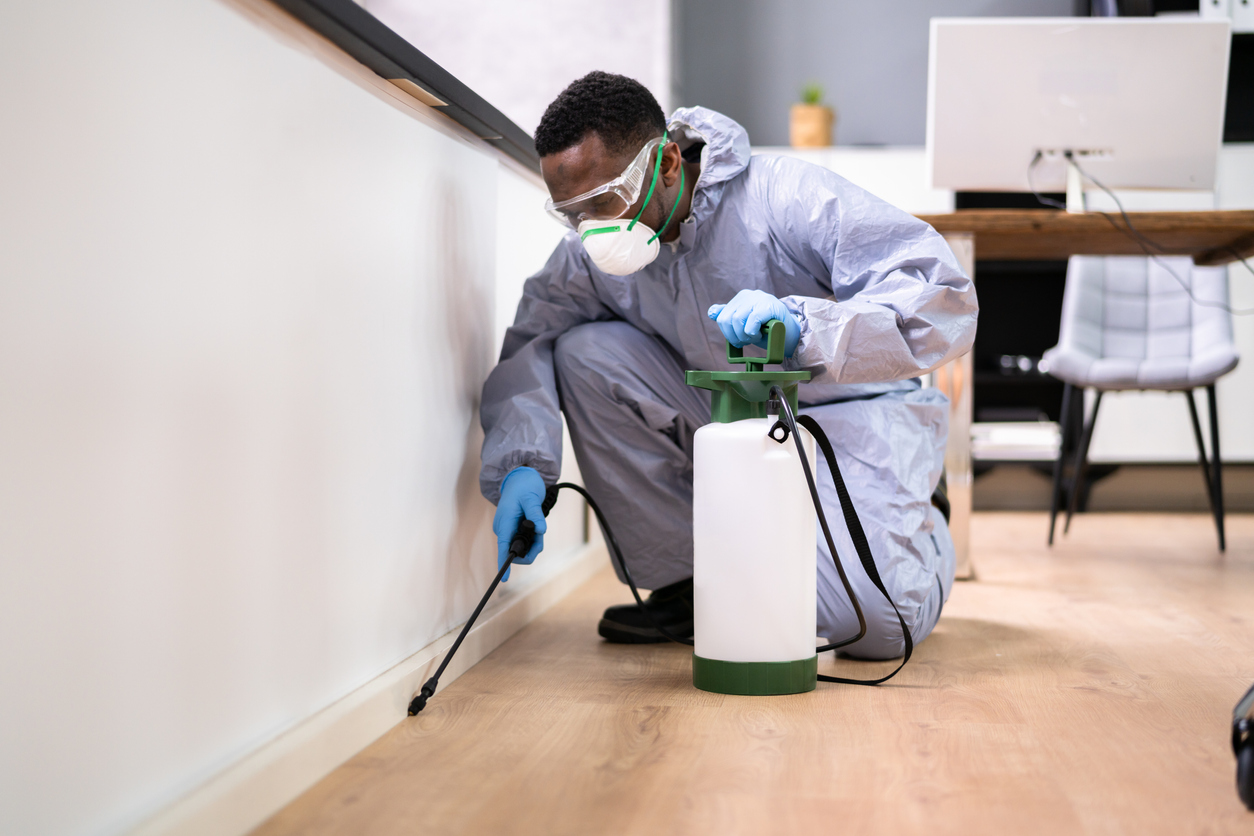
Bedbug control requires more than spraying visible insects. A reliable provider should inspect the house, explain the treatment method, give safety instructions, and advise whether follow-up is needed. In many cases, a second visit may be necessary because eggs can hatch after the first treatment.
Avoid providers who promise miracles without inspecting the house or explaining what they will do. Be cautious with someone who only says they have “strong dawa” but cannot explain safety precautions, re-entry time, preparation steps, or follow-up. Professional fumigation should be safe, targeted, and clear.
If you do not know where to start, platforms such as The Real Plug can help users find vetted pest control professionals, service providers, and businesses in Kenya. This is useful when comparing providers, checking reviews, and avoiding quacks who spray once and disappear.
If Your Block Already Has Bedbugs
If several units are affected, do not handle it quietly alone. Speak to your neighbors, caretaker, or landlord. Bedbugs spread faster when people hide the problem out of embarrassment. Remember, bedbugs are not proof that someone is dirty. They can enter any home through luggage, furniture, clothing, or visitors.
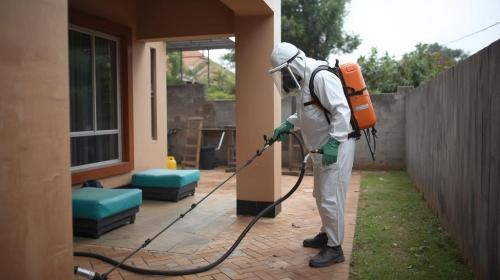
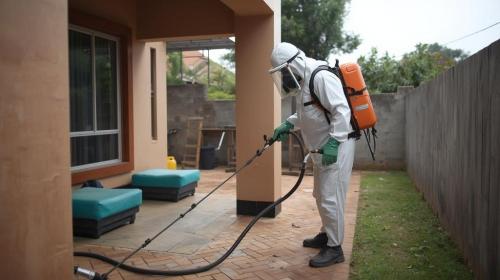
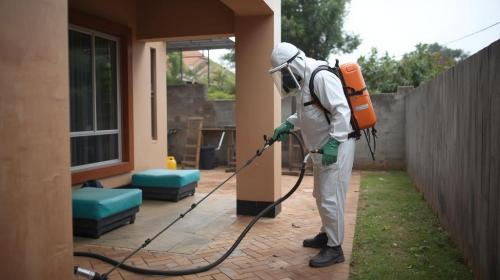
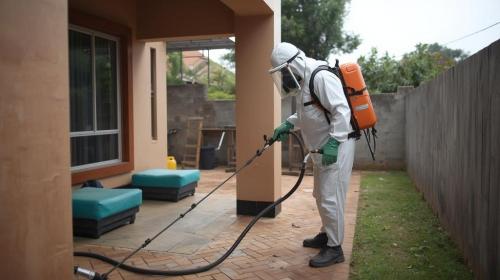
Ask for coordinated fumigation. A professional should inspect affected units, nearby units, and common areas. Tenants should prepare their rooms properly by washing bedding, reducing clutter, moving furniture from walls, sealing clothes in bags, and following safety instructions.
After treatment, avoid mopping treated areas immediately unless the provider says it is safe. Ventilate the room properly before sleeping there. Seal cracks where possible, avoid storing items in corridors, and be careful when bringing in used furniture.
Final Thoughts
Bedbugs spread fast in Kenyan apartments because tenants live close together, share walls and spaces, move houses often, and sometimes rely on quick fixes that do not reach the root of the problem. They are not only found in crowded plots or low-cost rooms. They can appear in clean apartments, furnished units, hostels, and high-end flats too.
The best defence is early action. Inspect before moving in. Be careful with second-hand furniture. Report signs quickly. Avoid random chemical use. And when the problem affects more than one unit, push for coordinated treatment instead of fighting bedbugs alone.
In a rental block, bedbugs are not just your problem or your neighbor’s problem. They are a shared problem. The faster tenants, landlords, caretakers, and professionals work together, the easier it is to restore comfort and stop kunguni from taking over the whole plot.