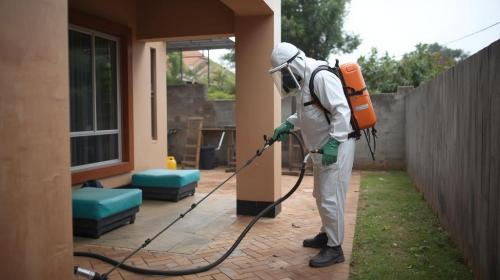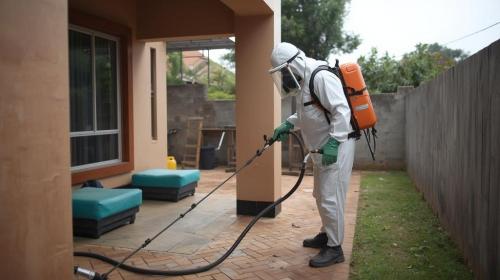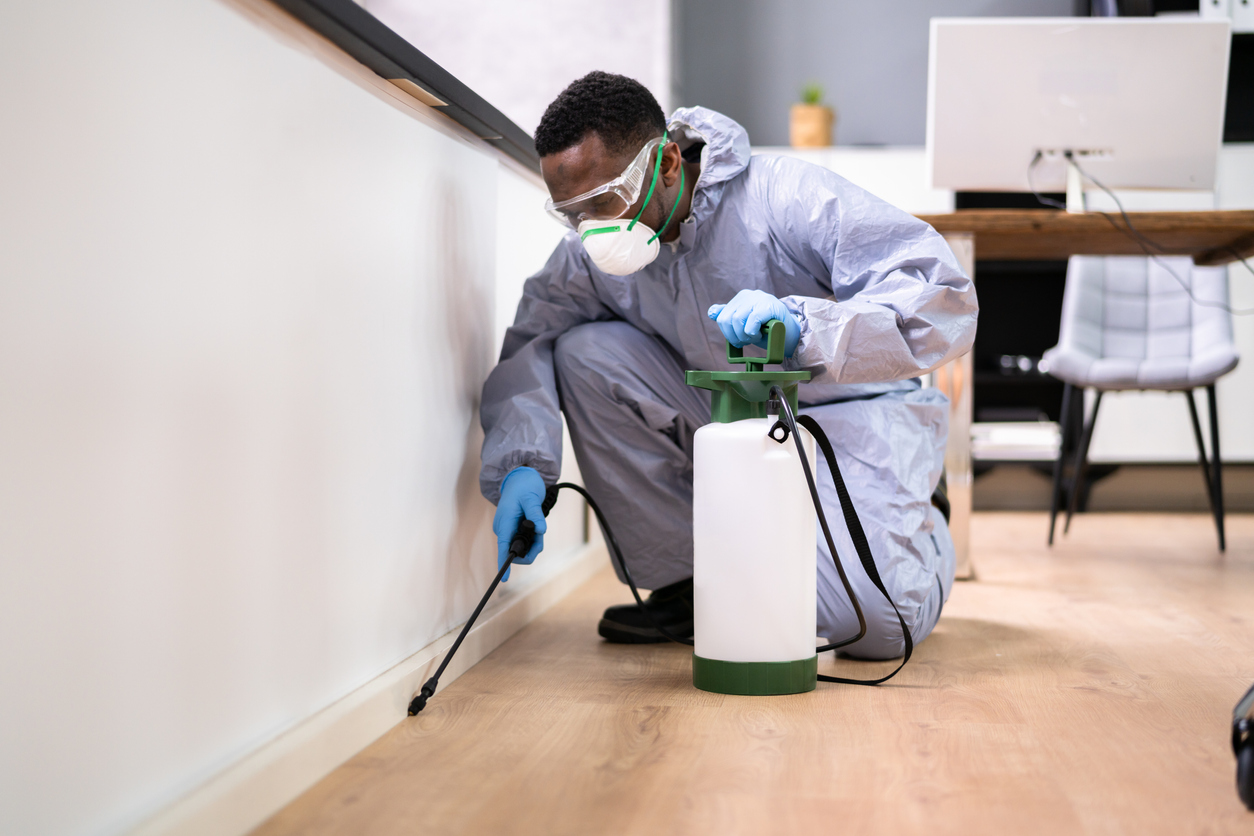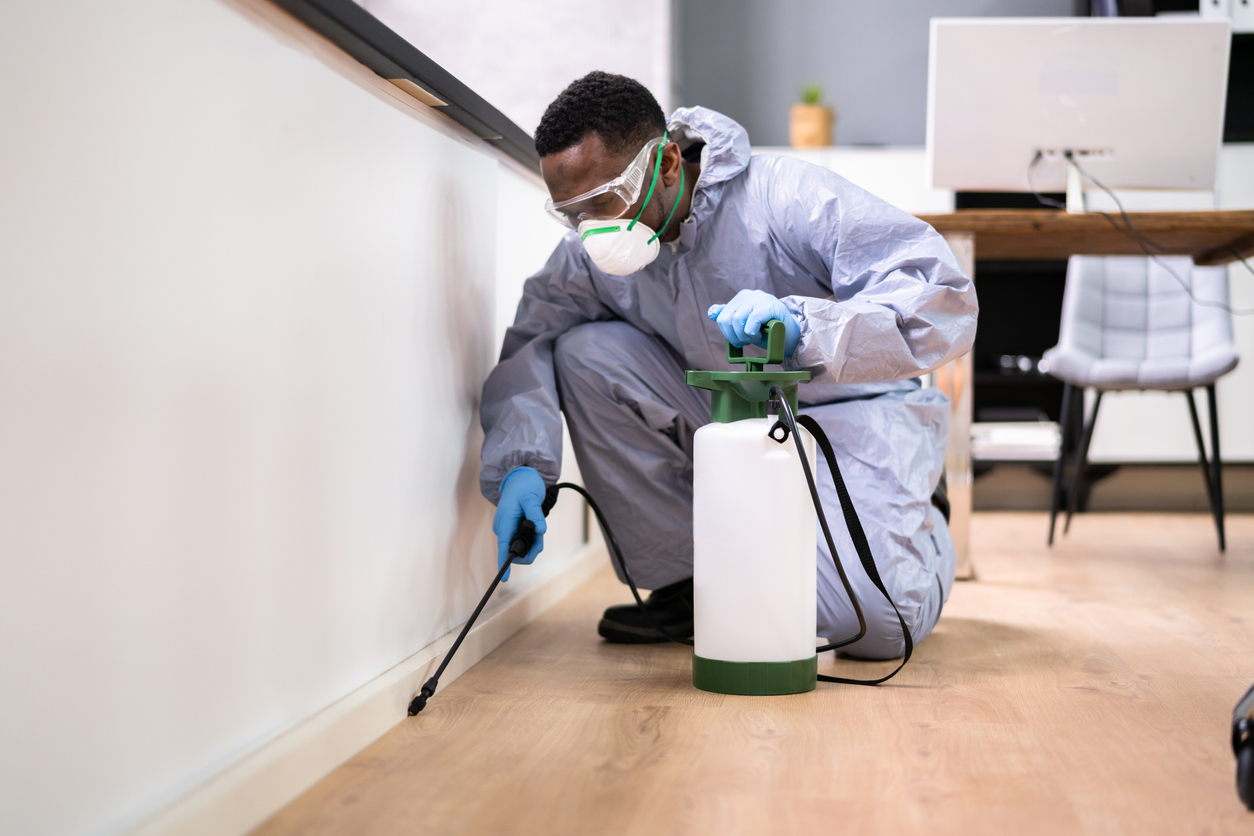


A cheap fumigation offer can look very tempting when pests are already disturbing your peace. You are scrolling through Facebook or an estate WhatsApp group and someone posts, “Fumigation 1,000 bob only. Mende, kunguni, panya zote zinaisha.” If you are in a bedsitter in Pipeline, a one-bedroom in Roysambu, or a family house in Kitengela and bedbugs are biting at night, that offer can feel like a quick rescue.
The problem is that cheap fumigation does not always mean affordable fumigation. Sometimes it means weak chemicals, rushed work, no inspection, no follow-up, and no safety instructions. For a few days, the house may look better. Then the cockroaches return from behind the fridge, the bedbugs start biting again, or rats continue moving in the ceiling. Now you are paying another person, buying more sprays, washing everything again, and maybe even replacing furniture.
Cheap fumigation Kenya households choose in a hurry can end up costing more than hiring a qualified provider from the beginning. The issue is not that every affordable service is bad. Some honest providers charge fair prices. The real danger is paying for a service that looks cheap because important steps have been skipped.
What Cheap Fumigation Usually Means
In Kenya, cheap fumigation often comes in a familiar way. Someone advertises a low price online, drops a phone number in the comments, and promises to clear all pests in one visit. There may be no company name, no inspection, no written quote, no receipt, and no clear explanation of what chemical will be used.
A common sign is the phrase “ni dawa kali sana.” That may sound reassuring, but it tells you nothing. What product is being used? Is it suitable for homes? Is it safe around children or pets after proper re-entry? How long should the house stay closed? Should food be removed? When should you mop? Will there be a follow-up visit?
If the provider cannot answer these questions clearly, the low price may become expensive later. Pest control is not just about spraying something strong. Bedbugs, cockroaches, fleas, termites, ants, mosquitoes, rats, and mice need different methods. Using one chemical for everything is like using one key for every door and hoping it works.
Why Paying Less Can Lead to Repeat Treatments
The most common hidden cost of cheap fumigation is paying again and again for the same pest problem. A tenant in Githurai may pay KSh 1,200 for a quick bedbug spray. Two weeks later, bites return. They call another number from Facebook and pay KSh 1,500. A month later, the problem is still there. By then, they have spent almost the same amount a professional provider may have charged for proper inspection, treatment, and follow-up.
This happens because many pests have eggs and hidden breeding areas. Bedbugs hide in mattress seams, wooden bed joints, curtain folds, sockets, and wall cracks. Cockroaches lay egg cases in warm, dark places such as behind fridges, inside cabinets, near drains, and sometimes around electronics. Fleas may leave eggs in carpets, rugs, pet bedding, and sofa corners.
A quick spray may kill visible adults but fail to reach eggs and hiding places. After a short calm period, the next generation appears. That is why someone can say, “Nilifumigate last month na bado mende zimerudi.” The first treatment may not have solved the root problem.
Cheap Services May Use the Wrong Method
Different pests need different control methods. Cockroach control may require gel bait, crack treatment, drain attention, and hygiene advice. Bedbug control may require mattress and bed frame treatment, steaming where available, residual spray, clutter reduction, and a follow-up visit. Rodent control may require sealing entry points, traps, bait stations, and waste management. Termites may need a more technical inspection because the colony may be hidden.
Cheap fumigation often skips this distinction. The provider arrives, sprays the floor, sprays the corners, sprays under the bed, and leaves. It may look serious because there is a strong smell, but the real hiding places may remain untouched.
In a Nairobi flat, for example, cockroaches may be coming through shared drains or wall cracks. Spraying only the kitchen floor will not stop them. In a bedsitter block, bedbugs may be moving from one unit to another. Treating one mattress without checking the bed frame, sockets, skirting boards, or neighboring units may only offer temporary relief.
A proper pest control plan starts with the pest, the house layout, the level of infestation, and the source. Bila hiyo, ni kubahatisha tu.
Furniture and Household Items Can Become the Bigger Cost
When fumigation fails, people often get desperate. A tenant may throw away a mattress, sofa, curtains, clothes, or wooden bed frame because the bedbugs keep returning. But furniture is not cheap. A decent mattress, sofa, or wardrobe can cost far more than professional fumigation.
Worse still, throwing furniture away does not always solve the problem. If bedbugs are hiding in wall cracks, sockets, or nearby units, the new mattress can become infested too. If cockroaches are breeding in the drainage system, replacing kitchen shelves will not stop them.
There is also the risk of damage from poor chemical use. Some unqualified sprayers may use products that are not appropriate for indoor residential spaces. Others may mix chemicals incorrectly or spray heavily on fabrics, electronics, wooden furniture, or painted surfaces. This can leave stains, strong smells, irritation, or damaged items.
Food can also become part of the cost. If the provider does not tell you to remove or cover food, utensils, baby bottles, pet bowls, toothbrushes, or medicine, you may end up throwing things away or washing everything in panic. That cheap job suddenly costs more in groceries, cleaning, and stress.
Cheap Fumigation Can Create Safety Risks
Safety is one of the biggest reasons to avoid careless fumigation. A professional pest control provider should explain how to prepare the house, how long to stay away, how to ventilate, what to clean, and when children or pets can return. They should also understand that homes with babies, asthmatic people, elderly family members, cats, dogs, birds, or fish need extra care.
Cheap providers may not give this guidance. Some tell families to return after a very short time without considering the product used, ventilation, or who lives in the house. In small homes like bedsitters and single rooms, this can be risky because the whole living space is treated at once.
Poor chemical handling can cause headaches, coughing, eye irritation, skin discomfort, nausea, or problems for pets. Cats may be sensitive to some products. Dogs may lick treated floors. Children may crawl on surfaces that were sprayed. Fish and birds are especially vulnerable to airborne chemicals.
Saving KSh 2,000 is not worth a hospital or vet visit. Fumigation should remove a problem from your home, not introduce a new one.
Pests Can Spread to Neighbors and Come Back
In apartment blocks, cheap fumigation can affect more than one house. If the treatment is weak or poorly done, pests may scatter instead of dying. Cockroaches may move through pipes and cracks to the next unit. Bedbugs may crawl through shared walls, sockets, skirting gaps, or ceiling spaces.
This creates a frustrating cycle. One tenant sprays cheaply, pests move next door. The neighbor sprays later, pests move back. After some time, the whole block is complaining, the caretaker is under pressure, and everyone is paying separately.
This is common in high-density areas such as Pipeline, Umoja, Kahawa West, Githurai, Kasarani, Donholm, and Zimmerman. It can also happen in better-finished apartments in Ruaka, Syokimau, Kilimani, Kileleshwa, and Kiambu if pests are already in shared ducts, drains, or ceilings.
In flats, pest control works better when affected units and common areas are handled together. A cheap one-room spray may look like saving money, but if the source is in the building, the pests will return. Hapo ndio watu huanza kusema plot iko na mende.
No Follow-Up Means the Problem May Survive
Follow-up treatment is not a luxury in serious pest control. It is often the step that breaks the cycle. Bedbug eggs may hatch after the first treatment. Cockroach egg cases may produce new roaches later. Fleas may reappear if eggs in carpets and pet bedding were not handled properly.
Many cheap fumigation deals do not include follow-up. Once the provider leaves, the job is considered done. If pests return, you either pay again or the phone goes unanswered. Some may blame you for not cleaning well, even if the treatment was incomplete.
A professional provider should tell you whether follow-up is needed and when. For bedbugs and fleas, a second visit may be recommended after several days or around two weeks, depending on the method used. For cockroaches, gel bait and monitoring may be part of the plan. For rodents, follow-up may involve checking bait, traps, and entry points.
When comparing prices, always ask what is included. A KSh 5,000 quote with inspection, full treatment, safety advice, and follow-up may be cheaper than a KSh 1,500 job that must be repeated three times.
Cheap Providers May Offer No Accountability
One major difference between a professional company and a random sprayer is accountability. If a provider has a business name, clear contacts, reviews, receipts, and a service process, you have someone to call if there is a problem. If they are licensed and trained, they are more likely to follow safety standards and use appropriate products.
With some cheap services, there is no receipt, no physical location, no written quote, and no warranty. Payment is made quickly through M-Pesa or cash, and that is the end. If the pests return, the provider may ignore your calls or ask for another full payment.
This matters for tenants, landlords, and property managers. If you manage a block of apartments, hostels, offices, or rental houses, hiring an unaccountable provider can lead to complaints from many people. If something goes wrong, everyone will look to you for answers.
What Professional Fumigation Should Include
Professional fumigation is not just paying for chemicals. You are paying for a proper process. The provider should first understand the pest problem. They may ask what pests you have seen, where you see them, how long the problem has been there, whether neighbors are affected, whether there are children or pets, and what type of house it is.
Inspection is important. A good technician checks hiding places before treating. For cockroaches, that may include the kitchen, sink area, fridge back, cabinets, drains, and dustbin area. For bedbugs, it includes the mattress, bed frame, sofa, curtains, skirting boards, and cracks. For rats, it includes ceilings, doors, holes, pipes, and garbage areas.
A professional should also give preparation instructions. They should tell you what to remove, what to cover, how long to stay away, and how to ventilate. After the job, they should advise what to clean immediately and what to leave so the treatment continues working.
The provider should explain whether follow-up is needed. They should also be honest about limitations. For example, if cockroaches are coming from shared drains, your unit may not stay clear unless the building is treated. If bedbugs are in several rooms in a block, one house treatment may not be enough.
How to Avoid the Cheap Fumigation Trap
You do not need to hire the most expensive fumigation company in Kenya. You simply need a provider who is transparent, safe, and competent. Start by asking for a written quote. The quote should explain what pest is being treated, which areas will be covered, what method will be used, and whether follow-up is included.
Ask what product or method they use. You do not need to be a chemist, but the provider should answer clearly. Be careful if all they say is “dawa kali” or “inaangamiza kila kitu.” Ask how long you should stay away and what to do if you have children, pets, asthma, or food items in the house.
Check reviews from real customers where possible. Ask neighbors, caretakers, landlords, or estate groups. Look for comments about whether pests returned, whether the provider kept time, whether they explained safety, and whether they honoured follow-up agreements.
Compare value, not just price. One provider may charge less but exclude follow-up, preparation advice, and full coverage. Another may charge more but include inspection, treatment, follow-up, and guidance. The second option may save money in the long run.
If you are unsure where to start, The Real Plug can help users find vetted fumigation and pest control professionals in Kenya. Comparing providers and checking reviews can reduce the chances of hiring someone who sprays once and disappears.
When a Low Price Is Not Automatically Bad
It is important to be fair. Not every affordable fumigation service is a scam. Some small providers charge reasonable prices because their overheads are low, they work locally, or the infestation is mild. A bedsitter with a minor cockroach issue should not cost the same as a four-bedroom house with severe bedbugs.
The key is not the price alone. The key is what comes with the price. Does the provider inspect? Do they explain the method? Do they give safety instructions? Do they understand the pest? Do they offer follow-up where needed? Do they have reviews or referrals? Do they provide a receipt or written agreement?
A fair price with a clear process can be a good deal. A suspiciously low price with vague promises is where the risk begins.
What Landlords and Property Managers Should Know
For landlords, cheap fumigation can damage the reputation of a property. If tenants keep complaining about mende, kunguni, fleas, or rats, the building may become known for pests. In Kenya, that reputation spreads quickly through WhatsApp groups, caretaker talk, and online tenant forums.
A landlord may save money by hiring the cheapest sprayer once, then lose more through vacant units, rent discounts, repeated complaints, and damaged trust. In apartment blocks and bedsitter plots, proper block fumigation may cost more upfront but reduce repeat infestations.
Property managers should also combine fumigation with maintenance. Seal cracks, repair drainage, fix leaking taps, manage garbage, clear bushes, and stop tenants from dumping old mattresses in corridors. Fumigation without maintenance is a short-term fix.
Final Thoughts
Cheap fumigation services sometimes cost more in the long run in Kenya because they often treat the visible problem, not the real source. A quick spray may kill a few cockroaches or bedbugs, but if eggs, nests, cracks, drains, furniture, and neighboring units are ignored, the pests will return.
The hidden costs can be serious. You may pay for repeat treatments, replace furniture, throw away food, risk your family’s health, upset neighbors, or lose peace of mind. What looked like a KSh 1,000 saving can easily become a KSh 10,000 problem.
The smarter approach is to choose value over the lowest price. Look for inspection, correct treatment, safety guidance, proper equipment, honest communication, and follow-up where needed. Ask questions before paying. Compare providers. Avoid anyone who cannot explain what they are using or how to keep your home safe.
Sometimes the most expensive fumigation is not the one with the higher quote. It is the cheap one that fails, spreads the pests, and forces you to start all over again.