

If you live in a flat in Pipeline, Umoja, Kahawa West, Githurai, Roysambu, or Kimbo Ruiru, you probably know how quickly small problems become everyone’s business. One tenant complains in the estate WhatsApp group, another adds, “Hata kwangu nimeona moja,” and before long the whole floor is talking about kunguni. Bedbugs move quietly, but once they settle in a rental block, the stress is anything but quiet.
The problem with bedbugs in flats is that they do not respect door numbers. Your house may be clean, your bedding may be washed every week, and your room may look organized. Still, if the next unit has a serious infestation and the building has cracks, shared pipes, ceiling gaps, or common corridors, bedbugs can find their way across. That is why many tenants say, half-jokingly, “mgeni njoo, mwenyeji akuambukize kunguni,” because one visit, one suitcase, or one shared wall can be enough.
Stopping bedbugs from moving from one unit to another in flats in Kenya requires more than spraying your mattress once. It needs early action, sealing entry points, careful handling of furniture, cooperation between tenants, and proper fumigation when the problem is already active. Whether you are a tenant, landlord, caretaker, hostel owner, or property manager, the goal is the same: stop the spread before one room becomes a whole-block headache.
Why Bedbugs Move So Easily Between Units
Bedbugs do not fly or jump, but they are excellent crawlers and even better hiders. They can squeeze into tiny cracks, sockets, wall joints, wooden bed frames, mattress seams, curtain folds, skirting boards, and gaps around plumbing lines. In a block of flats, those hiding spaces can connect one house to another in ways tenants rarely notice.
In many Kenyan rental buildings, units share walls, ceilings, corridors, staircases, balconies, laundry areas, and drainage routes. A bedsitter may be separated from the next one by a thin wall. A one-bedroom flat may have sockets or pipe spaces close to another unit’s bedroom. If finishing was rushed or maintenance has been ignored, small gaps become hidden highways for pests.
Bedbugs usually feed at night and hide during the day, so tenants often notice them late. By the time you see black spots on the bedsheet, tiny blood marks, shed skins, or repeated bites on your arms and legs, they may have been around for weeks. During that time, they may have laid eggs and spread deeper into furniture or nearby cracks.
This is why one tenant spraying alone may not solve the issue. If the pests are also in the walls, corridor, ceiling space, or neighboring unit, they can return after the smell of the chemical fades.
Seal Gaps Before Bedbugs Use Them
One of the most practical ways to stop bedbugs spreading in flats Kenya tenants live in is to block their movement routes. Start by inspecting the room carefully, especially near the sleeping area. Use a torch if necessary and check slowly. Bedbugs love dark, quiet spaces that are close to where people sleep.
Look along the skirting boards, behind the bed, around sockets, near cable holes, around pipes, under loose tiles, and where the wall meets the floor. In older flats in Eastlands, student hostels, and crowded plots, you may find small cracks that look harmless. They are not harmless when bedbugs are involved.
Use silicone, filler, sealant, or proper repair materials to close gaps. If the crack is large or linked to poor workmanship, inform the caretaker or landlord so it can be repaired properly. Door sweeps can also help, especially where there is a large gap under the main door. Bedbugs are flat, so even a thin space can be enough. As people say kwa ground, “kama card inaingia, kunguni pia anaweza pita.”
Sealing gaps will not kill an existing infestation, but it reduces movement between units and makes fumigation more effective.
Be Careful With Second-Hand Furniture
Second-hand furniture is part of normal life in Kenya. Many people buy used beds, sofas, wardrobes, mattresses, and chairs from online sellers, friends, markets, or tenants who are moving out. It is affordable and practical, especially for someone starting life in a bedsitter, student room, or first apartment.
The risk is that bedbugs often hide inside furniture. A sofa may look clean on the outside but have insects deep in the fabric folds. A wooden bed may have eggs in screw holes or joints. A mattress may carry bedbugs in the seams. Once you bring that item into your house, the problem becomes yours.
Before buying used furniture, inspect it outside in daylight. Do not rely only on a quick glance. Check seams, corners, joints, cracks, underneath surfaces, and hidden folds. If the item has a strange musty smell, dark stains, tiny eggs, or live insects, walk away. Hiyo deal inaweza kuwa expensive later.
Where possible, clean or treat second-hand furniture before it enters your house. If you are not sure, ask a professional fumigation provider to inspect or treat it first. It may feel like an extra cost, but it is cheaper than treating a full infestation later.
Keep Your Bed Isolated From Walls and Floors
Your bed is the main target because bedbugs feed while people sleep. One simple prevention step is to make it harder for them to reach you. Pull the bed slightly away from the wall so the mattress, headboard, and bedding do not touch the wall. Avoid letting blankets or bedsheets hang down to the floor.
You can also place interceptor traps under bed legs. These are small devices that catch bedbugs as they try to climb up or down. Some tenants use double-sided tape as a temporary option, though proper interceptors are better where available.
Check the bed frame regularly, especially if it is wooden. Bedbugs hide in joints, cracks, nail holes, and corners. Metal beds can also have hiding spots, especially around hollow frames and welded joints. If you have a headboard fixed against the wall, inspect behind it because that area is often ignored.
Reducing clutter around the bed also helps. Piles of clothes, bags, cartons, shoes, old books, and storage boxes give bedbugs more hiding places. A clean room does not guarantee safety, but an organized room makes inspection and treatment much easier.
Handle Laundry and Bedding Carefully
Laundry areas in flats can become quiet transfer points. If tenants share clotheslines, balconies, or washing areas, bedbugs may spread through bedding, clothes, or baskets. This is more likely when someone shakes infested bedding near other people’s clothes or leaves laundry piled in shared spaces.
Wash bedding regularly and dry it properly. Hot washing and high heat drying help where available. Since many tenants in Nairobi, Kiambu, Nakuru, Kisumu, Eldoret, and Mombasa rely on sun drying, make sure bedding dries fully and avoid placing it on shared surfaces that may be contaminated.
If you suspect bedbugs, pack bedding and clothes in sealed bags before carrying them out for washing. Do not drag infested bedding through corridors or staircases. After washing, avoid placing clean items on untreated beds, old sofas, or shared benches.
For mild early signs, ironing mattress seams, pillow edges, and fabric folds may help reduce risk, but it should not replace proper treatment if the infestation is active.
Do Not Dump Infested Items in Corridors
This is one of the biggest mistakes in rental blocks. A tenant discovers bedbugs in a mattress, panics, and drags it to the corridor. It stays there for two days waiting for garbage collection. By the time it is removed, bedbugs have crawled into nearby units, staircases, or shared stores.
If you must dispose of an infested mattress, sofa, carpet, or bedding, handle it carefully. Wrap it tightly in plastic where possible. Move it out quickly instead of leaving it in the hallway. Inform the caretaker so it is not stored near other tenants’ doors. If possible, have it treated before disposal.
Landlords and caretakers should be strict about this. Corridors should not become dumping grounds for old mattresses and furniture. In a block with many tenants, one careless disposal can undo everyone’s prevention efforts.
Talk to Your Neighbor and Caretaker Early
Bedbugs spread faster when people hide the problem. Many tenants feel embarrassed, so they keep quiet and keep spraying secretly. By the time they report it, three other units may already be affected.
It is important to remove the shame from the conversation. Bedbugs are not only found in dirty houses. They can enter clean homes through luggage, furniture, visitors, clothing, or nearby units. The faster tenants report signs, the easier and cheaper it is to control the problem.
If you see bedbugs, tell the caretaker or landlord early. You do not need to announce it to the whole estate WhatsApp group in a dramatic way. A simple, clear message is enough: “I have noticed signs of bedbugs in my unit. Please inspect nearby units so we can control it before it spreads.”
If your neighbor reports bedbugs, do not laugh or start gossiping. Act as if your unit may be at risk too. Inspect your bed, seal cracks, reduce clutter, and support coordinated fumigation. In flats, teamwork beats blame.
Why Whole-Block Fumigation Works Better
When bedbugs are limited to one unit and caught early, treating that unit may work. But if several units are affected, or if the building has shared cracks and ceilings, block fumigation is often more effective.
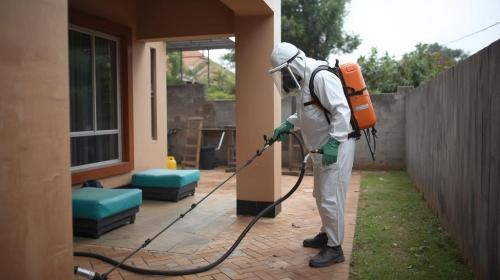
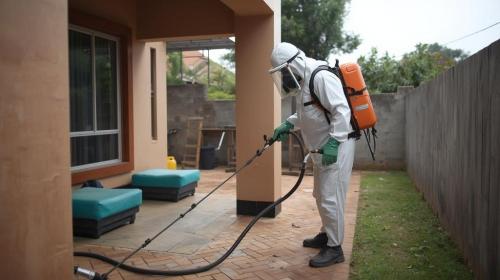
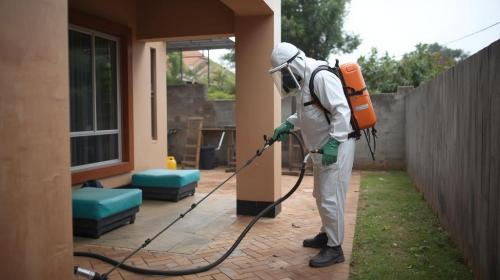
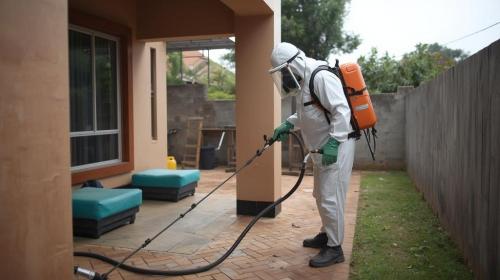
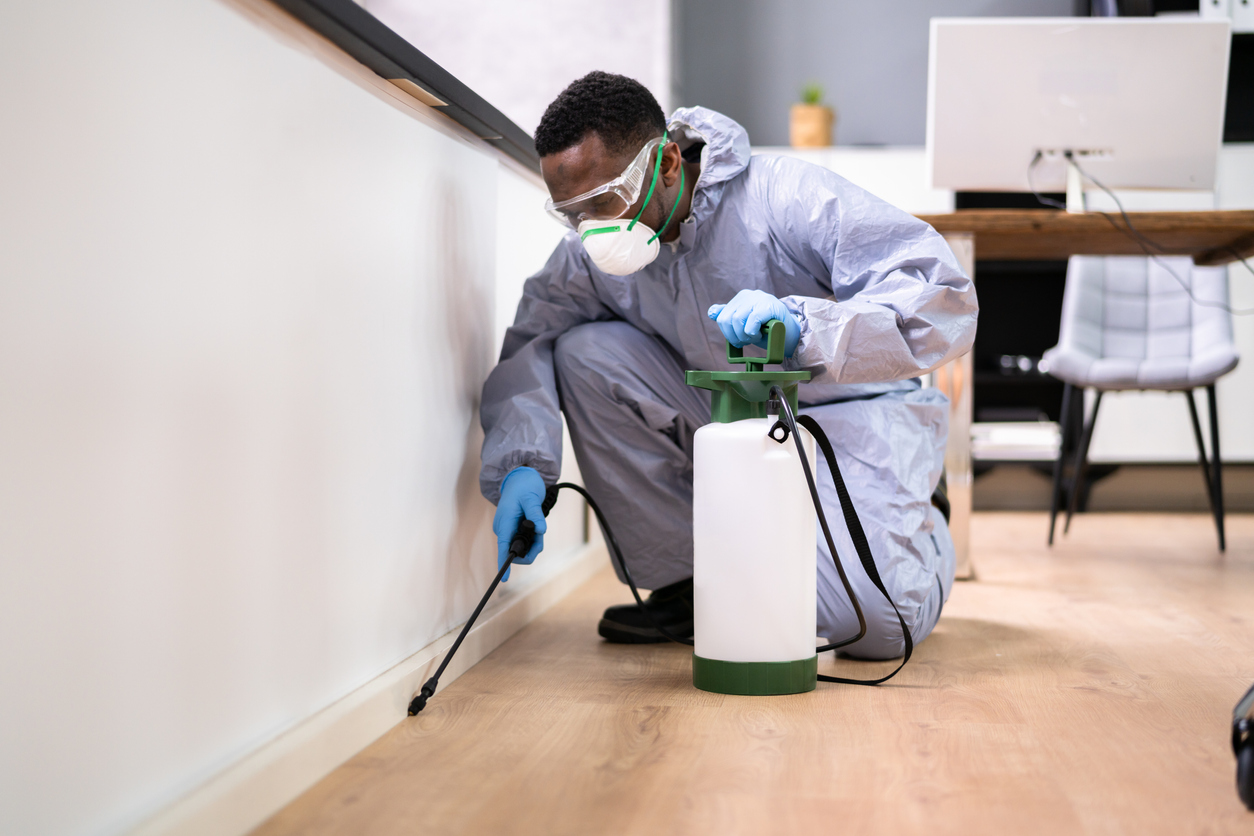
Whole-block treatment does not always mean spraying every inch of the property blindly. A professional provider should inspect the affected units, nearby houses, common corridors, staircases, shared stores, laundry areas, and possible movement routes. The treatment should target places where bedbugs hide or travel.
Landlords and caretakers should consider coordinated fumigation when more than one tenant complains. Tenants should also cooperate by preparing their rooms properly. If one unit refuses access, it can become a hiding place and the infestation may return. Hapo ndipo shida huanza tena.
The cost may be handled in different ways. Some landlords pay for it as property maintenance, especially where the infestation is building-wide. In other cases, tenants share the cost. Sometimes the landlord covers common areas while tenants pay for their own units. Whatever the arrangement, it should be discussed clearly and, where possible, put in writing.
Mistakes That Make Bedbugs Spread Faster
The first mistake is relying only on shop sprays. Many over-the-counter sprays kill visible insects but do not reach eggs or deep hiding places. Bedbugs may disappear for a few days, then return after eggs hatch. Worse, spraying without a plan can push them into walls or the next unit.
The second mistake is waiting to “see if it is just one.” With bedbugs, one visible insect often means more are hiding. Early treatment is easier than waiting until they are in the mattress, bed frame, sofa, curtains, and wall cracks.
The third mistake is hiring unqualified sprayers. Some people advertise cheap fumigation services but do not inspect properly, do not explain safety steps, and do not offer follow-up. Be careful with anyone whose only selling point is “strong dawa.” Strong chemicals without proper use can be unsafe, especially in small bedsitters, poorly ventilated flats, homes with children, or houses with pets.
A reliable provider should explain what they are treating, how you should prepare, how long you should stay out, whether follow-up is needed, and what you should do after treatment.
How to Choose a Reliable Bedbug Control Provider
When choosing a fumigation company or pest control technician, look for professionalism before price. The cheapest provider may become expensive if the bedbugs return after two weeks.
Ask whether they inspect before treatment. Ask what method they use for bedbugs. Ask whether they treat bed frames, mattress seams, wall cracks, sockets, curtains, sofas, and other hiding spots. Ask about safety, especially if you have children, asthma, elderly people, or pets in the house.
Also ask whether a follow-up visit is included. Bedbug eggs can hatch after the first treatment, so serious infestations may need a second visit. A provider who explains this honestly is usually more trustworthy than one who promises everything will disappear permanently after one quick spray.
If you are not sure where to begin, you can compare vetted pest control and fumigation professionals on The Real Plug. It helps users find service providers and businesses in Kenya, making it easier to check options before booking someone to work in your home or rental block.
If Your Neighbor Already Has Bedbugs
If the unit next to yours has bedbugs, do not wait until you are bitten every night. Start prevention immediately. Pull your bed away from shared walls. Do not let bedding touch the floor. Seal cracks, socket gaps, cable holes, and spaces around pipes. Reduce clutter near the bed and inspect your mattress seams regularly.
Avoid borrowing furniture, bedding, or clothes from the affected unit until treatment is complete. Be careful with shared laundry areas. Do not place your clean clothes on shared benches, corridor rails, or old furniture.
Speak to the neighbor and caretaker calmly. Suggest joint inspection or coordinated fumigation. Splitting the cost of proper treatment may be cheaper than each tenant paying separately several times. In connected flats, solo treatment can easily become a merry-go-round where bedbugs move from one house to another.
What Landlords Can Do to Prevent Repeat Infestations
Landlords and property managers should treat bedbug prevention as part of building maintenance, not just a tenant issue. Regular inspections, quick repairs, proper waste management, and strict rules on abandoned furniture can reduce risk.
Cracks in walls, loose skirting, broken sockets, ceiling gaps, and damaged doors should be repaired. Shared stores should not be used to keep old mattresses or abandoned sofas without inspection. Caretakers should also monitor move-outs carefully, because tenants leaving infested items behind can start a new cycle.
For bedsitter blocks, hostels, and apartments with high tenant turnover, fumigating between tenants can help. It protects the next tenant and reduces disputes about who brought the bedbugs. A clean, pest-free unit also improves the reputation of the property.
Final Thoughts
Stopping bedbugs from moving from one unit to another in flats in Kenya takes more than one spray can and hope. Bedbugs spread because rental units are connected through walls, ceilings, corridors, laundry areas, furniture movement, and everyday human activity. They are stubborn, but they are not impossible to control.
Tenants can protect themselves by sealing gaps, inspecting second-hand furniture, reducing clutter, isolating the bed, handling laundry carefully, and reporting signs early. Landlords and caretakers can help by repairing buildings, preventing careless dumping of infested items, and organizing coordinated fumigation when several units are affected.
The biggest lesson is simple: in a flat, bedbugs are a shared problem. Fighting alone may give temporary relief, but acting together gives better results. Do not wait for the whole plot to start saying “room iko wagan.” Once you see the signs, move fast, involve the right people, and close every route kunguni can use to reach the next house.