

There’s a familiar moment in many Kenyan homes when an appliance starts acting “somehow,” but everyone agrees to ignore it for a little longer. The fridge begins humming louder than usual. The microwave takes ages to warm food. The washing machine shakes like it wants to leave the balcony. The cooker flame turns yellow, but since supper still gets cooked, life goes on.
Then one day, the appliance stops completely.
That is when the real cost appears. Not just the repair bill, but the spoiled food, the emergency technician fee, the inconvenience, and sometimes the painful decision to replace something you thought had a few more years left. For many households in Nairobi, Mombasa, Kisumu, Nakuru, Eldoret, and smaller towns across Kenya, that kind of surprise expense can throw off the whole month.
Regular appliance servicing may not sound exciting, but it is one of the simplest ways to save money at home. It helps your machines run efficiently, prevents small issues from becoming expensive repairs, and extends the life of the appliances you already paid good money for.
Why Waiting Until an Appliance Breaks Costs More
The old idea of “if it isn’t broken, don’t fix it” does not work well with home appliances. Most breakdowns do not happen suddenly. They build up quietly.
A fridge works harder when its coils are dusty. A washing machine struggles when limescale builds up inside. A cooker becomes less safe when gas connections loosen or burners clog. A microwave can overheat when its vents are blocked.
At first, these problems look small. Maybe the appliance uses slightly more power. Maybe it takes longer to finish a cycle. Maybe it makes a strange sound once in a while. But over time, that extra strain wears out motors, belts, seals, sensors, and heating elements.
Think of it like driving from Nairobi to Nyeri every week without checking oil, tyre pressure, or coolant. The car may still move, but eventually, something expensive will fail. Appliances work the same way.
Servicing Helps Reduce Electricity Bills
One of the biggest hidden costs of poor appliance maintenance is electricity. When appliances are dirty, blocked, or poorly adjusted, they use more power to do the same job.
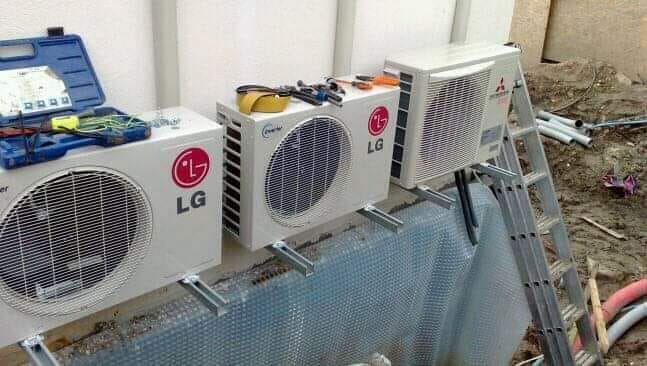
A fridge with dusty condenser coils may run longer than necessary. A washing machine with scale buildup may take more energy to heat water. An air conditioner with clogged filters has to work harder to cool a room. Even a cooker or oven with poor temperature control may waste energy through uneven heating.
You may not notice the difference in one day, but over several months, it shows up in your KPLC tokens. For a family trying to manage school fees, rent, food, transport, and chama contributions, wasted electricity is not a small thing.
Regular appliance servicing keeps key parts clean and working properly, helping your appliances use energy more efficiently.
Small Repairs Are Cheaper Than Major Breakdowns
Many expensive appliance repairs begin as minor issues. A noisy blender may only need a small bearing replacement. A washing machine that drains slowly may have a blocked filter. A fridge door that does not close tightly may simply need a new gasket.
Ignore those signs, and the damage spreads.
A loose part can damage the motor. A clogged drain can cause leaks. A worn seal can make the compressor work too hard. Before you know it, a repair that could have cost a few hundred or a few thousand shillings turns into a major bill.
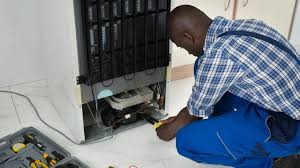
Regular servicing gives a technician the chance to catch these issues early. That is where the real saving happens. You are not paying because something has already failed; you are paying to stop it from failing badly.
Regular Servicing Extends Appliance Lifespan
Home appliances are not cheap in Kenya. A decent fridge, front-load washing machine, cooker, microwave, or water dispenser is a serious purchase. With good care, many of these appliances can serve for years longer than neglected ones.
A well-maintained fridge can run for 10 to 15 years. A washing machine can also last many years if it is not overloaded, left unbalanced, or damaged by hard water. Cookers and ovens can stay reliable for a long time when burners, igniters, gas pipes, and heating elements are checked regularly.
Without servicing, appliances often fail much earlier. Replacing a fridge after six years instead of twelve means you have paid twice for something that could have lasted longer. The same applies to washers, microwaves, and cookers.
In simple terms, servicing protects your investment.
What Regular Appliance Servicing Usually Includes
Proper appliance servicing is not just wiping the outside and calling it a day. A good technician checks the parts that affect safety, performance, and long-term reliability.
Fridges and Freezers
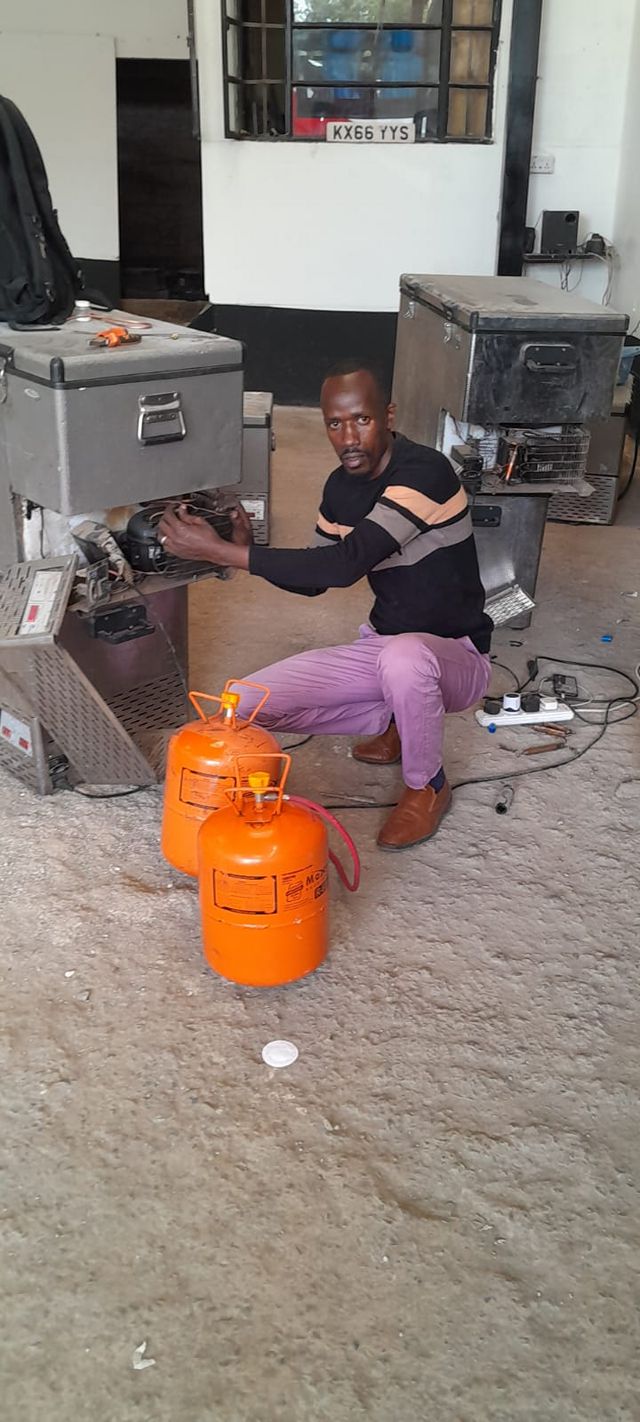
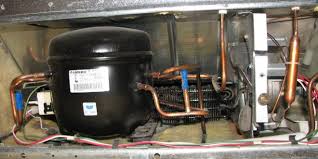
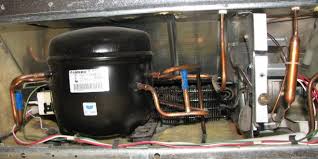
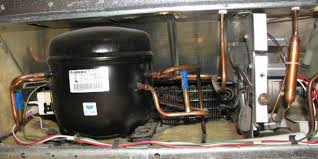
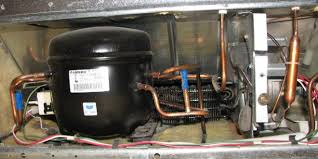
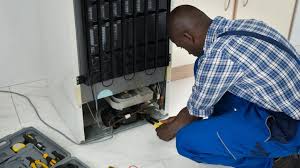
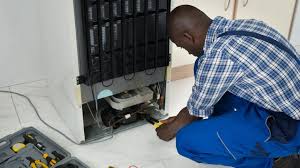
For fridges and freezers, servicing may include cleaning condenser coils, checking door seals, testing the thermostat, clearing drain holes, and checking whether the appliance is cooling evenly.
A weak door seal, for example, lets cold air escape. The fridge then runs longer to maintain the right temperature, which increases electricity use and strains the compressor.
Washing Machines
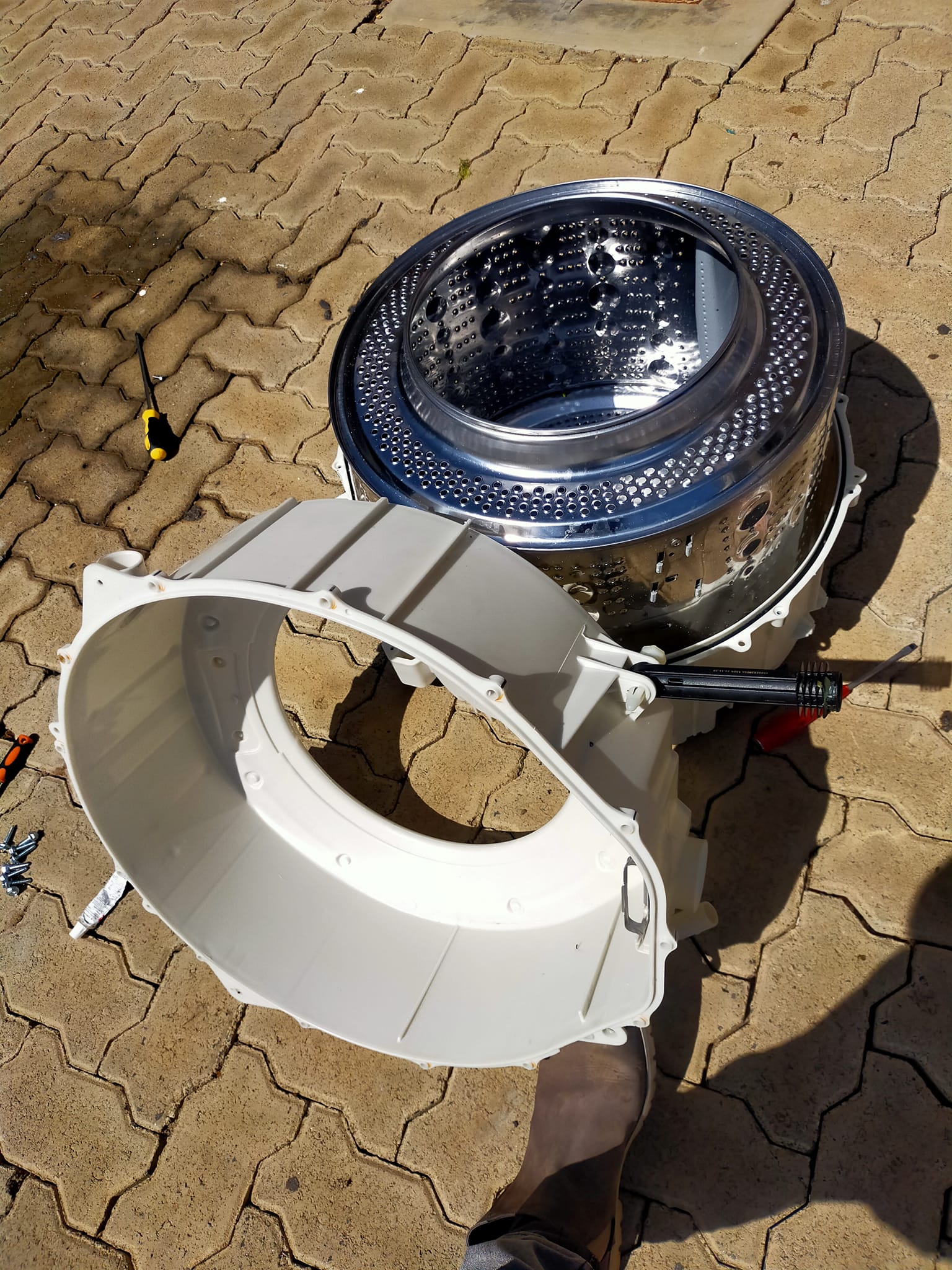
Washing machine servicing often includes cleaning filters, descaling the drum, checking hoses for cracks, inspecting the motor, testing drainage, and making sure the drum is balanced.
This is especially useful in areas with hard water, such as parts of Naivasha, Athi River, Kitengela, Nakuru, and the Coast. Limescale buildup can damage heating elements and reduce washing performance.
Cookers and Ovens
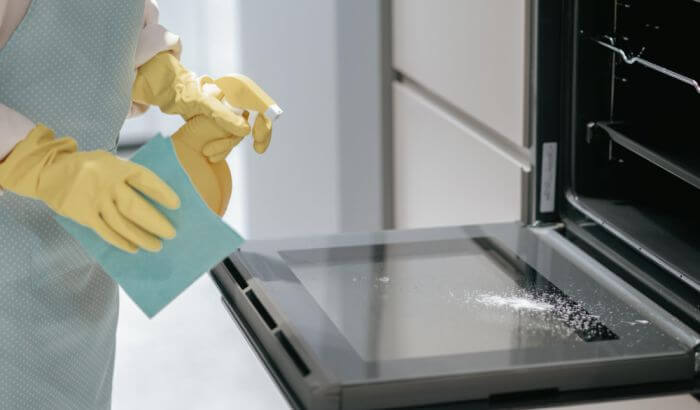
For cookers, a technician may check gas connections, inspect hoses, clean clogged burners, test igniters, and confirm that the oven heats correctly.
This is not just about saving money. It is also about safety. A leaking gas pipe or faulty ignition system can be dangerous, especially in apartments where homes are close together.
Microwaves and Small Appliances
Microwaves need clear vents, safe wiring, and proper heating performance. Small appliances such as blenders, kettles, air fryers, and water dispensers can also benefit from checks, especially after a few years of regular use.
Loose wiring, worn switches, damaged cords, and overheating parts are more common than people think.
The Real Cost: Servicing vs Replacing
Let’s use a fridge as an example.
A mid-range fridge may cost around KSh 55,000 or more. If it is poorly maintained, it may start consuming more power, cooling unevenly, and eventually failing earlier than expected. You may pay for repairs several times before finally replacing it.
Now compare that with servicing once a year. Even if you spend a few thousand shillings annually, the fridge runs better, uses power more efficiently, and is more likely to last longer.
Over a decade, that difference can easily add up to tens of thousands of shillings. And that is only one appliance. Add your washing machine, cooker, microwave, and water dispenser, and the savings become much clearer.
Signs Your Appliance Needs Servicing
You do not have to wait until an appliance stops working completely. Most machines give warning signs first.
Watch out for unusual noises, longer wash cycles, uneven heating, burning smells, hot plugs, water leaks, poor cooling, yellow cooker flames, or a sudden increase in electricity use.
A washing machine that moves during spinning may need balancing. A fridge that runs nonstop may have dirty coils, a weak seal, or cooling issues. A cooker that produces soot may have blocked burners. A microwave that smells like burning plastic should not be ignored.
When something feels off, it usually is.
How Often Should You Service Home Appliances?
For most Kenyan homes, servicing major appliances once or twice a year is enough. Fridges, washing machines, cookers, ovens, and water dispensers should be checked at least annually.
Homes with heavy appliance use may need servicing more often. For example, a large family using the washing machine several times a week should not wait years before checking it. The same applies to homes in dusty areas or places with hard water.
A practical approach is to schedule servicing before high-use seasons. For instance, service your fridge before December holidays, when it will likely be packed and running constantly. Check cookers before festive seasons or family events. Service air conditioners before the hottest months in places like Kisumu, Garissa, or Mombasa.
Why You Should Use a Qualified Technician
A quick fix from an unqualified technician may seem cheaper, but it can cost more later. Wrong parts, poor wiring, careless gas connections, or guesswork repairs can create bigger problems than the original fault.
A good technician should diagnose the issue clearly, explain what needs to be done, and avoid replacing parts unnecessarily. That kind of accountability matters.
Platforms like The Real Plug at https://therealplug.online/ make this easier by helping users find vetted professionals and businesses in Kenya. Instead of relying only on random referrals, you can check service providers and connect with technicians who are easier to trace and review.
A Simple Habit That Pays Off
Regular appliance servicing is not about spending more money. It is about avoiding bigger, messier expenses later.
It keeps your electricity bills under control, reduces emergency repairs, extends appliance lifespan, and improves safety at home. More importantly, it gives you peace of mind. You are less likely to wake up to a dead fridge, a leaking washer, or a cooker that suddenly refuses to light.
In a time when every shilling counts, taking care of the appliances you already own is just common sense. A small service today can save you from a large repair bill tomorrow.