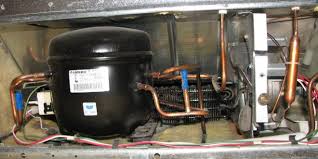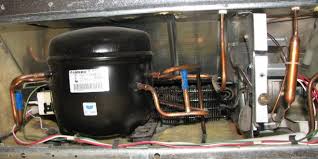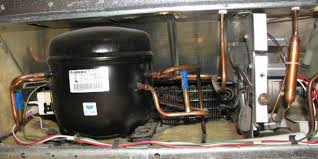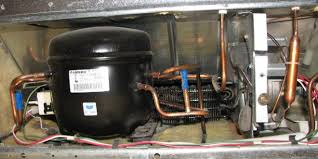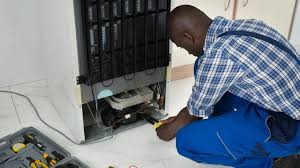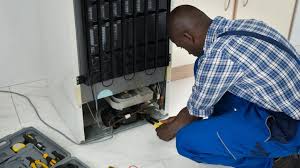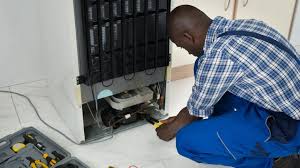


Your freezer starts making a noise that sounds a little too much like a matatu idling outside your window. The washing machine in your Kilimani Airbnb fills with water, then refuses to spin, and a guest is checking in later that evening. Or your cooker suddenly stops lighting properly right when you are trying to get supper ready.
That is usually when the phone comes out.
You search “fridge repair near me” or “washing machine fundi Nairobi,” and within seconds, you have more numbers than you know what to do with. Every technician promises the same things: fast service, affordable prices, professional repairs. But which one do you actually trust with an appliance that cost you good money?
Choosing a reliable appliance repair technician in Kenya is not just about finding someone available. It is about finding someone who can diagnose the problem properly, charge fairly, use the right parts, and stand by their work. A good technician saves you stress. A bad one can turn a small fault into a much bigger bill.
A Good Technician Starts by Asking the Right Questions
One of the easiest ways to spot a serious technician is how they handle the first conversation.
If you call and the first thing they ask is, “How much do you have?” or they quote immediately without understanding the problem, be careful. A reliable appliance technician will want details first.
They may ask whether the fridge light is on but the appliance is not cooling. They may ask if the washing machine drains but does not spin. They may want to know whether the cooker igniter is clicking, whether there is an error code, or whether the fault started after a blackout.
Those questions are not delay tactics. They help the technician prepare.
If you say your Samsung inverter fridge stopped cooling after a power surge, a good technician knows what tools and possible spares to carry. If your LG washer is showing an “OE” error, they may already suspect a drainage issue. That means fewer unnecessary trips and less guesswork.
Look for Proof, Not Big Promises
In Kenya, anyone can print a flyer, create a social media page, or call themselves an expert. What matters is proof.
A reliable technician should have some kind of track record. This could be customer reviews, referrals from people you trust, photos of previous repairs, or a profile on a platform that verifies service providers.
Estate WhatsApp groups can be surprisingly useful here. If several people in Kahawa Sukari, Syokimau, Membley, or South B recommend the same technician after using them months apart, that is worth paying attention to. People are usually honest when a repair goes badly.
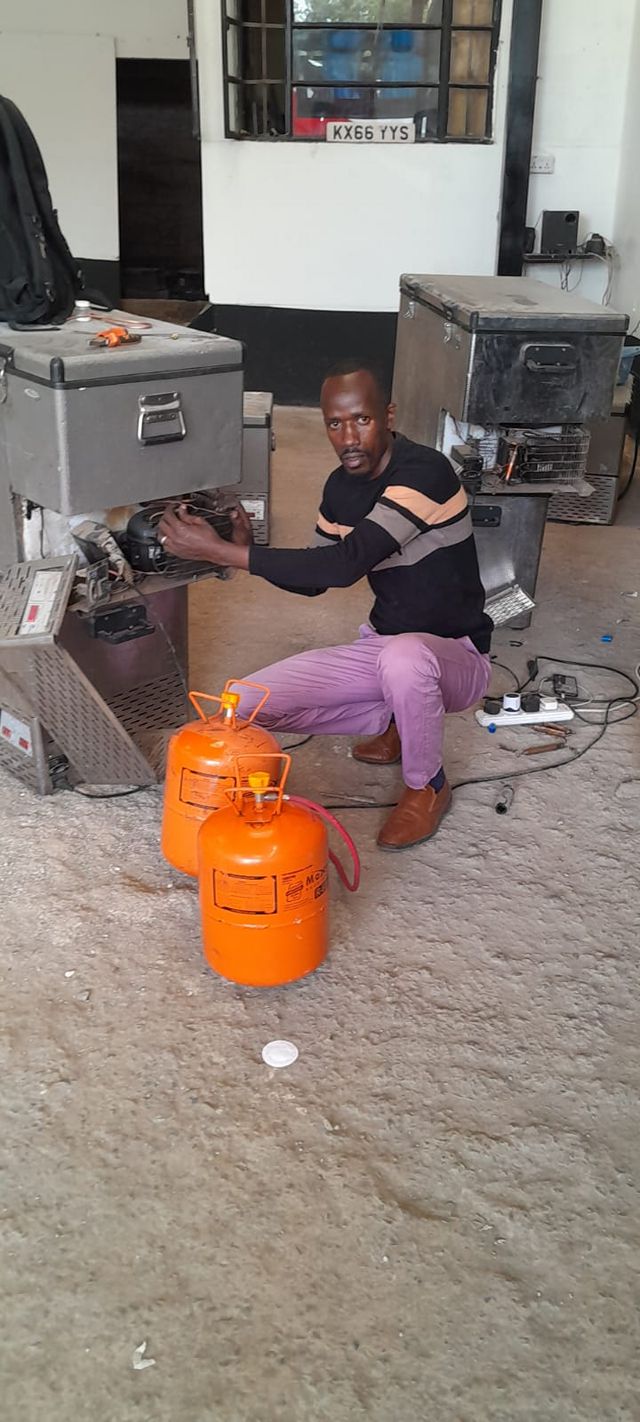
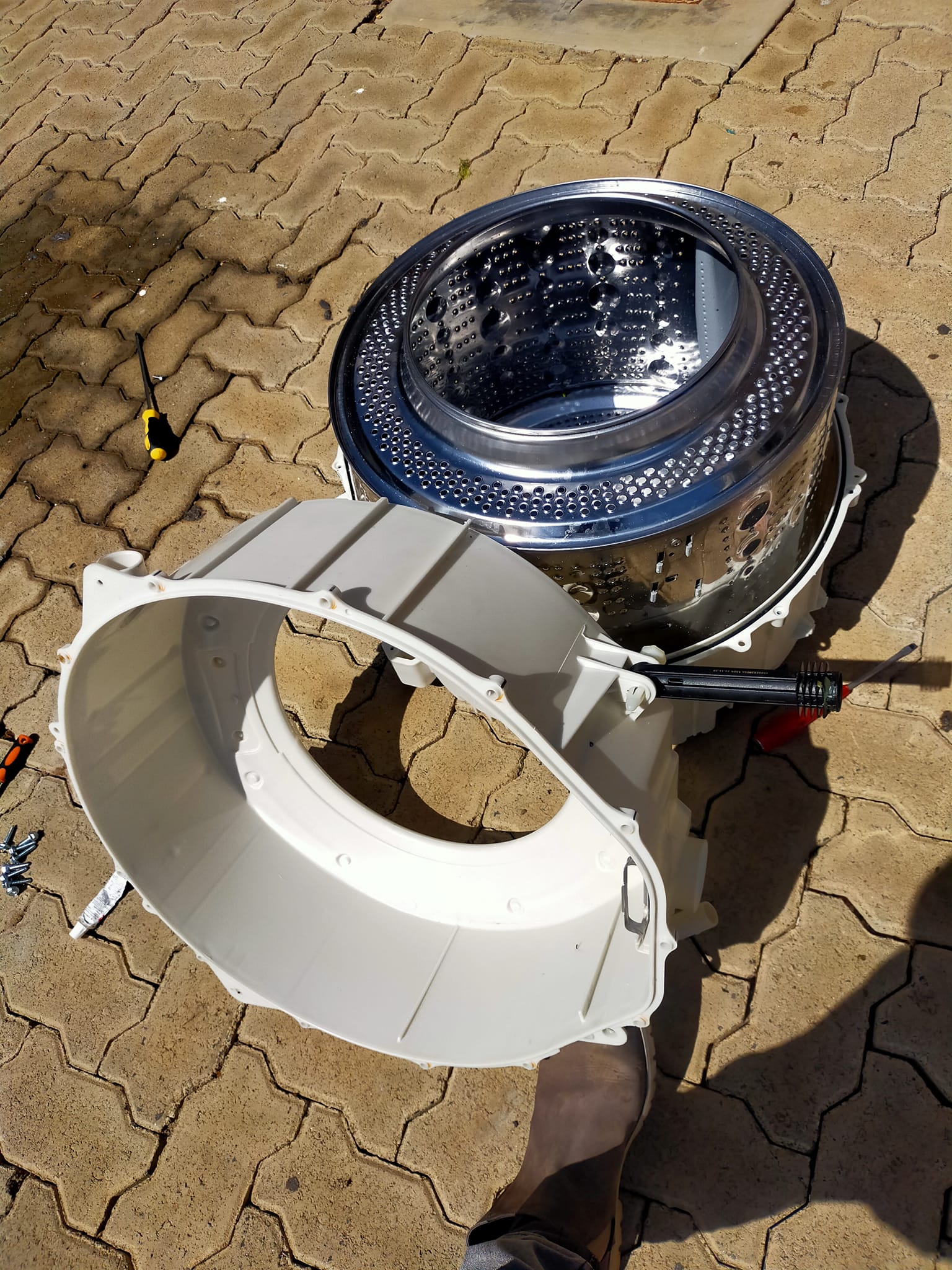
Photos of previous jobs also help. They do not need to look like a glossy advert. A repaired compressor, replaced oven element, fixed cooker burner, or resealed fridge door can show that the technician has handled real work before.
Platforms like The Real Plug can also make the search less risky because users can connect with vetted professionals and review service details before booking. That extra layer of accountability matters when you are inviting someone into your home or business.
They Should Explain the Problem in Normal Language
You should not need an engineering background to understand what went wrong with your appliance.
A good technician explains the issue clearly. For example, instead of saying something vague like “machine imeharibika tu,” they should be able to say, “The washer is not draining because the pump is blocked,” or “The fridge is running but not cooling because the fan is not circulating cold air.”
Clear explanations help you make better decisions.
If the technician cannot explain the fault, keeps dodging your questions, or hides behind confusing technical language, that is a red flag. A real professional does not need to make the problem sound mysterious. They should make it easier for you to understand what you are paying for.
Pricing Should Be Clear Before the Repair Starts
Appliance repair does not have to be awkward when it comes to money. A reliable technician should be upfront about charges.
In many parts of Kenya, technicians charge a diagnosis or call-out fee before repair work begins. This usually covers their time, transport, and inspection. If you proceed with the repair, some technicians deduct that fee from the final cost.
After diagnosis, ask for a simple breakdown. How much is labor? How much is the part? Is there transport included? Is the part new or refurbished? How long is the warranty?
For bigger repairs like a compressor replacement, motor change, control board repair, or cooker gas system work, do not rely on verbal estimates alone. Ask for the details in writing, even if it is just through WhatsApp or SMS.
Also, avoid paying the full amount before the job is complete. A deposit for a specific part can be normal, especially if the technician needs to source it. But full payment should come after you have tested the appliance and confirmed it is working.
Do Not Ignore the Red Flags
Some warning signs are easy to overlook when you are under pressure, especially if the appliance breakdown is urgent.
Be cautious if a technician refuses to give their full name or business name. Be careful if they want to take your appliance to a workshop but will not provide an address, receipt, or clear timeline. Many people have lost microwaves, TVs, and small appliances this way.
Another red flag is pressure. If someone says you must pay immediately before they even inspect the appliance, that is not professionalism. It is pressure selling.
Also pay attention to timekeeping and communication. Nairobi traffic is real, and delays happen. But if someone says they are “almost there” for three hours and gives no update, that tells you something about how they may handle follow-up if the repair fails.
A technician who communicates well before the job is more likely to communicate well after the job.
Local Experience Makes a Big Difference
Kenyan homes and businesses deal with conditions that affect appliances in specific ways.
Power surges and voltage drops are common in some areas. Borehole water in places like Ruaka, Kitengela, and parts of Nakuru can cause scale buildup in washing machines and water appliances. Dust in Athi River, Mlolongo, and areas near busy roads can clog vents, coils, and filters. At the coast, humidity and salty air can corrode electrical contacts faster.
A technician who works in your area understands these patterns.
They may recommend a surge protector for your fridge if power fluctuations are common. They may advise regular descaling if hard water is affecting your washer. They may know that a cooker flame issue in a busy family kitchen is often caused by clogged burners, not necessarily a faulty regulator.
That local knowledge can save time and prevent repeat breakdowns.
Choose a Specialist When the Appliance Is Complicated
There is nothing wrong with a general handyman for simple home fixes. But for appliances, specialization matters.
A person who fixes sockets, repairs taps, paints walls, and “also does fridges” may not be the best choice for a modern inverter fridge, front-load washer, dishwasher, or built-in oven. Appliances now have sensors, digital boards, error codes, and model-specific parts.
If your Bosch dishwasher is leaking, you want someone who has handled dishwashers before. If your Samsung fridge has a cooling issue, you want someone who understands inverter systems. If your commercial freezer is failing, you want a technician who knows refrigeration, not someone guessing with gas.
Specialists may cost more upfront, but they often save money because they diagnose faster and replace fewer unnecessary parts.
A Workmanship Warranty Shows Confidence
No honest technician can promise that an appliance will never break again. Appliances have many parts, and some faults develop over time. But a reliable technician should guarantee the work they have done.
For many appliance repairs in Kenya, a workmanship warranty of 30 to 90 days is reasonable, depending on the repair type. Parts may also have their own supplier warranty.
Get the warranty in writing. It can be simple. A WhatsApp message saying, “Replaced washing machine drain pump, 60-day warranty on part and labor,” is better than a verbal promise that disappears when the technician leaves.
A technician who refuses any form of warranty may not be confident in the repair.
Landlords, Airbnb Hosts, and Businesses Need Extra Reliability
If you are a homeowner, a broken appliance is stressful. If you are a landlord, Airbnb host, restaurant owner, butchery operator, or laundry business owner, it can affect income.
A fridge problem in a rental unit can upset tenants. A broken cooker in an Airbnb can lead to complaints and refunds. A faulty freezer in a butchery can cause stock losses. A laundry shop cannot afford machines sitting idle for days.
For business-related appliances, look for technicians who keep records, provide invoices, respond quickly, and understand urgency. It is also worth asking whether they offer maintenance checks. Regular servicing can prevent expensive emergencies, especially for freezers, washers, dryers, and commercial kitchen appliances.
In this case, you are not just choosing someone to fix one fault. You are choosing a service partner.
Test the Technician Before an Emergency
One smart approach is to try a technician on a small job before you need them urgently.
Maybe your cooker needs servicing. Maybe your washing machine needs a filter clean. Maybe the dryer belt needs replacing. Use that smaller job to see how the technician communicates, whether they arrive on time, how they explain the issue, and whether the repair holds.
If they do a good job, save their number. Reliable technicians are valuable, especially during busy seasons when many people are dealing with breakdowns.
Good working relationships matter too. Pay on time, communicate clearly, and leave a fair review when the work is good. In Kenya, a dependable technician will often prioritize clients who treat them well.
Trust Is the Real Repair
At the end of the day, appliance repair is not just about machines. It is about trust.
You are allowing someone into your home, rental unit, office, restaurant, or shop. They are handling equipment that is expensive to replace and, in some cases, connected to electricity, gas, or water. You need someone careful, honest, and skilled.
The right technician asks questions, explains clearly, charges transparently, uses the correct parts, and stands by the repair. The wrong one leaves you with confusion, repeat faults, and a bigger bill than you started with.
So before you choose the first number that appears when you search “fridge repair near me” or “washing machine fundi Nairobi,” pause for a moment. Ask the right questions. Check reviews. Confirm pricing. Look for local experience. Use platforms that add accountability where word of mouth ends.
A reliable appliance repair technician is not found by luck. They are chosen carefully. And once you find one, appliance breakdowns become less of a crisis and more of a problem you know how to handle.