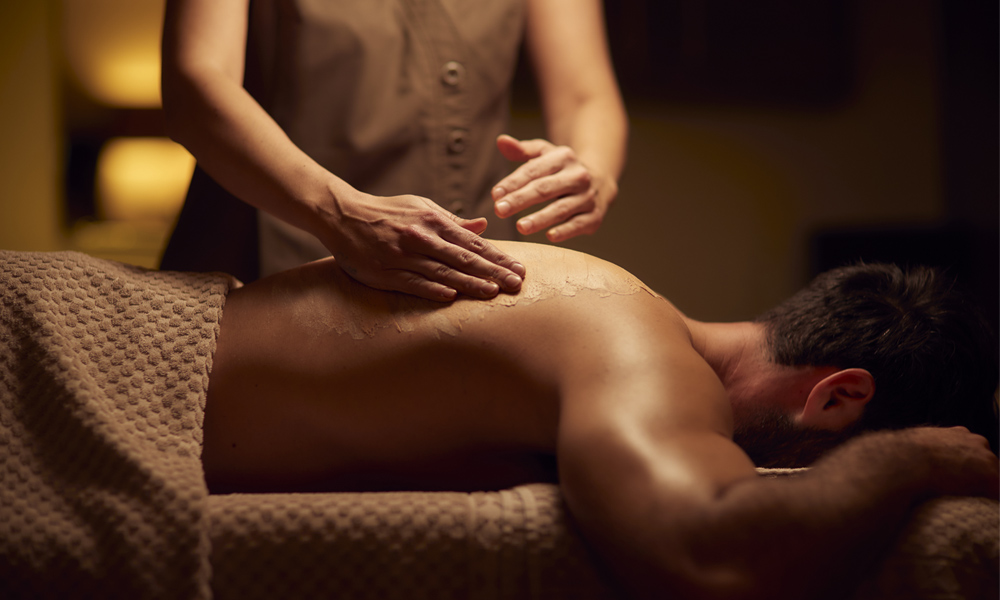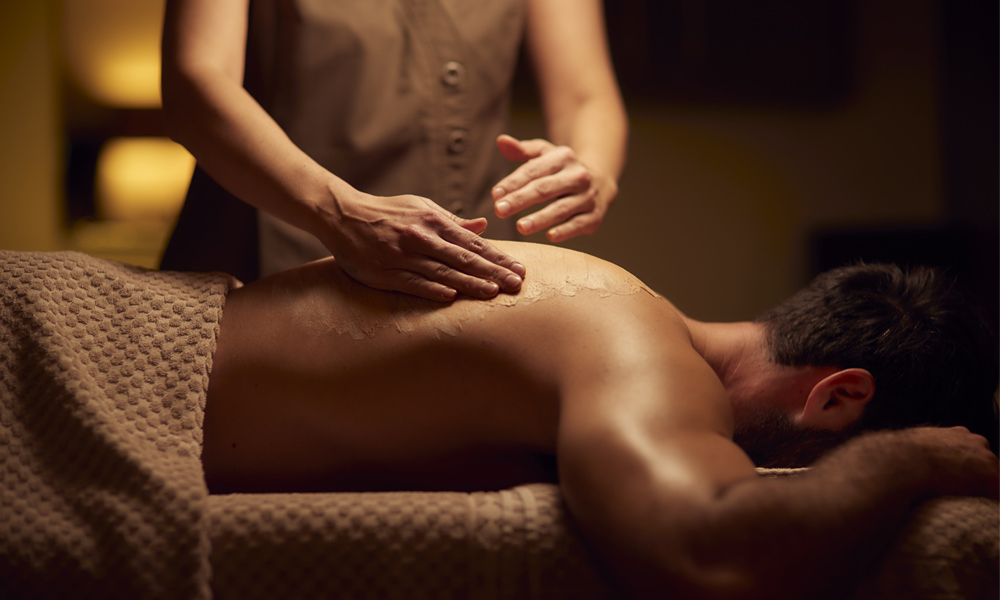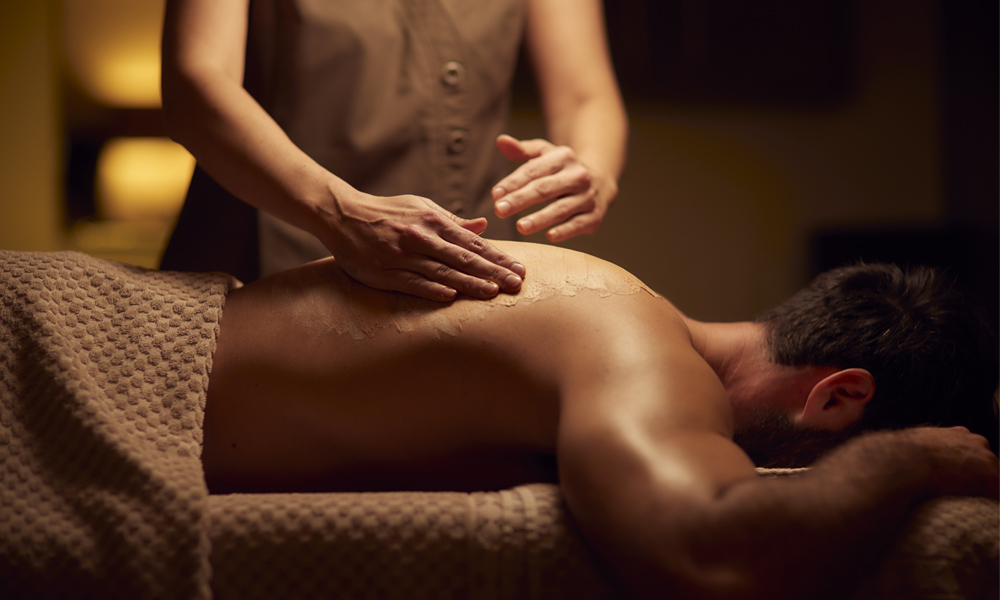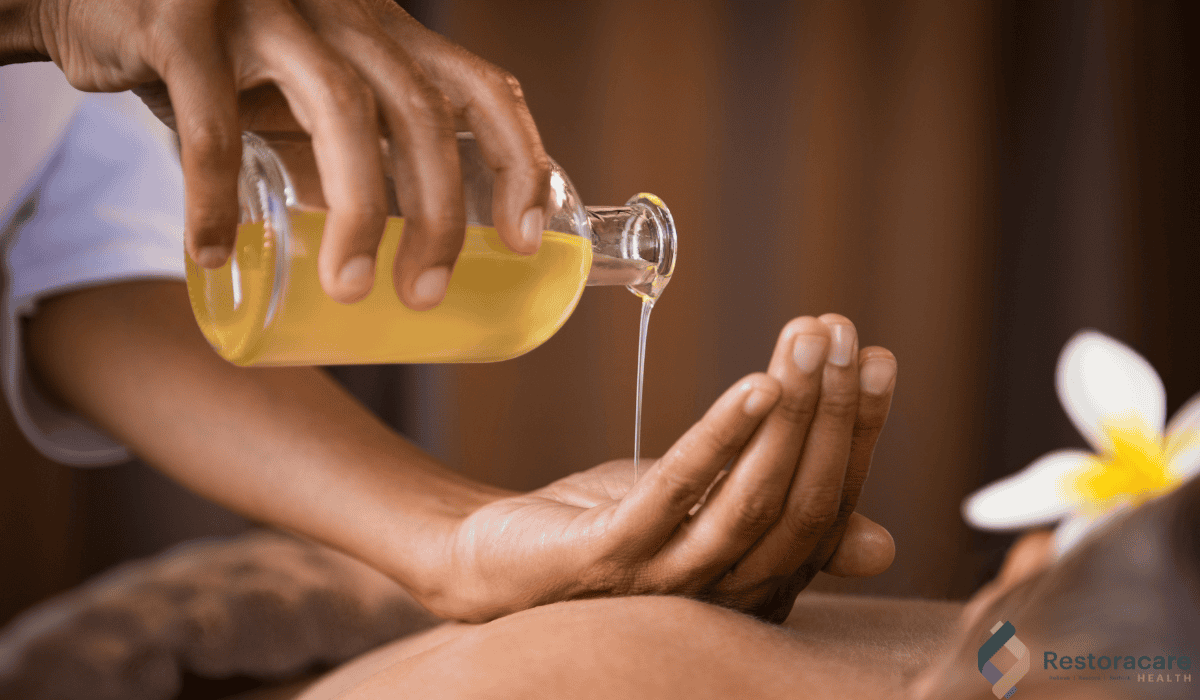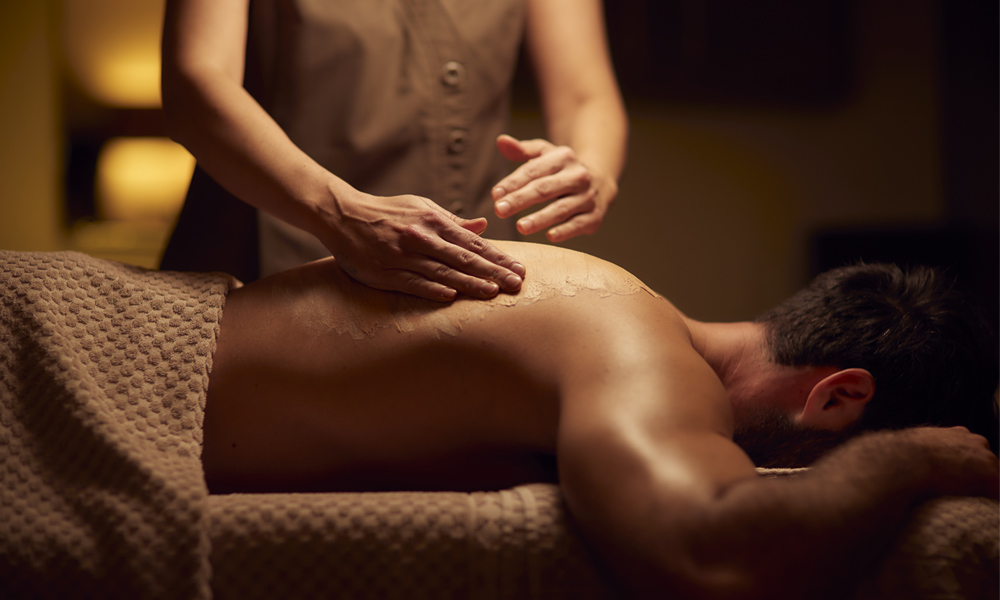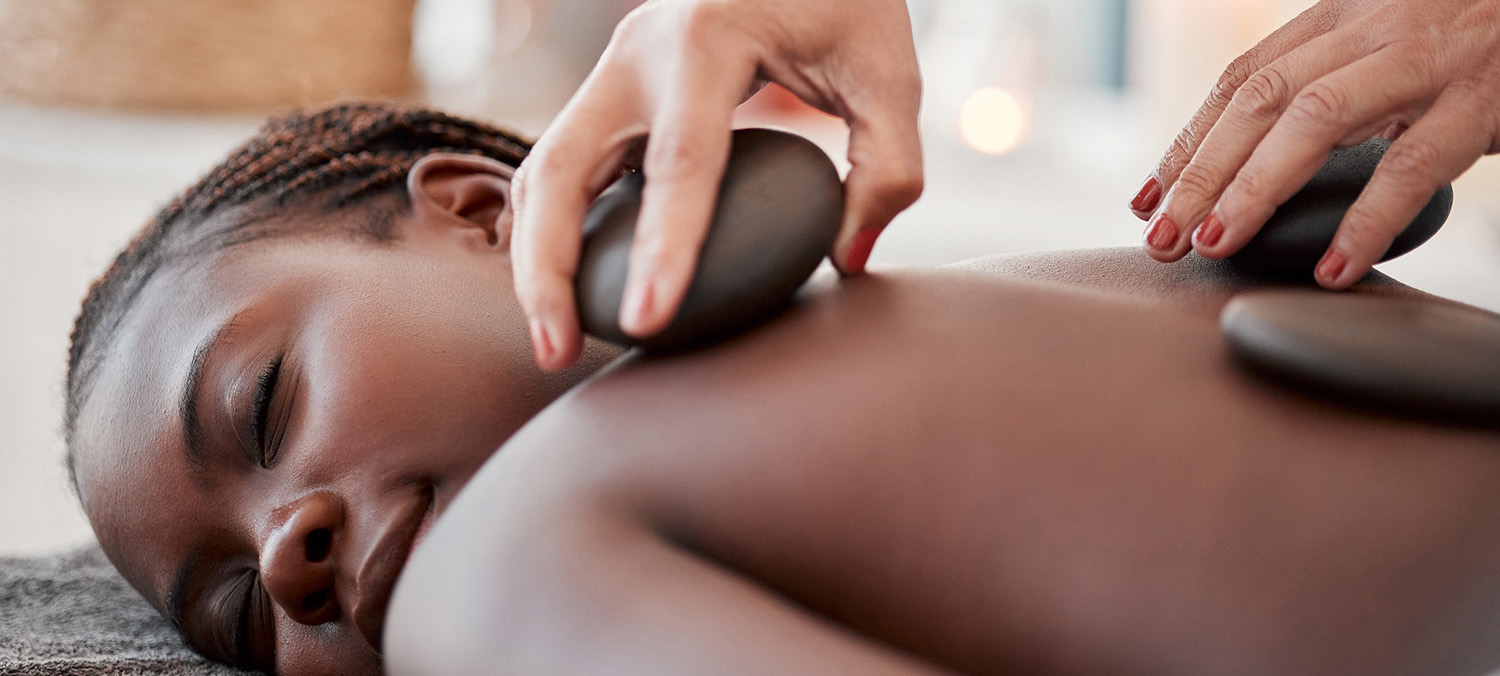


Massage therapy has become much more common in Kenya over the past decade. What was once viewed as an occasional treat at a luxury hotel or spa is now part of many people's wellness routines. Office workers book massages to ease neck and shoulder tension, athletes use them for recovery, expectant mothers seek prenatal massage, and many people simply want a healthy way to unwind after a demanding week.
Despite its growing popularity, massage therapy is still surrounded by myths and misunderstandings. Some people avoid booking a session because they think massages are only for wealthy individuals. Others believe a massage has to be painful to work, while some assume it can cure serious medical conditions or that it's only useful for professional athletes.
These misconceptions can prevent people from making informed decisions about their health and wellbeing. The reality is that professional massage therapy is a broad field with different techniques, purposes, and benefits. Understanding what massage can—and cannot—do helps you choose the right treatment while setting realistic expectations.
In this article, we'll separate fact from fiction by exploring some of the most common massage therapy myths and explaining what you should know before booking your next appointment.
Myth 1: Massage Therapy Is Only for Luxury or Pampering
Perhaps the biggest misconception about massage therapy is that it's simply a luxury reserved for expensive hotels and five-star spas. This belief has persisted for years, partly because massage was once primarily associated with holiday destinations and premium wellness centres.
The Fact
While massage certainly can be relaxing and enjoyable, professional massage therapy serves many practical purposes beyond simple pampering.
People seek massage for a variety of reasons, including managing muscle tension, improving mobility, supporting recovery after exercise, reducing stress, and relieving the physical effects of long hours spent sitting or standing. Physiotherapy clinics, rehabilitation centres, sports medicine practices, and wellness clinics all incorporate massage techniques into their services because they recognize their value in supporting overall health.
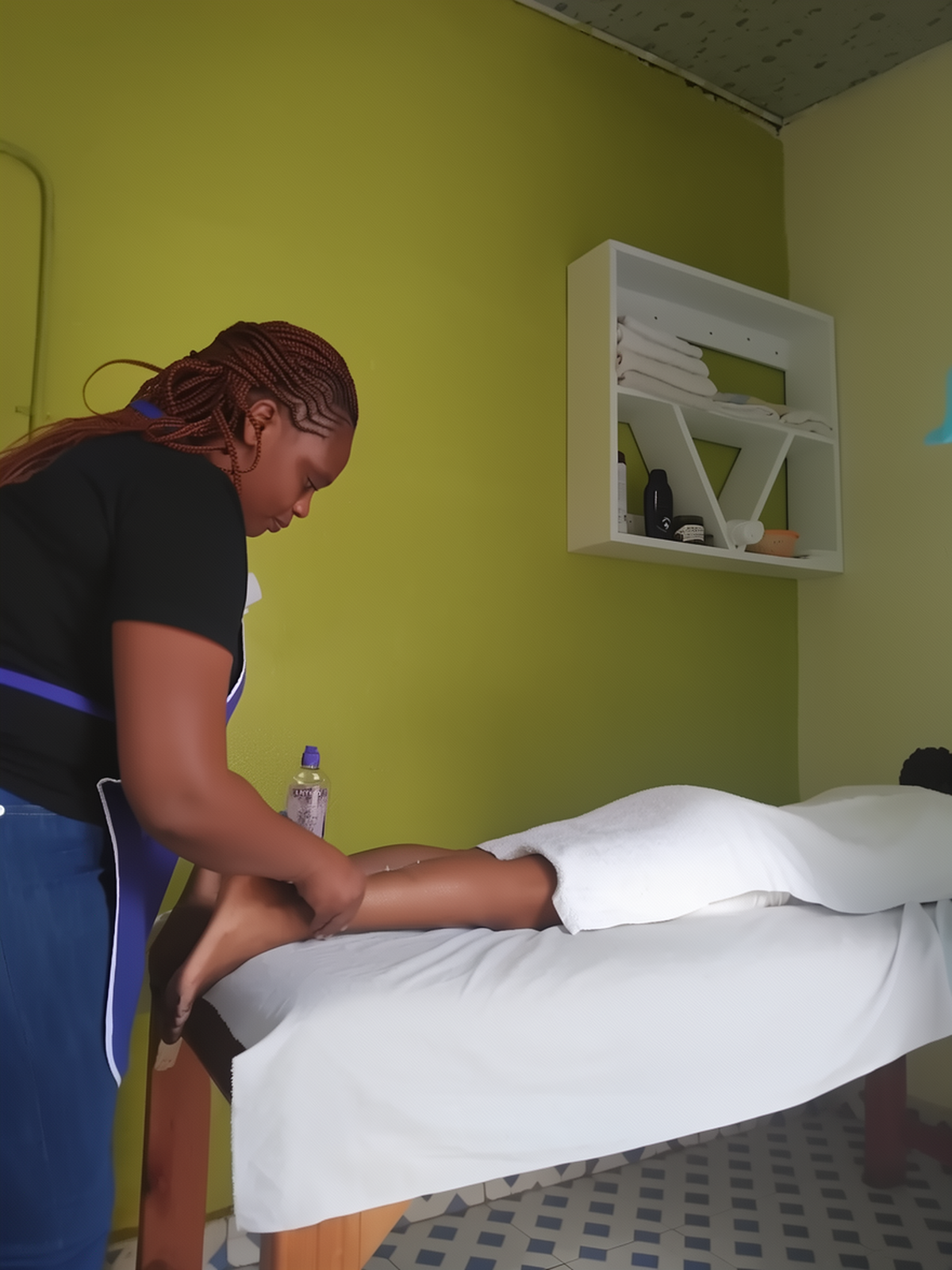
In Kenya, massage services are now available in a wide range of settings. Alongside luxury spas, you'll find independent therapists, wellness centres, physiotherapy practices, and community-based businesses offering professional treatments at different price points.
For many clients, regular massage has become similar to visiting the gym or attending a yoga class—it's simply another way to take care of their physical wellbeing rather than an occasional indulgence.
Myth 2: The More Painful the Massage, the Better It Works
It's common to hear people say things like, "If it doesn't hurt, it isn't doing anything." This belief often discourages first-time clients, especially those worried about experiencing unnecessary pain during treatment.
The Fact
Effective massage therapy should never involve unbearable pain.
Certain techniques, particularly deep tissue massage or trigger point therapy, may create temporary discomfort while working through particularly tight muscles. However, there is an important difference between productive pressure and excessive pain.
Professional therapists continually adjust their techniques based on client feedback. If the pressure feels too intense, they should reduce it. Pain causes muscles to tighten defensively, making treatment less effective and potentially leaving clients feeling sore for longer than necessary.
Everyone has a different pain tolerance and different treatment goals. Someone seeking relaxation may prefer gentle Swedish massage, while another person recovering from repetitive muscle strain may benefit from firmer pressure. Neither approach is inherently better than the other—they simply serve different purposes.
Good communication during the session is one of the best ways to ensure the treatment remains both comfortable and effective.
Myth 3: Massage Can Replace Medical Treatment
Some people believe massage therapy alone can cure chronic illnesses, heal serious injuries, or eliminate medical conditions without additional care.
The Fact
Massage therapy is a complementary therapy, not a replacement for professional medical treatment.
Massage may help reduce muscle tension, improve comfort, encourage relaxation, and support recovery in certain situations. However, it cannot cure fractures, infections, cancer, severe nerve damage, or many other medical conditions.
If you're experiencing persistent pain, unexplained swelling, numbness, fever, or significant mobility issues, it's important to seek assessment from a qualified healthcare professional before booking a massage.
In many cases, massage works best alongside conventional healthcare. Doctors, physiotherapists, chiropractors, and massage therapists often work together to help patients manage musculoskeletal conditions more effectively.
Responsible therapists understand these boundaries and will refer clients to medical professionals whenever symptoms fall outside the scope of massage therapy.
Myth 4: Only Athletes Need Massage Therapy
Sports massage has received considerable attention over the years, leading many people to assume massage is mainly for runners, footballers, gym enthusiasts, or professional athletes.
The Fact
Athletes are just one group that benefits from massage therapy.
In reality, some of the people who benefit most are those with relatively sedentary lifestyles. Office workers frequently develop tight shoulders, neck pain, and lower back discomfort from prolonged sitting. Drivers often experience stiffness after spending hours on the road. Hairdressers, teachers, nurses, retail workers, and construction professionals all place unique demands on their bodies that can contribute to muscular tension.
Massage is suitable for a broad range of people, including older adults, expectant mothers receiving prenatal care, individuals recovering from physically demanding work, and anyone looking to manage everyday stress.
The appropriate treatment simply depends on the person's lifestyle, health status, and goals.
Myth 5: One Massage Will Solve Long-Term Muscle Problems
It's understandable to hope that a single massage session will completely eliminate months—or even years—of muscle discomfort.
The Fact
While many people feel immediate relief after a massage, long-standing muscular issues usually require ongoing management.
Imagine developing poor posture over several years because of prolonged computer work. One massage may reduce muscle tension and improve comfort, but it won't permanently change movement patterns or workplace habits that contributed to the problem.
Similarly, athletes recovering from repetitive strain injuries often combine massage with stretching, strengthening exercises, and recovery strategies recommended by healthcare professionals.
Massage should be viewed as one part of a broader wellness plan rather than a one-time solution.
Myth 6: Massage Removes All the Toxins from Your Body
You may have heard claims that massage "flushes toxins" from muscles or completely detoxifies the body.
The Fact
This is one of the most widespread myths in the wellness industry.
Your body already has highly effective systems for removing waste products, primarily through the liver, kidneys, lungs, and digestive system. Massage does not replace or dramatically accelerate these natural processes.
So why do people often feel refreshed after a massage?
The answer is much simpler. Massage helps relax muscles, encourages temporary improvements in circulation, reduces stress, and promotes a sense of wellbeing. These effects can leave clients feeling energized without needing to rely on exaggerated detoxification claims.
Drinking water after a massage is still a good idea because staying hydrated supports overall health, but it isn't necessary because massage has supposedly released harmful toxins into the bloodstream.
Myth 7: Massage Is Only for Adults
Many people assume massage therapy is unsuitable for children or older adults.
The Fact
Massage can be adapted safely for different age groups when performed by appropriately trained professionals.
Gentle massage techniques may be suitable for older adults experiencing age-related muscle stiffness or reduced mobility. Specialized approaches also exist for children with certain medical or developmental needs, though these should always be provided by therapists with relevant training and experience.
Similarly, prenatal massage is specifically designed for pregnant women and differs significantly from standard massage techniques.
The key factor isn't age—it's ensuring the treatment is appropriate for the individual's health status and delivered by someone qualified to provide it.
Myth 8: You Have to Be Completely Undressed
Fear of feeling exposed prevents some people from booking their first massage.
The Fact
Professional massage therapy always prioritizes client comfort and privacy.
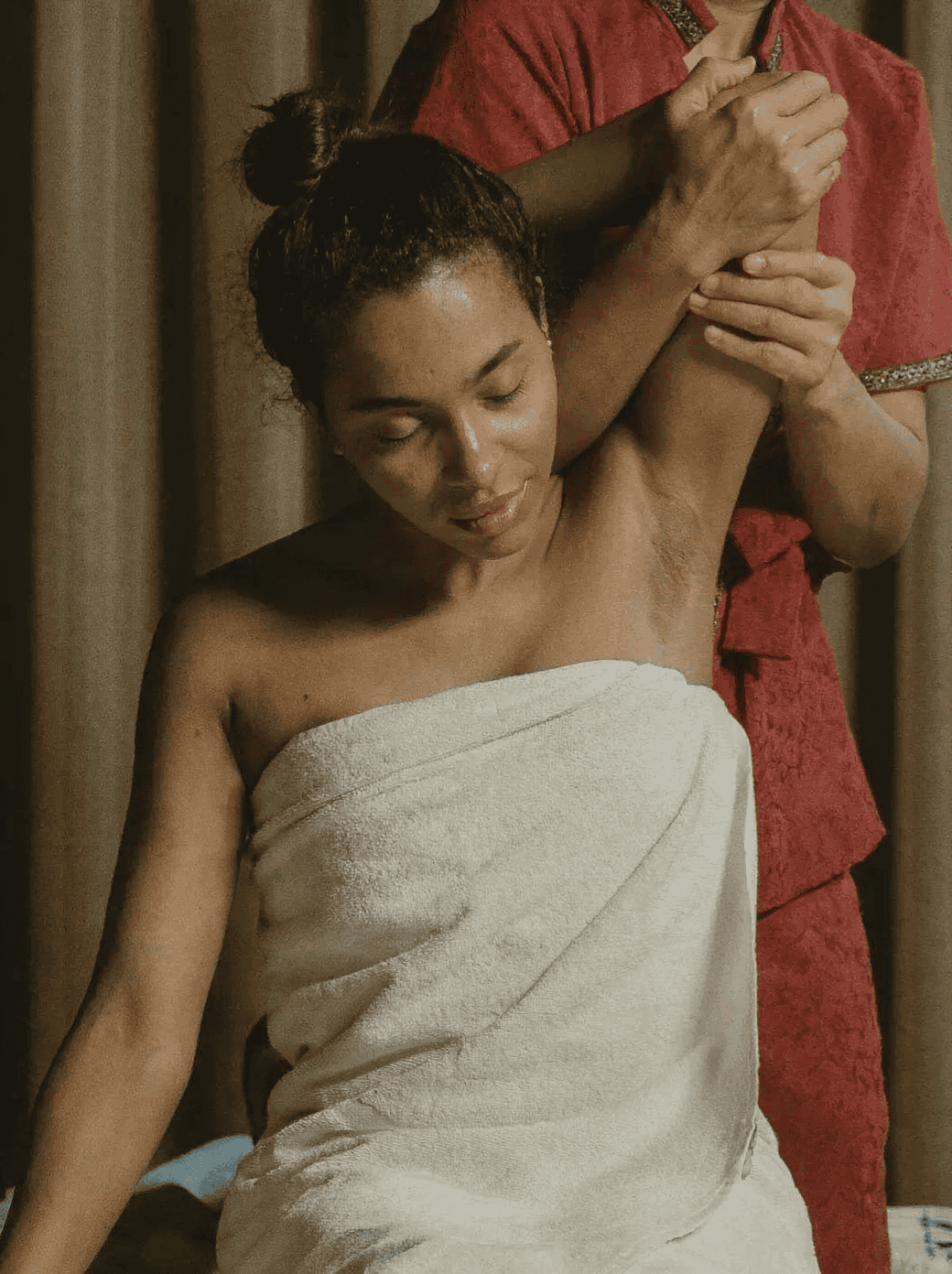
Depending on the type of massage, you may remove some clothing, remain partially clothed, or stay fully dressed. For example, Thai massage is often performed while clients wear loose clothing, while sports massage may require access to specific muscle groups.
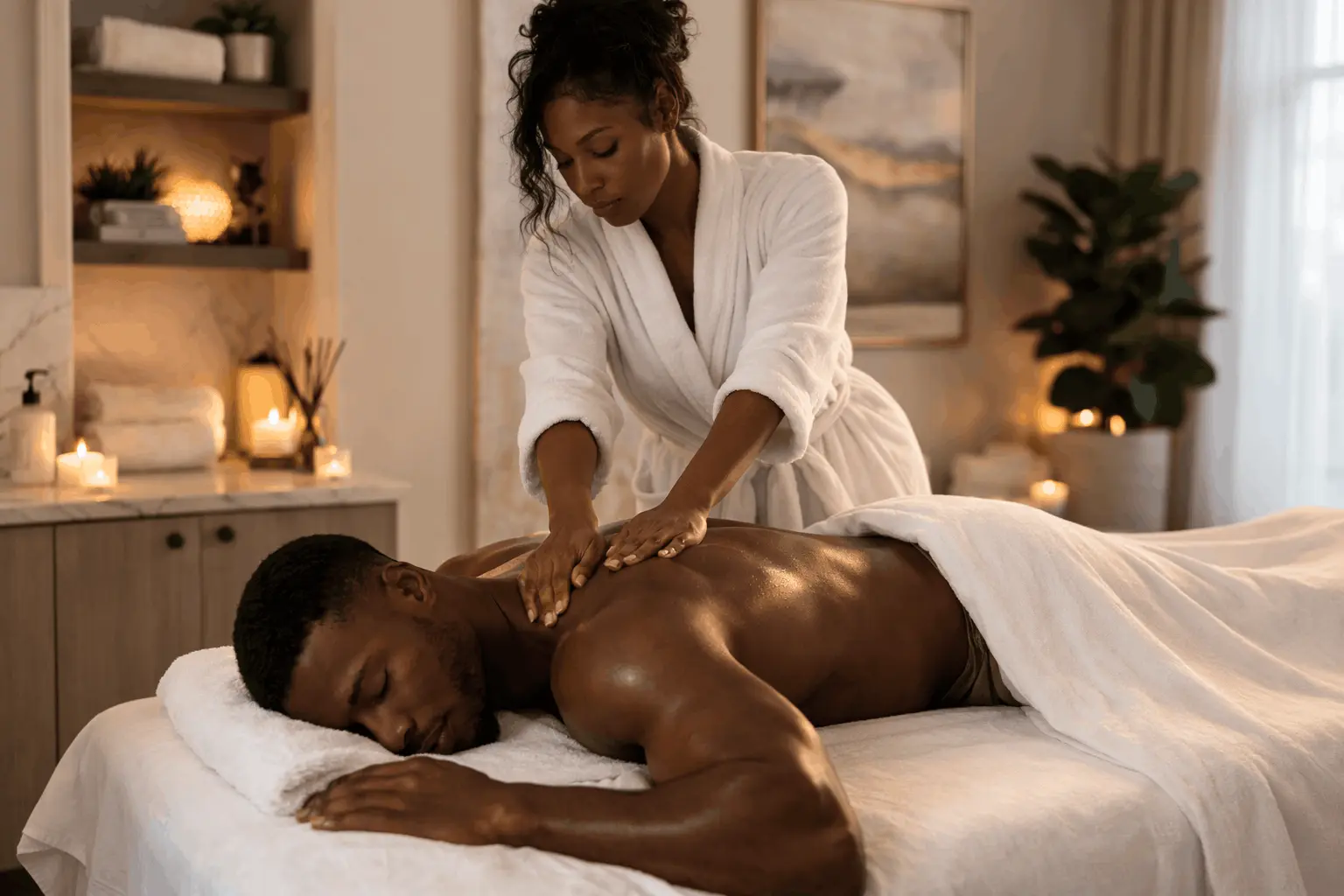
If you do change clothing, professional therapists use towels or sheets to cover your body throughout the session, exposing only the area currently being treated.
You should never feel pressured to remove more clothing than you're comfortable with, and therapists should always respect your boundaries.
Myth 9: Every Massage Is Exactly the Same
Some people think booking a massage simply means lying on a table while the therapist follows a standard routine.
The Fact
Massage therapy is highly individualized.
Professional therapists adjust pressure, techniques, treatment duration, and areas of focus based on each client's needs. Someone visiting for stress relief may receive a completely different treatment from a client recovering after a marathon or managing chronic shoulder tension.
There are also many different styles of massage, including Swedish massage, deep tissue massage, sports massage, hot stone massage, aromatherapy massage, reflexology, and prenatal massage. Each serves different purposes and uses different techniques.
This is why consultations before treatment are so important. They allow therapists to understand your goals and tailor the session accordingly.
Myth 10: Massage Has No Scientific Basis
Because massage has been practiced for thousands of years, some people assume its benefits rely entirely on tradition rather than evidence.
The Fact
Massage therapy has been studied extensively, particularly in relation to musculoskeletal health, stress management, and recovery from physical activity.
Research suggests that massage may help reduce muscle soreness after exercise, temporarily relieve certain types of pain, improve flexibility, reduce stress, and contribute to better sleep for many individuals. While scientists continue studying its full range of effects, massage is widely recognized as a valuable complementary therapy.
That said, responsible therapists avoid making exaggerated promises. Massage is beneficial for many people, but it isn't a miracle cure capable of solving every health problem.
Understanding the evidence helps clients appreciate both the strengths and limitations of massage therapy.
Myth 11: You Should Stay Silent Even If Something Feels Wrong
Some first-time clients believe they're expected to remain quiet throughout the session, even if the pressure feels uncomfortable.
The Fact
Open communication is encouraged during every professional massage.
If the room feels too cold, the music is distracting, the pressure is too strong, or a particular technique causes discomfort, tell your therapist. They can't adjust the treatment if they don't know how you're feeling.
Massage is a collaborative experience. The therapist brings professional knowledge, but you're the expert on your own comfort level. Speaking up doesn't make you a difficult client—it helps create a better and more effective session.
A therapist who welcomes feedback is usually one who prioritizes quality care and client safety.
Choosing Reliable Massage Services in Kenya
As massage therapy becomes more popular across Kenya, clients have more choices than ever before. That's a positive development, but it also makes selecting a qualified therapist increasingly important.
Rather than relying solely on social media advertisements or price comparisons, take time to research providers. Look for businesses with positive reviews, professional consultations, transparent pricing, and clean, well-maintained facilities. Therapists should be willing to answer questions about their experience, explain different treatment options, and discuss any concerns you may have before the session begins.
Online directories can also make the search easier. For example, The Real Plug helps users discover vetted professionals across Kenya, making it easier to compare reputable massage providers and other wellness services in one place.
Choosing a trusted therapist not only improves your experience but also ensures your treatment is delivered safely, professionally, and with your individual needs in mind.
Understanding the Facts Leads to Better Massage Experiences
Many of the myths surrounding massage therapy have developed through outdated assumptions, word of mouth, or misleading marketing. While these misconceptions are common, they don't reflect what professional massage therapy actually offers.
Massage isn't reserved for luxury, nor does it need to be painful to be effective. It doesn't replace medical care, guarantee instant cures, or exist only for athletes. Instead, it's a versatile therapy that can support relaxation, ease muscle tension, encourage recovery, and contribute to overall wellbeing when delivered by qualified professionals.
Understanding the facts helps you approach massage with realistic expectations. You'll be better equipped to choose the right type of treatment, communicate with your therapist, and recognize how massage fits into a healthy lifestyle alongside regular exercise, balanced nutrition, quality sleep, and appropriate healthcare.
Whether you're considering your first massage or looking to make it part of your ongoing wellness routine, separating myth from reality is the first step toward getting the most from every session.