

Living in Nairobi teaches you to be ready for small surprises. The lights can flicker in the middle of cooking supper. Water pressure can drop just when the washing machine is halfway through a cycle. Dust somehow finds its way behind the fridge even when you cleaned the kitchen last week. And, quietly, all these little things affect the appliances we depend on every day.
From apartments in Kilimani and South B to family homes in Karen, Roysambu, Kasarani, Umoja, and Ruiru, home appliances work hard. The fridge runs day and night. The cooker rarely gets a break. The washing machine handles school uniforms, work clothes, baby blankets, bedsheets, and everything in between. So when one machine starts misbehaving, the whole home feels it almost immediately.
The tricky part is knowing what you can handle yourself and what needs a trained technician. Some appliance problems are simple. Others look small but point to a bigger fault. This guide breaks down the common appliance problems Nairobi households face, what may be causing them, and when it is safer and smarter to call a professional.
Why Appliances in Nairobi Break Down So Often
Most appliance breakdowns do not happen out of nowhere. In Nairobi, they often build up slowly because of the way homes use power, water, and space.
Power fluctuations are a big issue in many estates. A sudden blackout, low voltage, or power surge can damage fridge compressors, washing machine control boards, microwaves, and electric cookers. You may not notice the damage immediately, but over time the appliance starts acting strange.
Dust is another common problem. Areas near busy roads, construction zones, or drier neighbourhoods like Mlolongo, Athi River, parts of Kiambu Road, and Utawala can be especially dusty. Dust blocks vents, coats fridge coils, clogs dryer filters, and makes motors work harder than they should.
Water quality also plays a role. Borehole water and hard water can leave mineral deposits inside washing machines, dishwashers, water dispensers, and kettles. Over time, this scale affects valves, heating elements, pipes, and filters.
Then there is heavy use. In a busy family home, a washing machine may run several times a week. In an Airbnb, appliances are used by different guests who may not handle them carefully. In small businesses, fridges, cookers, microwaves, and dryers can run almost all day. Even good appliances begin to wear down when they are pushed that hard.
Common Fridge Problems in Nairobi Homes
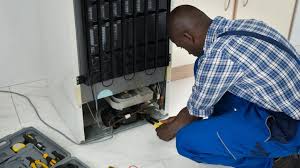
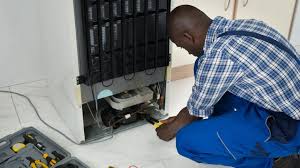
Fridge repair is one of the most requested home appliance repair services in Nairobi. It makes sense. A fridge is always on, and when it fails, food can spoil quickly.
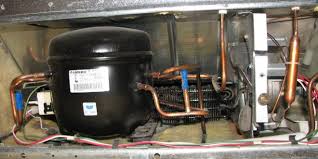
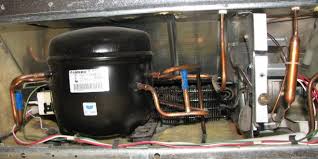
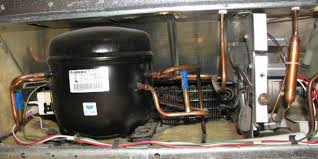
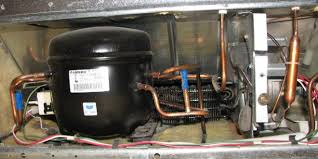
One of the most common complaints is a fridge that is running but not cooling. This can happen because of a faulty thermostat, dirty condenser coils, a weak compressor, refrigerant leakage, blocked vents, or a damaged fan. Many people assume the fridge needs a gas refill, but that is not always true. A good technician should test the system first instead of simply adding gas and hoping for the best.
Another common issue is ice build-up in the freezer. If your frost-free fridge keeps forming thick ice, the defrost system may not be working properly. The problem could be the defrost heater, timer, sensor, or control board. Switching off the fridge for a day may melt the ice temporarily, but if it returns after a short time, the real fault still needs repair.
Door seals are also easy to ignore. When the rubber seal is loose or cracked, warm air enters the fridge. The compressor then works harder to keep things cool, which increases electricity use and may shorten the fridge’s life. A simple paper test can help: close the fridge door on a piece of paper and try pulling it out. If it slides out too easily, the seal may not be gripping well.
When to Call a Fridge Technician
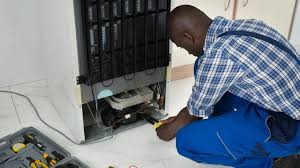
Call a technician if the fridge is not cooling after you have checked the thermostat and cleaned around the appliance. You should also get help if there is water pooling under the fridge, loud knocking sounds from the back, burning smells, repeated tripping, or a mild electric shock when touching the body.
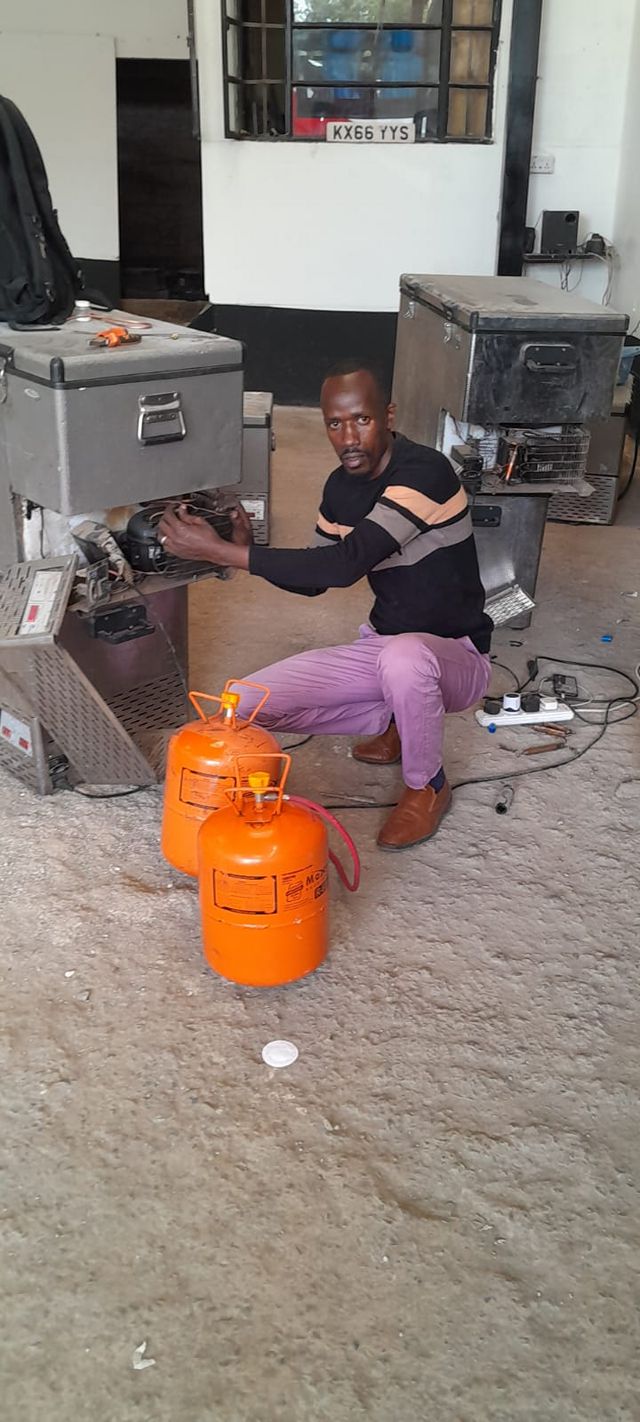
Fridge gas refills, compressor repairs, thermostat replacements, and electrical faults should be handled professionally. A verified technician can test for leaks, check pressure, inspect components, and repair the real issue instead of doing a quick temporary fix.
Washing Machine Problems That Disrupt Laundry Days
Washing machines have become common in many Nairobi homes, especially in apartments and busy households where handwashing everything is simply not practical. But when a washing machine fails, laundry piles up very fast.
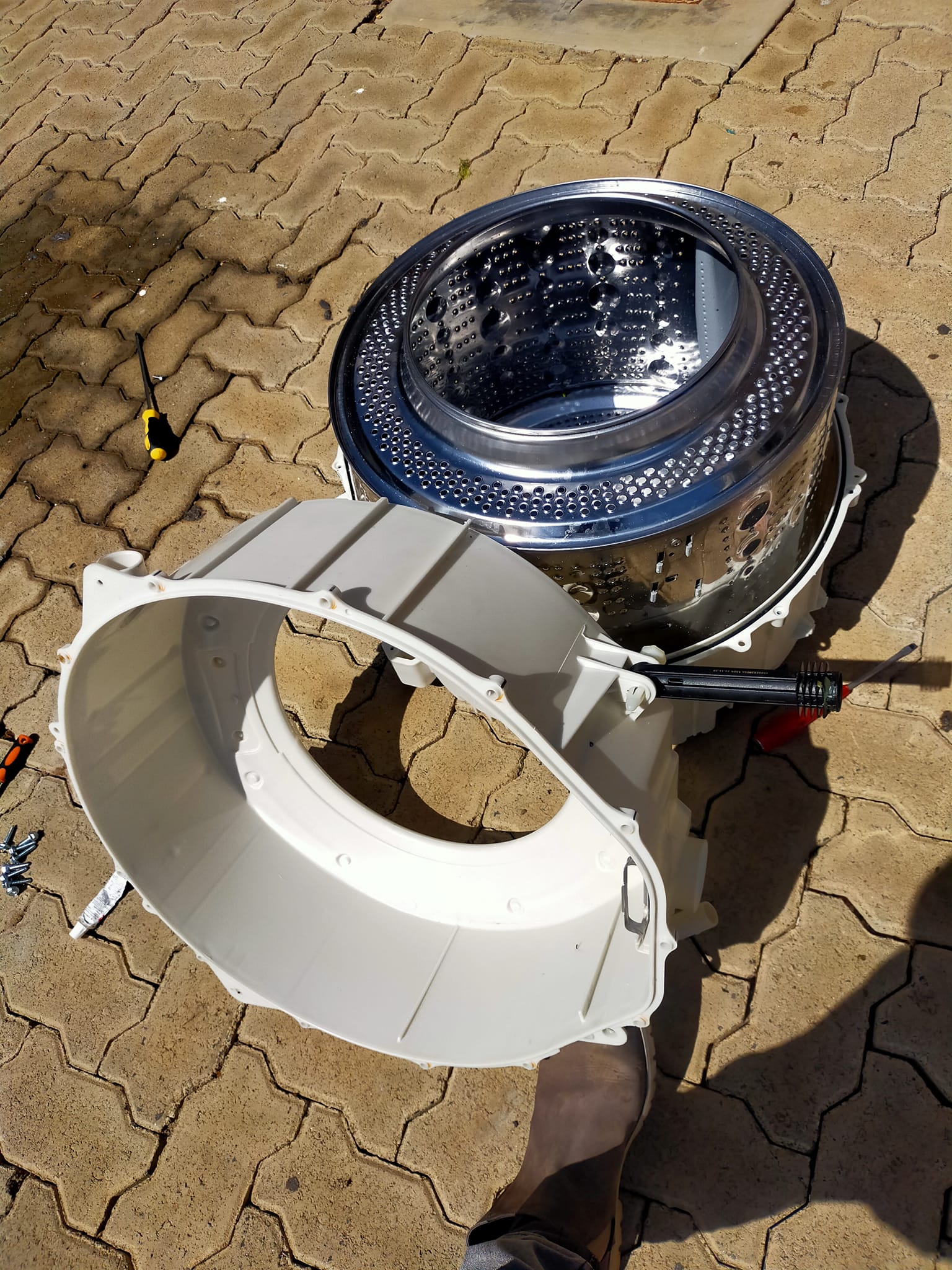
A machine that does not drain is often dealing with a blocked pump filter, clogged drain hose, or faulty drain pump. Coins, hairpins, lint, buttons, and even small pieces of fabric can get trapped inside the filter. Some machines have a small access panel at the bottom front where you can carefully check the filter. But if the machine still refuses to drain after cleaning, the pump may need professional repair or replacement.
Another common issue is failure to spin. Sometimes this happens because the clothes are unevenly loaded. Heavy blankets, towels, or jeans can throw the drum off balance. But if the machine still does not spin after redistributing the load, the issue could be a worn belt, motor fault, damaged brushes, weak capacitor, or control board problem.
Excessive shaking is also common, especially in tiled apartment laundry areas. A washing machine that is not level will vibrate badly. But if it keeps “walking” across the floor even after proper leveling, the suspension rods, shock absorbers, bearings, or drum support may be worn out.
Bad smells are another problem many people quietly tolerate. Warm moisture, detergent residue, and hard water can create a musty smell inside the drum. Running an empty hot wash with a washing machine cleaner or white vinegar can help. If clothes still come out smelling stale or with grey marks, the machine may need a deep professional clean.
When to Call a Washing Machine Technician
Call a technician if the machine leaks from underneath, trips the power, refuses to fill, refuses to drain after filter cleaning, makes grinding noises, or the drum does not turn at all. You should also get professional help if the machine vibrates violently, especially if it has already been leveled.
Ignoring these signs can turn a small repair into a bigger one. A blocked pump can become a burnt-out pump. A worn bearing can damage the drum. A simple installation problem can eventually affect the motor or cabinet.
Cooker and Oven Problems You Should Not Ignore
Cookers are used heavily in Nairobi homes. Whether it is a basic gas cooker in Pipeline, a freestanding cooker in Donholm, or a built-in oven in Runda, the same rule applies: anything involving gas or electricity deserves caution.
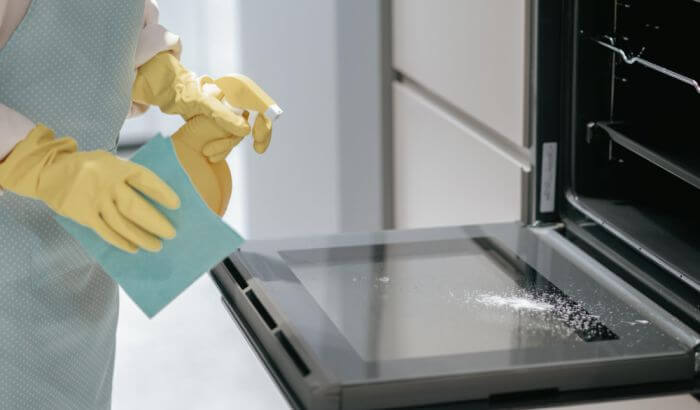
Gas cookers often develop weak flames, yellow flames, blocked burners, faulty igniters, and gas smells. A blue flame usually means proper combustion. A yellow or orange flame may suggest blocked burner holes, poor air mixture, or regulator issues. You can clean removable burner caps gently, but avoid poking aggressively into jets or tampering with gas lines.
If the igniter keeps clicking but the burner does not light, check whether the cooker is plugged in if it uses electric ignition. If it is connected and still fails, the igniter, spark module, or wiring may be faulty.
Electric cookers and ovens have different issues. An oven that is not heating may have a burnt heating element. Uneven baking can point to a thermostat problem, fan issue, or faulty element. A plate that stays cold while others work may have a damaged switch or internal wiring fault.
When to Call a Cooker or Oven Technician
Gas smells should never be ignored. Turn off the gas supply, open windows, avoid lighting matches or switching electrical appliances on and off, and call a qualified technician. Do not test for leaks using a flame.
You should also call a technician if the oven trips power, produces a burning smell, heats unevenly, or the cooker’s electrical parts spark. Built-in cookers and ovens need extra care because poor handling can damage cabinets, wiring, or gas connections.
Microwave, Dishwasher, Dryer, and Water Dispenser Faults
Smaller appliances can be easy to overlook until they stop working completely.
Microwaves commonly run without heating, spark inside, stop rotating, or shut off suddenly. A microwave that runs but does not heat may have a faulty magnetron, diode, capacitor, or transformer. This is not a safe DIY repair because microwave capacitors can hold dangerous charge even after the appliance is unplugged.
Dishwashers are becoming more common in modern Nairobi apartments, townhouses, and Airbnb units. Common faults include poor cleaning, water remaining at the bottom, leaks, bad smells, and cloudy dishes. Hard water can clog spray arms and leave residue on glasses and plates.
Tumble dryers often take too long to dry clothes, overheat, make noise, or stop producing heat. In dusty environments, lint build-up can become a serious fire risk. Cleaning the lint filter after every load is important, but if the dryer still overheats or smells like burning, it needs inspection.
Water dispensers may leak, fail to heat, fail to cool, or produce water with an odd taste. Offices, salons, clinics, schools, and shops often depend on them daily, so small faults should be handled early.
DIY or Call a Professional?
Nairobians are practical people. Many of us will try a small fix before spending money, and sometimes that is perfectly fine.
You can safely clean fridge coils, remove lint from a dryer filter, clean a washing machine pump filter, wipe cooker burners, level a washing machine, or check whether an appliance is properly plugged in. These are simple maintenance tasks.
But draw the line at gas connections, sealed fridge systems, compressor work, control boards, internal wiring, microwave repairs, and anything that causes electric shocks, burning smells, or repeated tripping. These are not trial-and-error jobs.
A simple rule helps: if the repair needs specialist tools, involves gas or high voltage, or you are not sure what the part does, call a technician.
How to Find a Reliable Appliance Technician in Nairobi
The hardest part is not always the repair itself. It is finding someone who shows up on time, diagnoses honestly, uses proper parts, and does not disappear after payment.
Referrals from neighbours, caretakers, friends, and estate WhatsApp groups can help. But they are not always enough. A technician who fixed one person’s fridge may not understand your inverter washing machine, built-in oven, Bosch dishwasher, or commercial freezer.
This is where a vetted professional platform can make the search easier. The Real Plug, available at https://therealplug.online/, helps users find professionals in Kenya, including appliance repair technicians. Instead of relying only on random contacts, you can start from a more organised place, compare service providers, and look for someone who fits the appliance and location you are dealing with.
For searches like appliance repair in Nairobi, fridge repair in Kenya, washing machine repair in Nairobi, cooker repair in Kenya, or appliance technician near me, using a trusted platform gives you a better starting point.
Preventive Habits That Reduce Repair Costs
Most appliance emergencies begin as small signs. A fridge gets louder. A washer starts shaking. A cooker flame changes colour. An oven takes longer to heat. These early warnings are worth paying attention to.
For fridges, leave space behind the appliance for airflow and clean the coils every few months. For washing machines, avoid overloading and use the right detergent. For cookers, clean spills before they harden and block burner holes. For dryers, clean the lint filter after every load. For appliances with sensitive electronics, use a surge protector or voltage guard where possible.
Landlords, Airbnb hosts, restaurants, salons, offices, and small businesses should consider scheduled maintenance. A technician visit every few months can prevent breakdowns during busy periods and reduce emergency repair costs.
The Cost of Waiting Too Long
Appliances rarely fail without warning. The warning signs are usually there, but it is easy to ignore them when life is busy. Unfortunately, waiting can make the repair more expensive.
A loose fridge seal can lead to compressor strain. A clogged washer pump can become a burnt-out pump. A dirty dryer vent can cause overheating. A small cooker gas leak can become a serious safety issue.
Calling early gives you time to compare technicians, plan for spare parts, and avoid panic decisions. Waiting until the appliance completely fails often means paying more and accepting whoever is available immediately.
Final Thoughts
Home appliance repair in Nairobi is part of everyday life. Fridges, washing machines, cookers, ovens, microwaves, dryers, dishwashers, and water dispensers all need attention at some point. The key is knowing when a problem is minor and when it needs professional help.
Handle the simple maintenance tasks, but do not gamble with gas, electricity, compressors, control boards, or repeated faults. A good technician will not just fix the appliance. They will explain the problem, repair it safely, and help you avoid the same issue in future.
And when you are not sure where to start, platforms like The Real Plug can help you find vetted professionals instead of guessing from random numbers online.