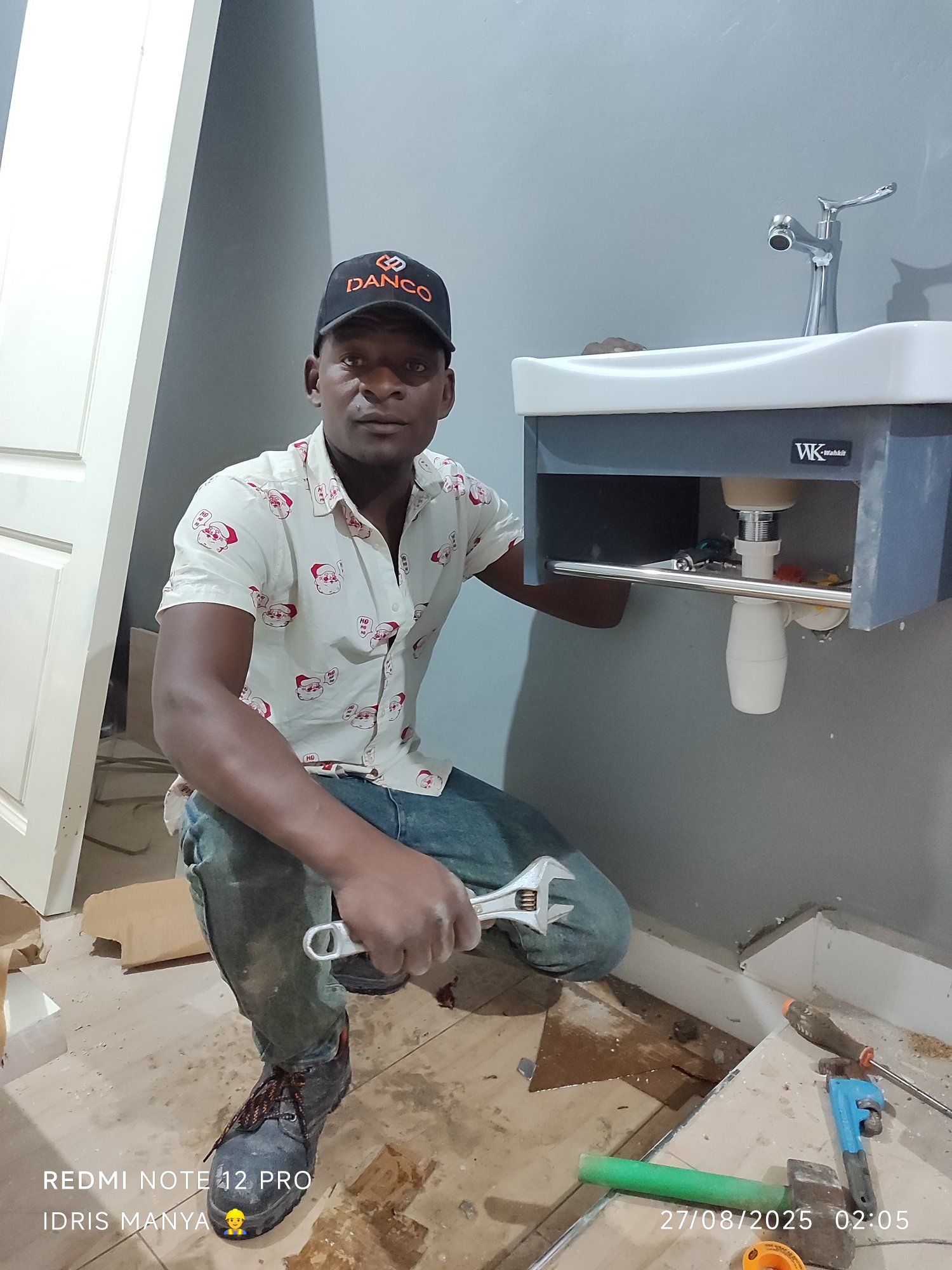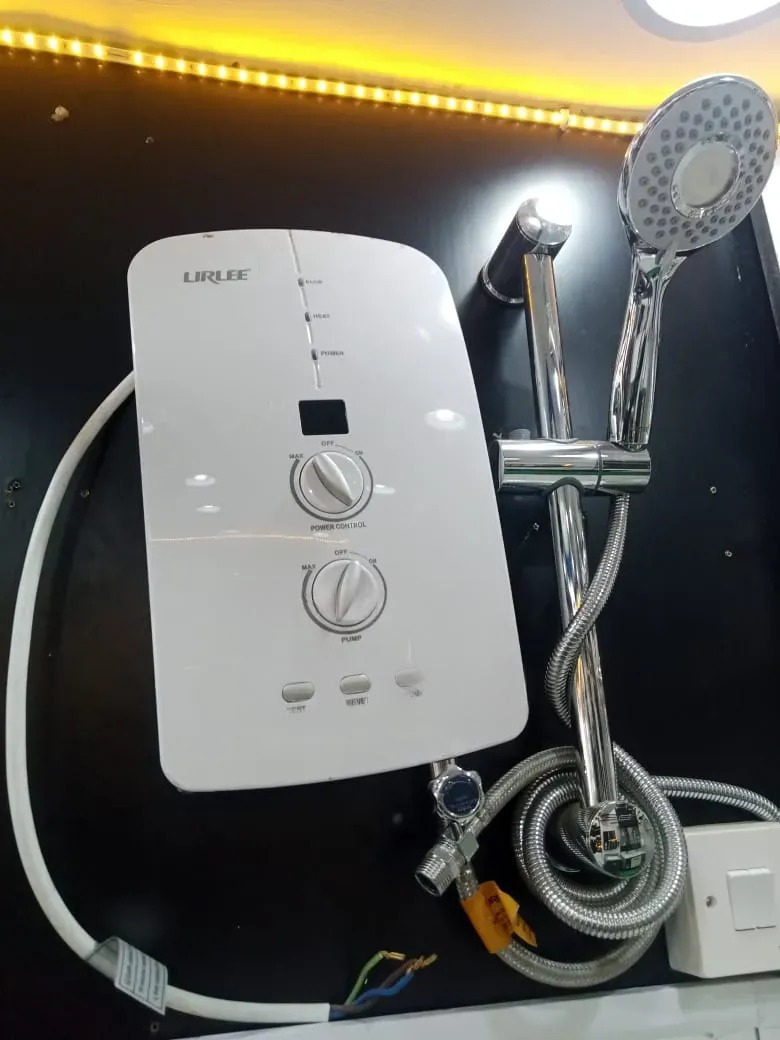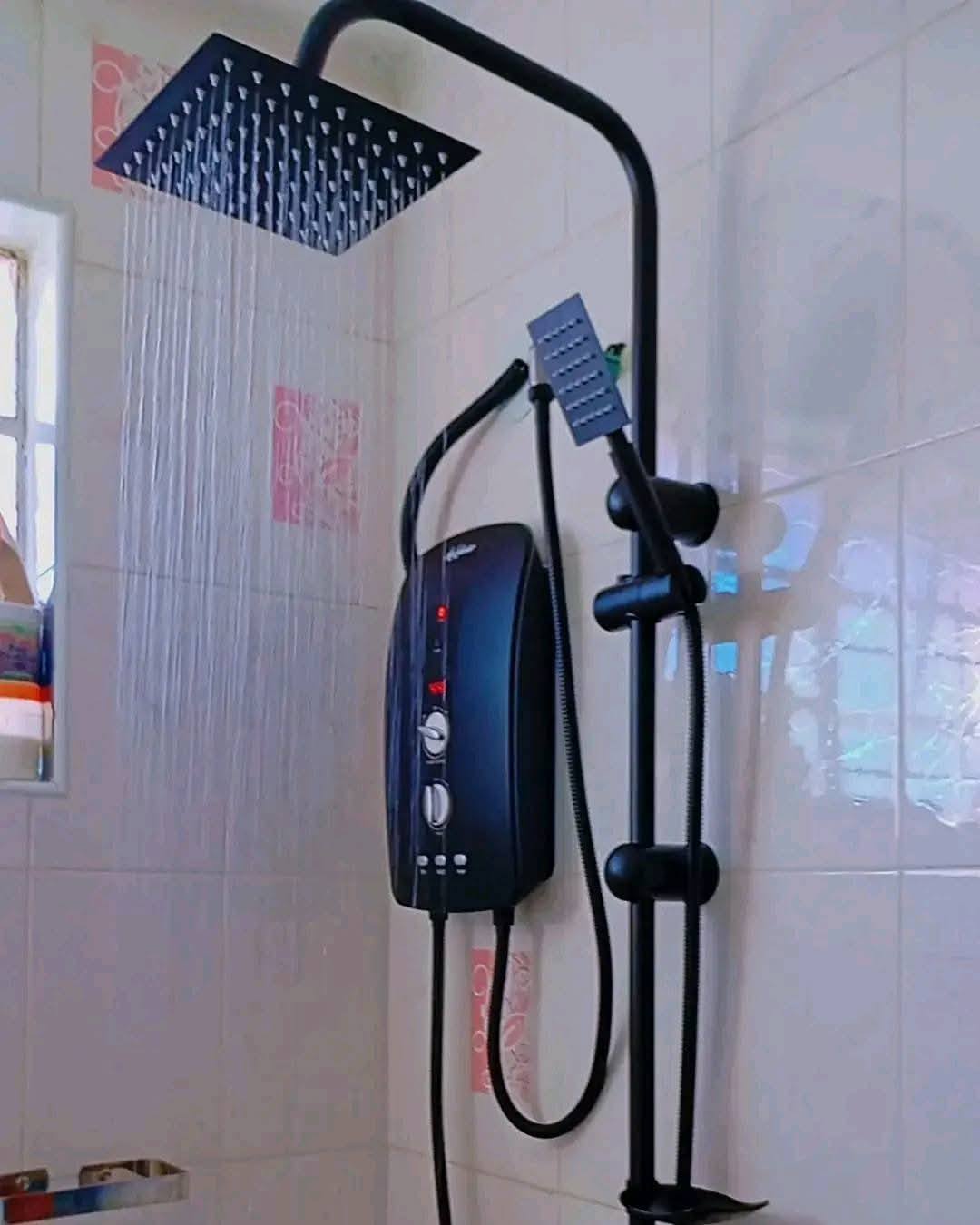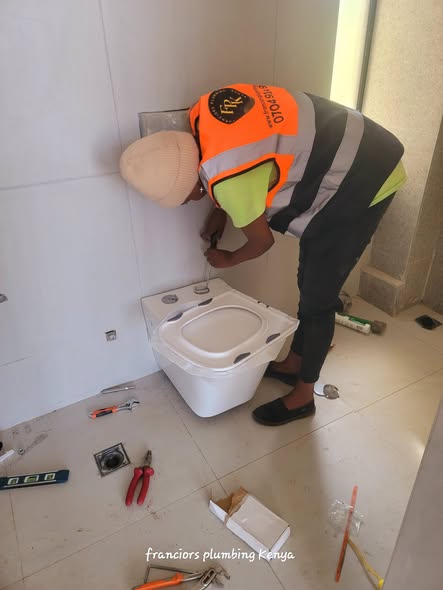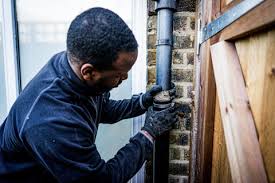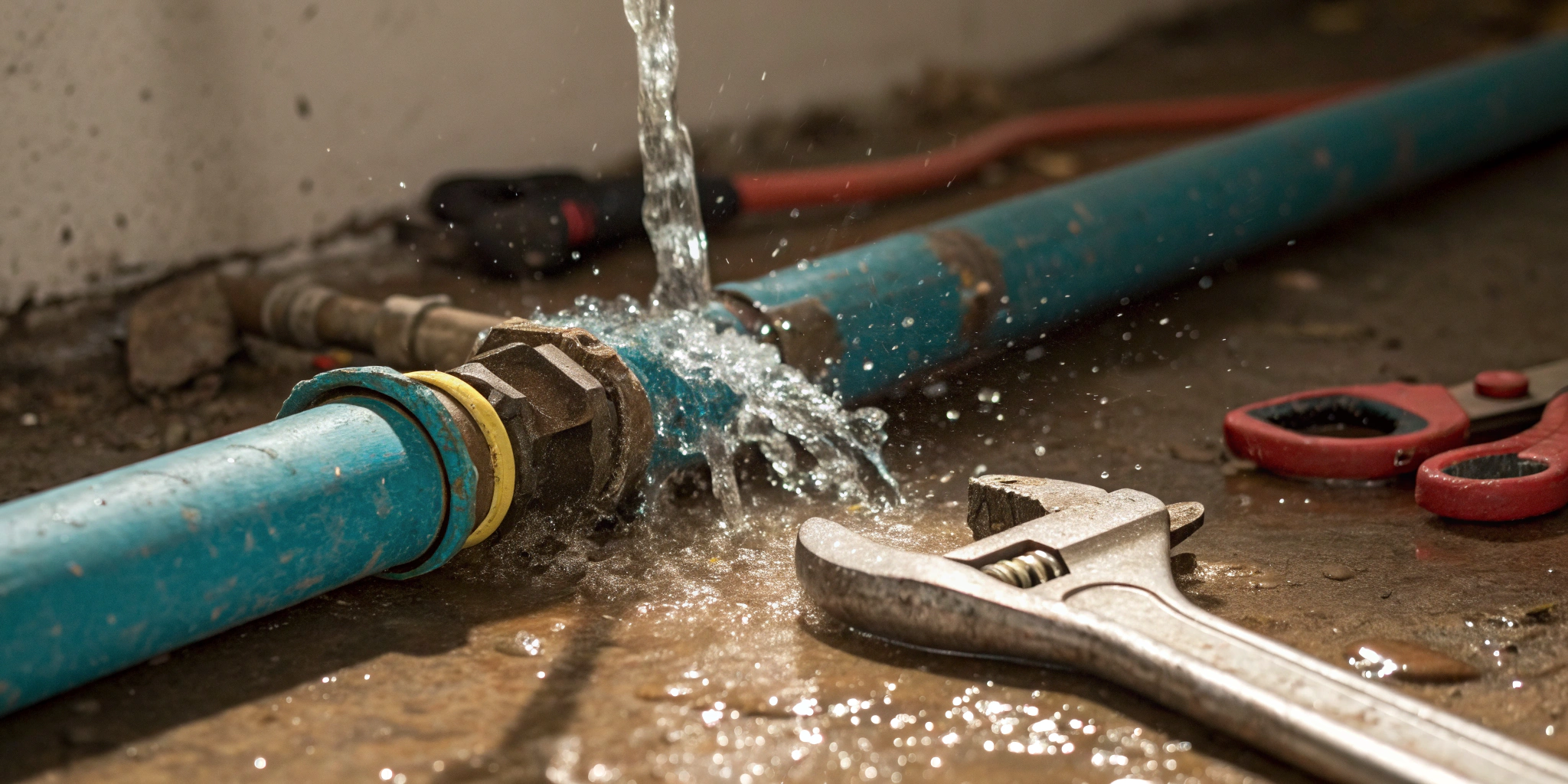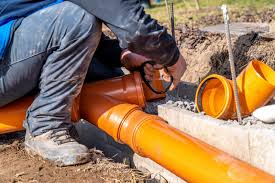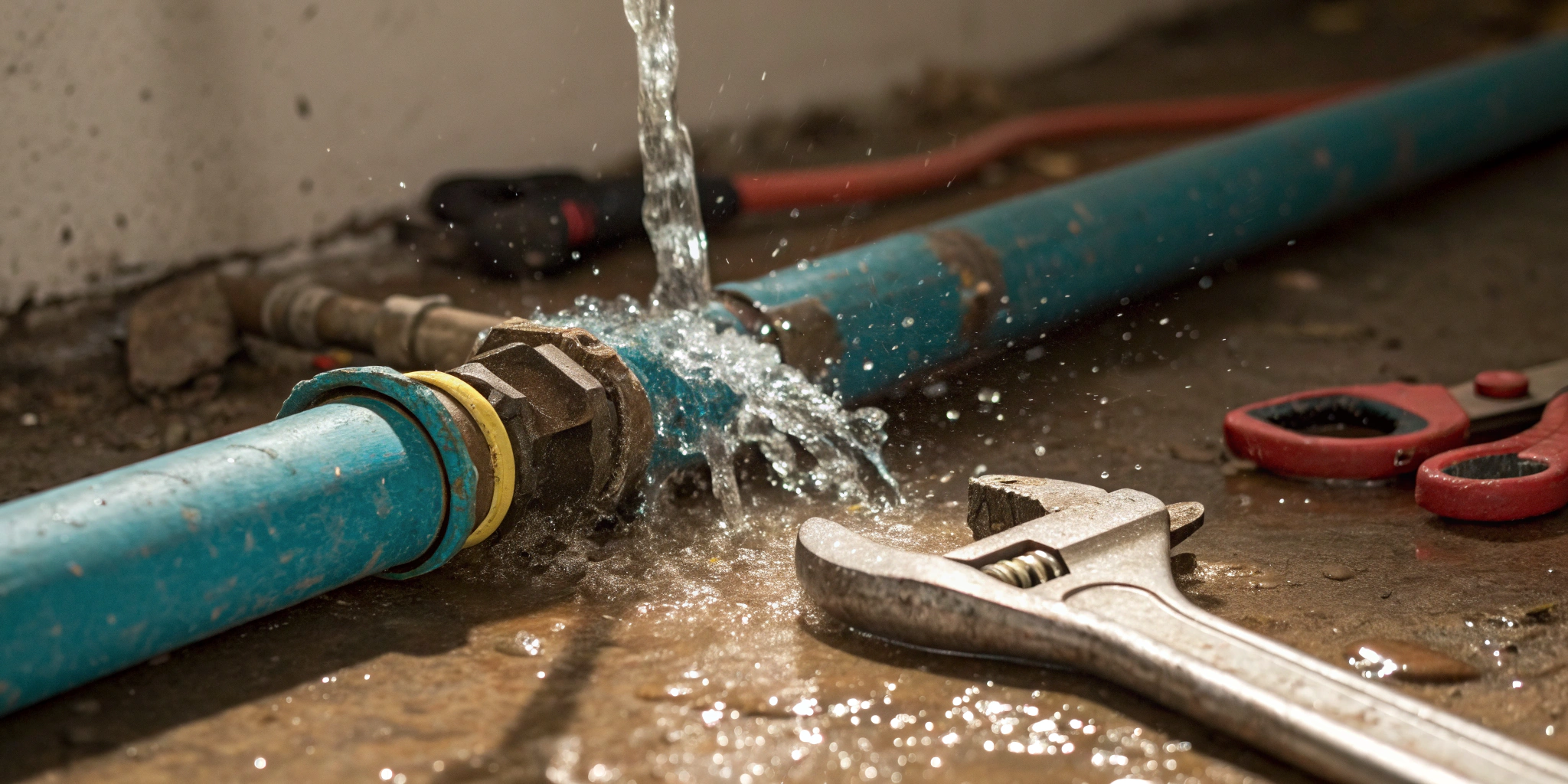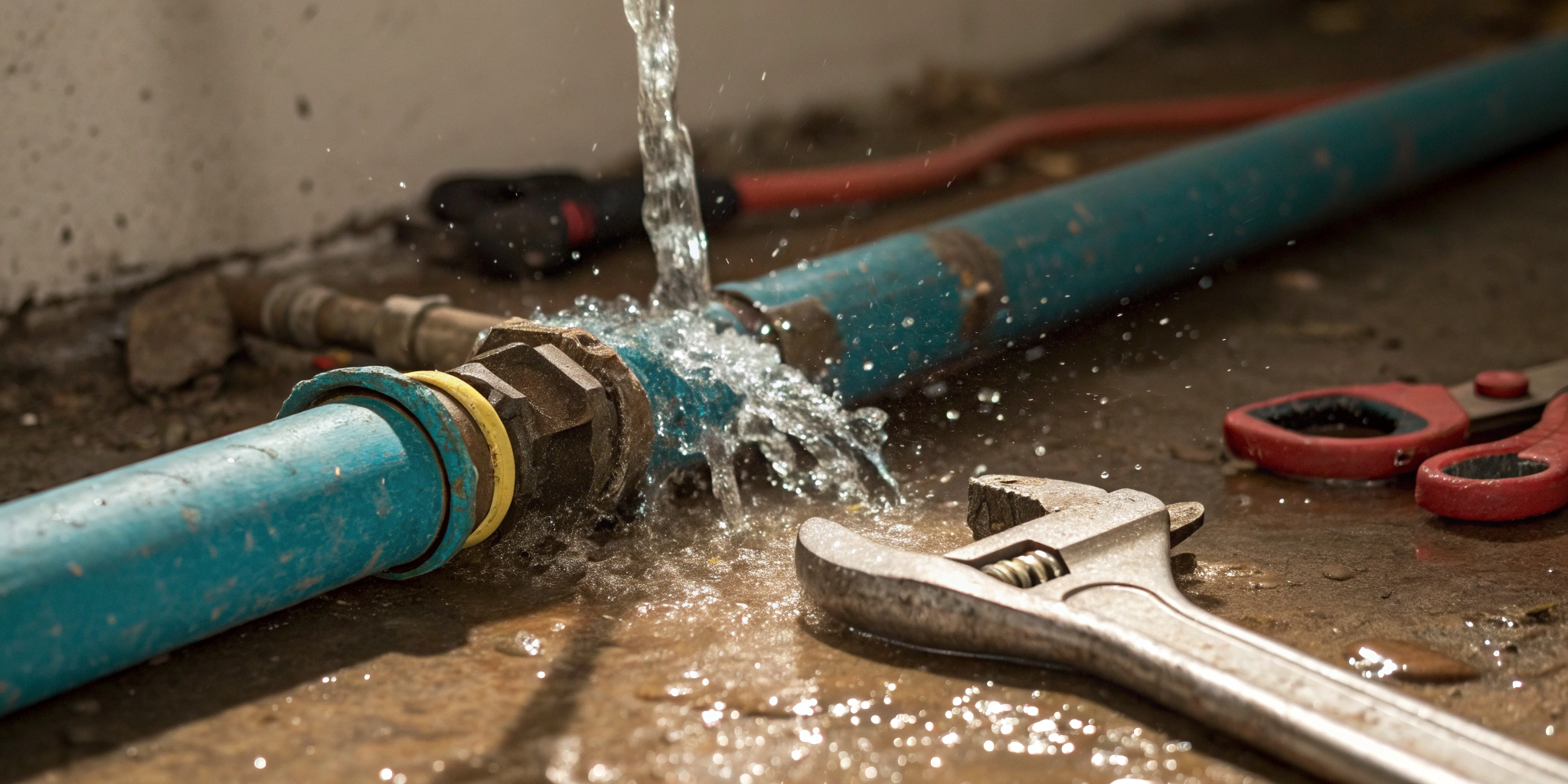


Plumbing in Kenya has quietly become one of the most practical career paths for young people, career changers, and skilled hands looking for steady work. It is no longer just about tightening a loose tap or unblocking a kitchen sink. Today’s plumber may be asked to install PPR piping in an apartment block in Syokimau, set up solar water heating in a Kiambu home, or troubleshoot drainage in a busy restaurant in Mombasa.
That shift has made proper training more important than ever. A person can still learn a lot on-site, and many excellent plumbers started that way. But if you want to handle bigger jobs, work with contractors, or win the trust of serious clients, a good trade school gives you a stronger foundation.
Why Plumbing Training Matters in Kenya
There is nothing wrong with learning under an experienced fundi. In fact, apprenticeship is still one of the best ways to understand real job pressure. You learn how clients behave, how sites operate, and how to solve problems quickly.
The challenge is that site-only learning can leave gaps. You may become good at repairs but struggle with technical drawings. You may install sinks well but feel lost when asked about pipe sizing, drainage slope, pressure testing, or safety standards.
Trade schools help fill those gaps. A strong plumbing course teaches water supply systems, drainage, sanitary fittings, pipe joining, basic welding, measurements, safety, and interpretation of construction drawings. This knowledge becomes useful when working on apartments, hotels, schools, hospitals, and county water projects.
Certification also matters. Many employers, developers, and project managers now prefer plumbers with NITA or TVET qualifications. For government-related work, tenders, and larger construction jobs, paperwork can be just as important as experience.
What to Check Before Choosing a Plumbing School
Not every institution that advertises plumbing training offers the same quality. Before enrolling, it is worth visiting the school if possible. Look at the workshop. Are students working with real pipes, fittings, test rigs, and tools? Or is the course mostly theory in a classroom?
A good plumbing school should have practical training, qualified trainers, recognized certification, and links to attachment opportunities. Attachment is especially important because that is where students meet real construction timelines, difficult installations, and client expectations.
Fees also matter. Plumbing course costs vary depending on the school, level, and whether accommodation is included. While it is tempting to pick the cheapest option, poor training can cost you more later through missed jobs and weak confidence.
Kenya Industrial Training Institute, Nakuru
Kenya Industrial Training Institute, commonly known as KITI, is one of the better-known technical institutions for hands-on skills. Its plumbing and pipe fitting training is respected because it focuses heavily on practical work.
Students learn domestic plumbing, pipe installation, fittings, repairs, and industrial pipework basics. The institution’s long history in technical training also gives it credibility among employers.
KITI is a good option for students who want solid training outside Nairobi while still accessing a serious technical environment. Competition for places can be high, so early application is usually wise.
Nairobi Technical Training Institute, Nairobi
Nairobi Technical Training Institute is a practical choice for learners based in the capital. Its location is a major advantage because Nairobi has many construction sites, maintenance companies, property managers, and suppliers.
Students training in plumbing here can benefit from attachment opportunities in areas such as Industrial Area, Eastlands, Westlands, and upcoming housing projects around the city. For someone who wants to study while staying close to Nairobi’s job market, this can be a smart move.
The training typically covers water supply systems, drainage, fittings, technical drawing, and maintenance skills. Being in Nairobi also helps students start building contacts early.
Sensei Institute of Technology, Nairobi and Nakuru
Sensei Institute is popular with learners who want practical, job-focused training. It is especially useful for people who may not want a long academic route but still need recognized skills and certification.
Their plumbing and pipe fitting programs are suitable for beginners, working fundis, and people changing careers. The practical approach helps students gain confidence with tools, pipe joining, and common installation tasks.
Weekend or flexible classes can also be helpful for people already doing small plumbing jobs but wanting to upgrade their skills formally.
Rift Valley Technical Training Institute, Eldoret
Rift Valley Technical Training Institute is a strong option for learners from the North Rift, Western Kenya, and surrounding counties. Eldoret’s construction sector has grown steadily, creating demand for trained plumbers in homes, institutions, and commercial buildings.
The school offers technical training in a more affordable environment compared to Nairobi. Students can also find attachment opportunities in local construction projects, hospitals, schools, and maintenance departments.
For students from Uasin Gishu, Trans Nzoia, Kakamega, or nearby areas, RVTTI can be a practical choice without the extra cost of relocating to the capital.
Mombasa Technical Training Institute, Mombasa
Plumbing at the Coast comes with its own realities. Humidity, salty air, hotels, apartments, and tourism facilities create different technical demands. Corrosion, water storage, drainage, and high-end fittings are common concerns.
Mombasa Technical Training Institute gives learners exposure to this coastal environment. Students planning to work in Mombasa, Kilifi, Kwale, or Lamu may benefit from training close to the kind of projects they are likely to handle later.
The coastal region also offers opportunities in hotels, rental apartments, institutions, and marine-related facilities, making Mombasa a useful training base for aspiring plumbers.
Nyeri National Polytechnic, Nyeri
Nyeri National Polytechnic is another solid choice, especially for learners from Central Kenya and the Mt. Kenya region. The institution offers technical training in a town with lower living costs than Nairobi, which can make studying more manageable.
Students can start at lower levels and progress as they build confidence. This is useful for learners who want a step-by-step path instead of rushing straight into advanced training.
Nyeri’s location also gives access to construction and maintenance opportunities in schools, hospitals, homes, and county projects across the region.
Building a Career After Trade School
Finishing school is only the beginning. The real test starts when you enter the field. Take attachment seriously, even when the tasks feel small. Carrying pipes, preparing fittings, testing lines, and cleaning up after installation all teach discipline.
Keep photos of your work. Record the types of jobs you have handled. Over time, this becomes your portfolio. Many clients want proof before trusting a new plumber, especially for larger jobs.
You should also learn how to quote properly, write invoices, communicate clearly, and keep time. A skilled plumber who handles clients professionally will always stand out.
Online visibility is becoming important too. Many Kenyans now search online when they need reliable services. Platforms such as The Real Plug help people find vetted professionals, which can be useful for trained plumbers who want to build trust beyond word of mouth.
Final Thoughts
The best trade school for plumbing is not just the one with a popular name. It is the one that gives you real workshop time, recognized certification, practical attachment, and confidence to work in the field.
Kenya will continue building homes, apartments, hotels, schools, hospitals, and water systems. All of them need skilled plumbers. With the right training, good tools, patience, and professionalism, plumbing can grow from a simple trade into a steady, respected career.