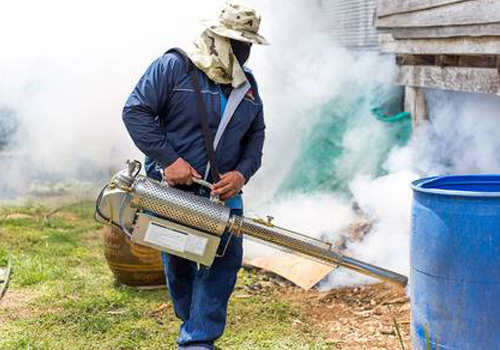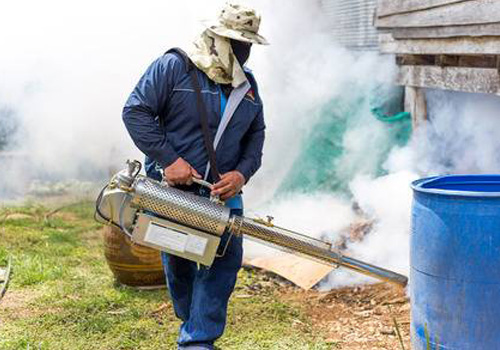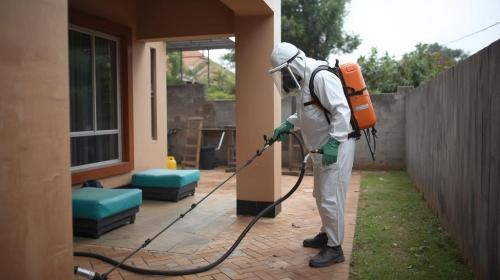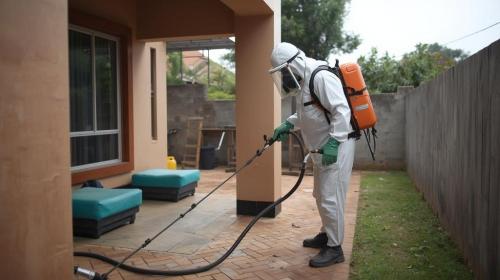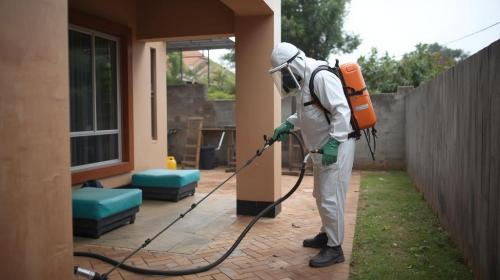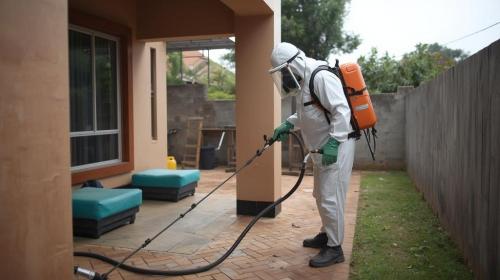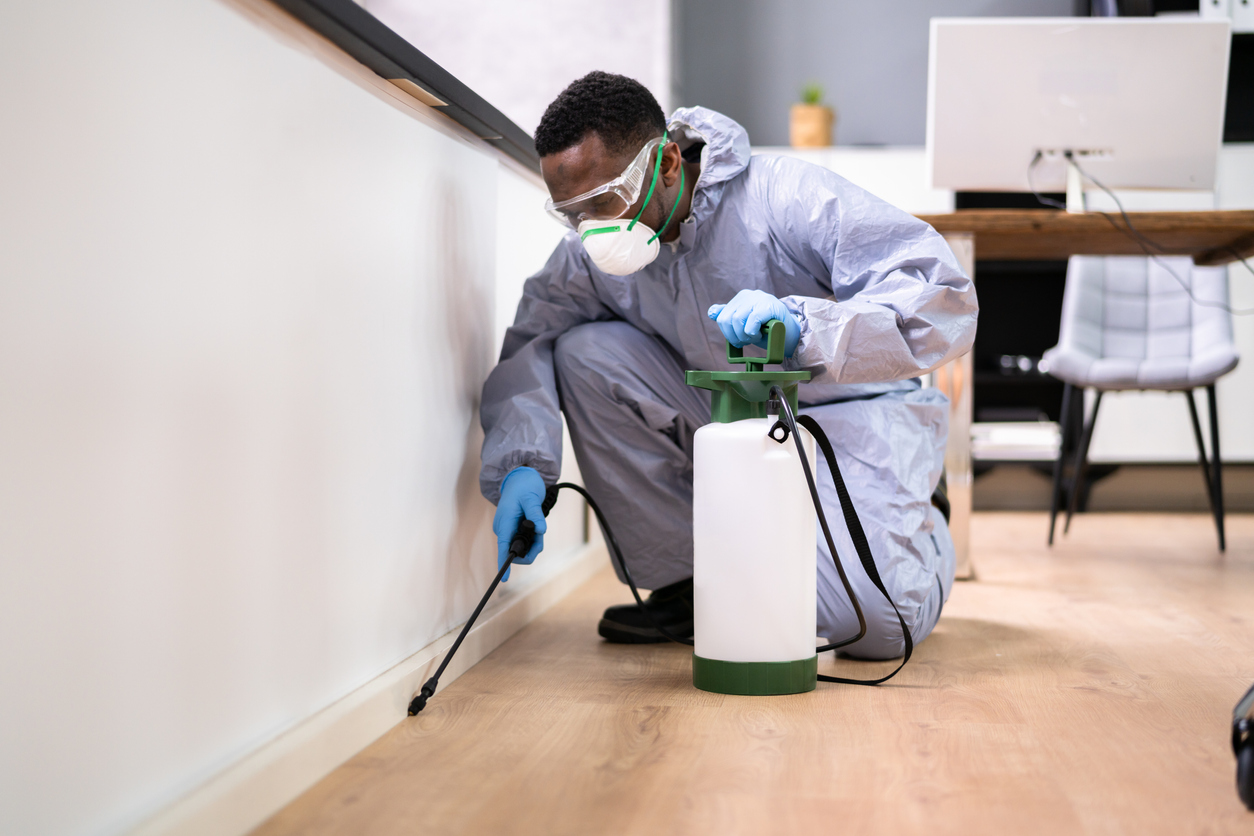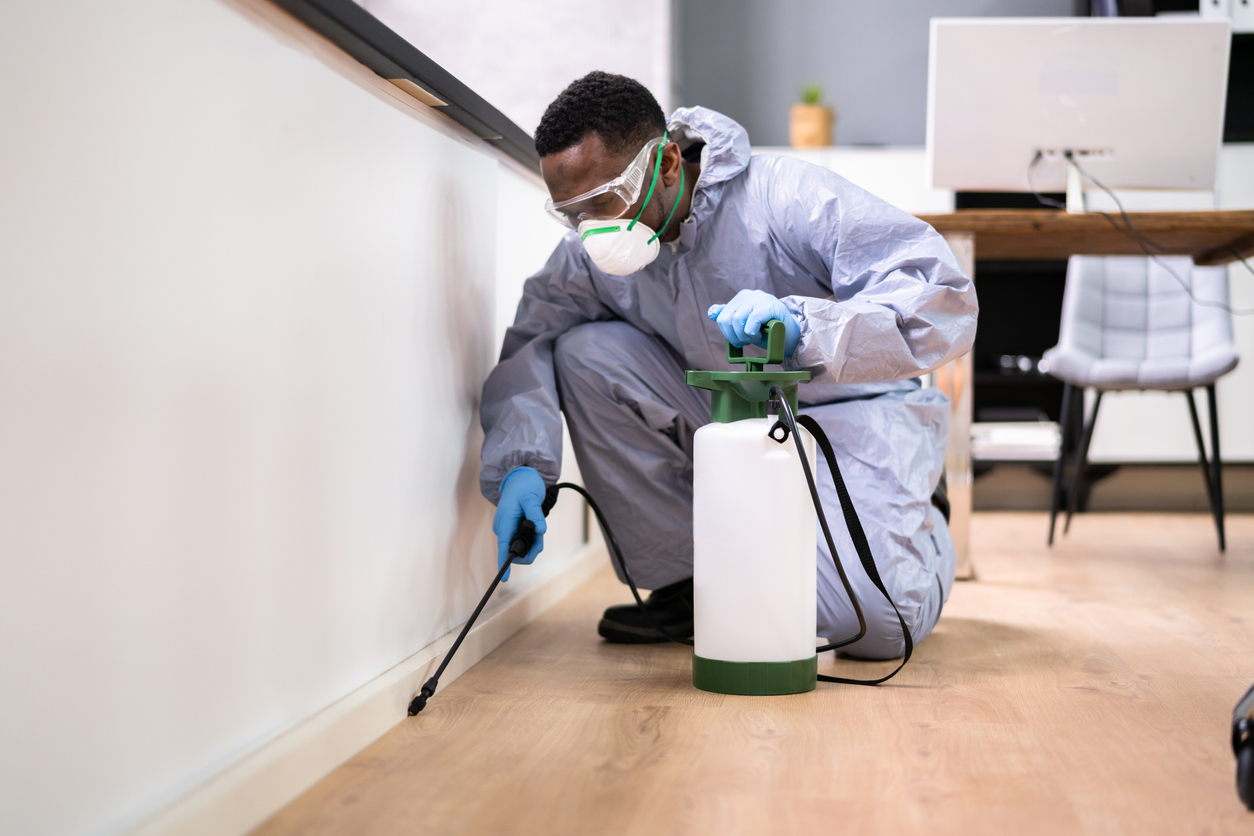


Starting a fumigation business in Kenya can look like a practical opportunity, especially when you consider how common pest problems are in homes, rentals, restaurants, farms, schools, stores, and offices. Bedbugs disturb tenants in Nairobi apartments and student hostels. Cockroaches are a daily headache in food businesses. Termites damage homes in coastal towns, rural areas, and fast-growing estates. Rodents cause problems in markets, warehouses, and restaurants. The demand is clearly there.
But fumigation is not the kind of business you should start casually with only a sprayer, a reflector jacket, and a few chemicals from an agrovet. You are dealing with pest control products that can affect people, pets, food, water, property, and the environment if used wrongly. That is why the question many beginners ask matters: do you need a license to start a fumigation business in Kenya?
Yes, you do. A fumigation business in Kenya generally requires proper business registration, relevant pest control licensing, county permits, and compliance with safety and environmental rules. The exact requirements may depend on the services you offer, the products you use, your county, and whether you handle residential, commercial, agricultural, or specialised fumigation work. Since regulations and fees can change, it is important to confirm current details with the relevant authorities before you begin.
Licensing is not just paperwork. It is one of the things that separates a serious pest control provider from a risky operator. In a market where many clients have been disappointed by fake chemicals, poor treatment, and disappearing fundis, compliance can help you earn trust from the start.
Why Fumigation Is Regulated in Kenya
Fumigation involves chemicals and treatment methods that must be handled carefully. A poorly trained operator can contaminate food, expose children or pets to unsafe residues, damage furniture, misuse restricted products, or pollute the environment through poor disposal.
That is why pest control is treated as a public health and safety issue. It is not the same as selling household items or offering a simple cleaning service. When you apply pesticides in a home, restaurant, hotel, school, warehouse, or farm store, the client is trusting you to know what you are doing.
In places like Nairobi, Mombasa, Kisumu, Nakuru, Eldoret, Diani, and Naivasha, clients are also becoming more cautious. Restaurants may ask for proof that your business is compliant before allowing treatment in their kitchen. Hotels may require documentation before signing a contract. Property managers may want receipts, service reports, and evidence that you use suitable products. Airbnb hosts may also prefer a provider who can explain safety and aftercare clearly.
Licensing gives clients confidence that you are not just guessing. It also protects your business when dealing with larger clients who require proof of compliance.
Main Licenses and Permits You May Need
Starting a fumigation business in Kenya usually involves both national and county-level requirements. You should verify the current process with the relevant offices because fees, categories, and procedures may change over time.
Business Registration
The first step is to register your business. You can operate as a business name, partnership, or limited company depending on your goals. Many small operators begin with a registered business name, while those targeting schools, hotels, corporates, property managers, and government contracts may prefer a limited company because it can look more formal and easier to present during tendering.
Business registration helps you open a business bank account, create invoices, sign contracts, and appear more legitimate to clients. It also makes it easier to build a brand that can grow beyond one person with a sprayer.
Before choosing a structure, consider how you want to operate. If you are starting small in your estate, a simple structure may work at first. If you want to bid for larger contracts, hire staff, and serve commercial clients, a company structure may be better. Confirm the current registration requirements and costs through the official business registration channels.
Pest Control Products Board Licensing
The Pest Control Products Board is the key regulator for pest control products in Kenya. If you want to offer fumigation or pest control services commercially, you should understand the requirements around training, licensing, product use, storage, application, and records.
Depending on the nature of your work, you may need a pest control operator licence or other approvals connected to handling and applying pest control products. Some products and services are more sensitive than others, especially those involving restricted chemicals, grain fumigation, public health pesticides, food premises, schools, hospitals, and commercial sites.
Training is important because fumigation work requires more than knowing how to spray. You need to understand dilution, product labels, personal protective equipment, re-entry periods, first aid, safe storage, environmental protection, client instructions, and proper disposal.
Do not assume that a short online certificate automatically qualifies you. Confirm whether the training provider, course, and licensing process are recognised by the relevant authorities. A serious beginner should start by asking PCPB directly what is required for the type of fumigation services they intend to offer.
Premises and Storage Requirements
If your business stores pest control products, your premises may need to meet certain standards. Chemicals should not be stored in a bedroom, kitchen, corridor, or next to food items. Safe storage matters because leaks, spills, heat, poor labelling, and access by children or untrained people can create serious risks.
A compliant storage area should generally be secure, labelled, well organised, and separated from food, water, animal feed, and living spaces. You should also keep safety information, purchase records, stock records, and emergency instructions where needed.
For many beginners, this part is overlooked. They buy products and keep them under the bed, in a mabati store, or in the boot of a car for days. That is risky and unprofessional. If you want to build a real fumigation business, plan for proper storage early.
County Single Business Permit
Apart from national requirements, you also need to deal with your county government. Most counties require businesses to have a Single Business Permit or similar operating permit. The cost and category can vary depending on the county, business size, location, and activity.
A fumigation business based in Nairobi may face different fees from one in Machakos, Kisumu, Mombasa, Nakuru, Kiambu, Kilifi, or Uasin Gishu. If you operate across counties, ask whether you need additional permits or recognition in the areas you serve.
County officers may also get involved when complaints are made, especially for food premises, estates, schools, hotels, or public health concerns. Having your county permit in order helps you avoid unnecessary trouble.
Environmental and Waste Disposal Compliance
Fumigation creates waste. Empty chemical containers, leftover mixtures, rinse water, expired products, contaminated PPE, and spill materials must be handled safely. You should not pour leftover chemicals into drains, open ground, rivers, or roadside gutters.
Environmental compliance may involve safe disposal procedures, returning containers to authorised collection systems, or working with licensed waste handlers where necessary. Requirements may depend on the products used and the scale of your work, so verify with relevant environmental authorities and product suppliers.
Poor disposal can harm water sources, soil, animals, and people. It can also expose your business to penalties and bad publicity. A client may not see where you dispose of waste, but responsible handling is part of being professional.
Public Health Requirements
If you serve restaurants, hotels, schools, hospitals, supermarkets, butcheries, bakeries, or food stores, public health requirements may apply. Some counties or clients may ask for medical certificates, service reports, treatment records, certificates of fumigation, or proof that your technicians are trained.
Food businesses are sensitive because any chemical misuse can affect customers and staff. If you plan to work with food premises, learn the expectations before taking the job. Public health officers may ask questions during inspections, and the client will expect you to provide proper documentation.
What Happens If You Operate Without a License?
Some beginners think they can start informally and sort out the paperwork later. That may seem easier in the beginning, but it can create serious problems.
First, you may lose better-paying clients. Schools, hotels, restaurants, corporates, property managers, warehouses, and landlords with many units often prefer providers who can show documents. Without licensing or permits, you may be limited to low-paying one-off jobs where clients only care about the cheapest price.
Second, you risk penalties or closure if authorities inspect your work or receive a complaint. If a client reports illness, chemical smell, contamination, or poor handling, the issue can quickly move beyond a simple refund.
Third, you may struggle with insurance or liability. If a client’s property is damaged, a pet is affected, or someone gets sick after treatment, operating without proper compliance can put you in a difficult position.
Fourth, your reputation can suffer. Kenyans share bad service experiences quickly through WhatsApp groups, Facebook, TikTok, estate groups, and review platforms. Being labelled as unlicensed or unsafe can damage your business before it grows.
Licensing does not guarantee success, but skipping it can block serious growth.
How Much Does It Cost to Start Legally?
The cost of starting a fumigation business legally in Kenya depends on your county, training route, business structure, services offered, equipment quality, and compliance needs. A small residential pest control startup will not have the same setup cost as a company handling grain fumigation, hotels, schools, or large warehouses.
Common costs may include business registration, pest control training, licensing or renewal fees, county permits, equipment, PPE, approved chemicals, storage setup, waste disposal arrangements, insurance, branding, and basic marketing.
A beginner should budget carefully instead of rushing to buy the cheapest sprayer and random chemicals. You may need protective overalls, gloves, boots, respirators, goggles, measuring tools, sprayers, bait stations, lockable storage, spill handling materials, and proper products for your target services.
Fees and official charges can change, so avoid relying on old figures from friends or social media posts. Confirm current costs directly from the relevant authority, training provider, county office, or supplier before making your budget.
Common Licensing Mistakes New Operators Make
One common mistake is assuming that business registration alone is enough. Registering a business name does not automatically authorise you to apply pest control products commercially. It is only one part of the process.
Another mistake is taking any course without verifying whether it supports the licensing or skills you need. Before paying fees, ask whether the training is recognised and whether it covers the type of pest control work you want to do.
Some beginners also use agricultural pesticides indoors because they are cheaper or easier to find. This is risky. Products should be suitable for the intended use and applied according to label instructions. A chemical meant for crop pests is not automatically safe for kitchens, bedrooms, schools, restaurants, or hotels.
Poor record keeping is another issue. You should keep purchase receipts, product information, application records, client details, and disposal records where relevant. Records help during inspections and also protect your business if a client raises a complaint.
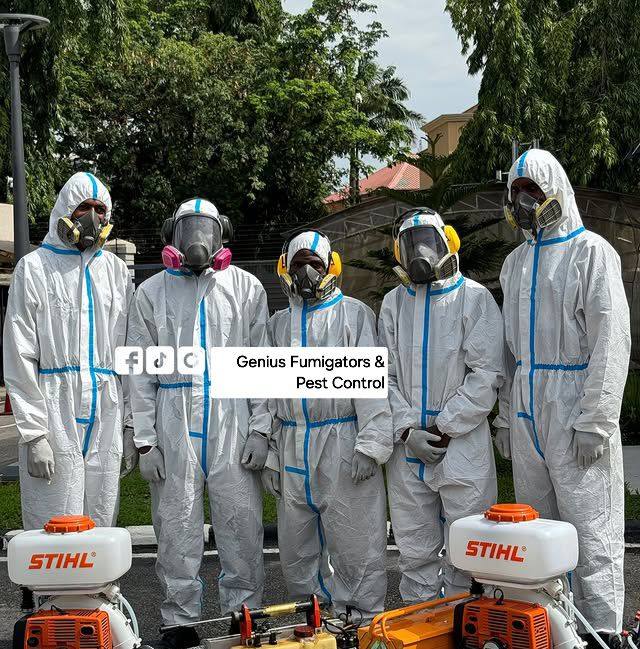
Ignoring PPE is also a serious mistake. Spraying in shorts, slippers, or without proper protection looks unprofessional and exposes you to chemical risk. Clients notice these things. If you do not take your own safety seriously, they may question whether you take theirs seriously.
How Licensing Helps You Win Better Clients
Many beginners see licensing only as a cost. In reality, it can become part of your marketing. Clients who have dealt with poor service providers are often looking for proof that you are serious.
A licensed and organised fumigation provider can approach restaurants, hotels, landlords, schools, offices, warehouses, and Airbnbs more confidently. You can include your compliance documents in your company profile, show your training background, issue proper quotations, and explain your safety process.
This makes pricing easier too. When a client asks why your quote is higher than someone charging cheaply, you can explain that your service includes suitable products, trained handling, PPE, preparation guidance, follow-up, and documentation. Serious clients understand the difference.
Platforms that help users compare service providers can also support credibility. The Real Plug helps users find vetted professionals, service providers, and businesses in Kenya. For fumigation businesses, having clear contact details, services, reviews, and compliance information can help clients feel safer when choosing a provider.
How to Position Your Business After Getting Licensed
Once you have the right paperwork, do not stop there. Use it to build a professional image. Keep copies of your licences and permits ready for clients who ask. Add compliance information to your business profile, proposals, and quotations where appropriate. Do not exaggerate or claim approvals you do not have.
Specialisation can also help. Instead of advertising “all pest control services” from day one, focus on the problems you can handle well. In Nairobi apartments, bedbugs and cockroaches may be common. In coastal areas like Mombasa, Kilifi, and Diani, termites, mosquitoes, ants, and cockroaches may be frequent. In agricultural areas, stored product pests and rodents may create opportunities, but specialised work requires proper training.
Document your work professionally. With client permission, take photos of equipment, preparation, treated areas, and completed jobs without exposing private details. Ask satisfied clients for reviews. Use WhatsApp Business, Google Business Profile, and business listing platforms to make your business easy to find.
Educate your clients. Send preparation instructions before treatment and aftercare instructions after treatment. Explain re-entry time, ventilation, cleaning, pet safety, food handling, and follow-up. This reduces complaints and shows that you are not just spraying blindly.
Should You Start Before Getting Licensed?
It is better to avoid offering commercial fumigation services before you understand and meet the legal requirements that apply to your work. If you are still preparing, you can use that time wisely.
Work under or alongside an established licensed operator to learn. Attend training. Study product labels. Learn pricing. Understand different pests. Build relationships with reputable suppliers. Prepare your business name, branding, records system, storage area, and safety gear.
There is no shame in starting properly and slowly. The problem is rushing into jobs you are not ready for and creating safety or legal trouble. Fumigation is a trust business. Taking shortcuts early can follow your name for a long time.
Final Thoughts
Yes, you need a license to start a fumigation business in Kenya if you want to operate seriously, safely, and legally. Business registration alone is not enough. You should understand pest control licensing, county permits, environmental responsibilities, public health expectations, product safety, storage, training, and record keeping.
The process takes time and money, but it protects your clients and your business. It also helps you move beyond small one-off jobs into better opportunities with landlords, restaurants, hotels, schools, offices, Airbnbs, warehouses, and property managers.
Do not treat licensing as a burden only. Treat it as part of your value. In a market where clients fear fake chemicals and unreliable providers, proper compliance can help you stand out. Start by verifying current requirements with the relevant authorities, get trained, use suitable products, and build systems that show professionalism.
A fumigation business that lasts is not built on shortcuts. It is built on safety, trust, proper documentation, good service, and results clients can believe in.