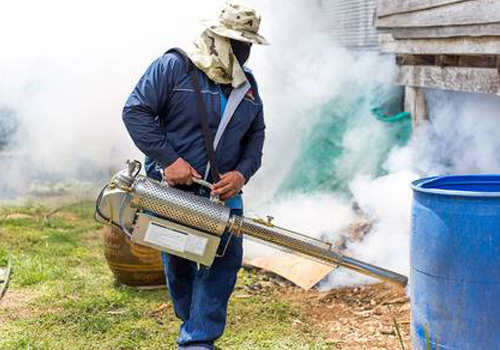


Starting a fumigation business in Kenya can look simple from the outside. Bedbugs are common in hostels, rentals, and apartment blocks. Cockroaches disturb homes, restaurants, shops, and food stores. Rats show up in markets, warehouses, and estates with poor waste handling. So, it is easy to think all you need is a sprayer, a few chemicals, a phone number, and some flyers.
Then reality checks in. Calls are not coming as expected. Clients keep asking for discounts. Some pests return after treatment. A landlord refuses to pay the balance. A restaurant wants documents you do not have. Your chemical costs rise, but your prices stay the same. Before long, the business feels busy but broke.
The demand for pest control in Kenya is real. The problem is that many new fumigation businesses make avoidable mistakes early. Some are technical mistakes. Others involve pricing, safety, communication, licensing, marketing, and customer trust. If you are starting out or you have been running for a short time, understanding these mistakes can save you money, stress, and reputation damage.
Starting Without Proper Training and Compliance
One of the biggest fumigation business mistakes in Kenya is assuming that anyone who can buy chemicals can offer pest control services. Fumigation involves products that can affect people, pets, food, water, and the environment. That is why beginners should take training, understand the law, and verify current requirements with the relevant authorities before operating.
Depending on the services you offer, you may need licensing, registration, permits, or approvals from relevant bodies such as the Pest Control Products Board, county offices, or other authorities. Requirements can change, so do not rely only on what another operator told you kwa ground. Confirm directly before handling restricted products or serving sensitive clients.
Training is just as important as paperwork. Mixing rates, re-entry times, protective gear, pest behaviour, resistance, storage, and safe application are not things to guess. You may learn a few tips from YouTube, but that cannot replace proper training and product-label knowledge.
Clients are also becoming more cautious. Hotels, restaurants, landlords, schools, offices, and Airbnb hosts may ask whether you are licensed, trained, or able to issue proper documentation. If you cannot answer confidently, they may choose someone else.
Pricing Jobs Without Knowing Real Costs
Many new fumigators copy market prices without understanding their own costs. Someone says they charge KSh 2,000 for a one-bedroom, so you do the same. But your transport, chemical use, labour, follow-up, and equipment costs may be different.
A one-bedroom with light cockroaches is not the same as a one-bedroom with heavy bedbugs in the bed, sofa, curtains, and wall cracks. A bedsitter near your base is not the same as a job across town in traffic. A restaurant kitchen cannot be priced like a home kitchen because the risk, timing, and documentation may be different.
Your price should cover chemicals, gel bait where needed, transport, PPE, labour, time, equipment wear, follow-up, marketing, and profit. If you forget any of these, you may be working at a loss without realising it.
Another common mistake is failing to include follow-up visits. Bedbugs and German cockroaches may need more than one visit. If you quote for one visit but the job requires two, you will either return for free or argue with the client. Both damage the business.
Kenyans bargain, and that is normal. But do not reduce your price so much that you cannot do the job properly. Some jobs are better declined than accepted at a loss.
Using the Wrong Chemicals or Poor Application Methods
Trying to save money by using cheap or unsuitable chemicals is a dangerous mistake. A product meant for agricultural use is not automatically suitable for indoor homes, restaurants, hotels, or offices. Using the wrong product indoors can create health risks and legal problems.
Beginners should buy pest control products from reputable suppliers and use them only according to the label and approved purpose. Avoid unlabelled bottles, repackaged chemicals, mystery mixtures, and “dawa kali” from backstreet sellers. Cheap products can fail, irritate clients, damage surfaces, or expose people and pets to unnecessary risk.
Application method also matters. For cockroaches, spraying visible areas may not reach the colony hiding inside appliances, cabinet hinges, cracks, drains, and electronics. Gel bait may be needed in some cases. For bedbugs, treating only the floor and ignoring bed frames, mattress seams, skirting boards, curtains, and furniture joints leaves the problem alive.
A good fumigator does not just spray and leave. They inspect, identify hiding places, choose suitable methods, apply carefully, and explain aftercare. Rushing because you underquoted often leads to callbacks and bad reviews.
Ignoring Safety and Client Preparation
Fumigation safety is not optional. You are working in homes with children, elderly people, pets, food, bedding, utensils, clothes, and personal items. If you do not guide the client properly, even a good treatment can create problems.
Before the job, send preparation instructions on WhatsApp or in writing. Tell the client what to remove, cover, wash, bag, or keep away depending on the pest and treatment. Explain how long people and pets should stay out where required, when to ventilate, and what surfaces should be cleaned before use.
Clients also need realistic aftercare instructions. For example, mopping immediately after a residual treatment may reduce effectiveness. Leaving food uncovered after cockroach treatment can attract pests again. Bringing untreated second-hand furniture into the house can reintroduce bedbugs.
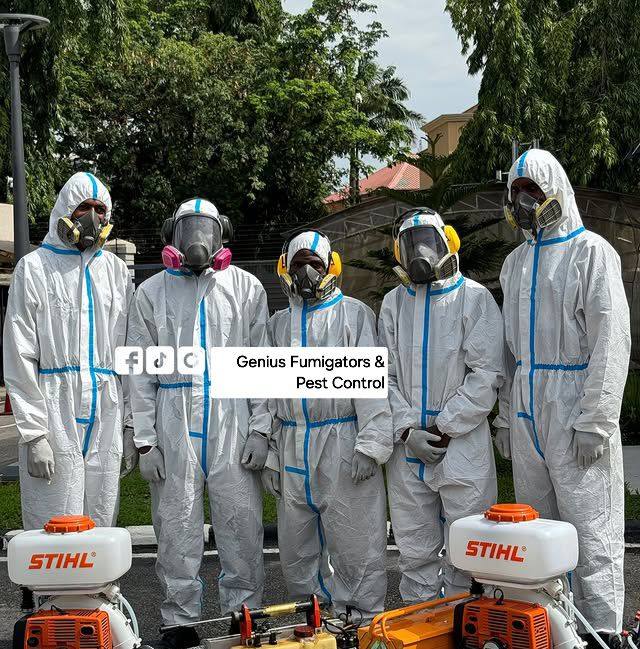
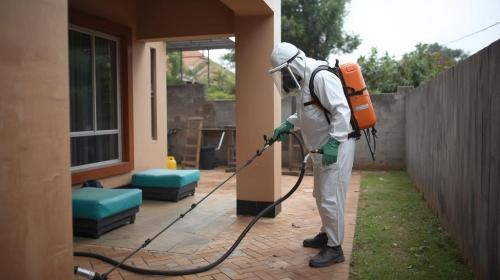
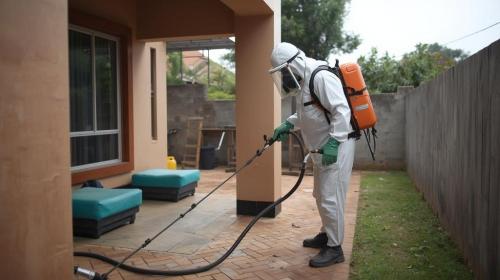
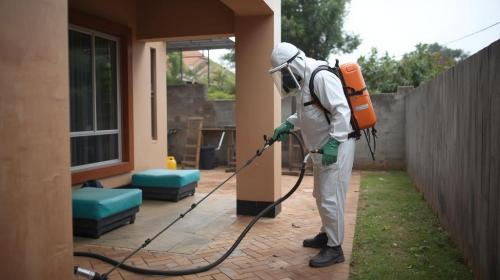
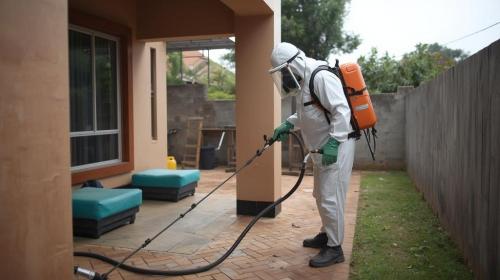
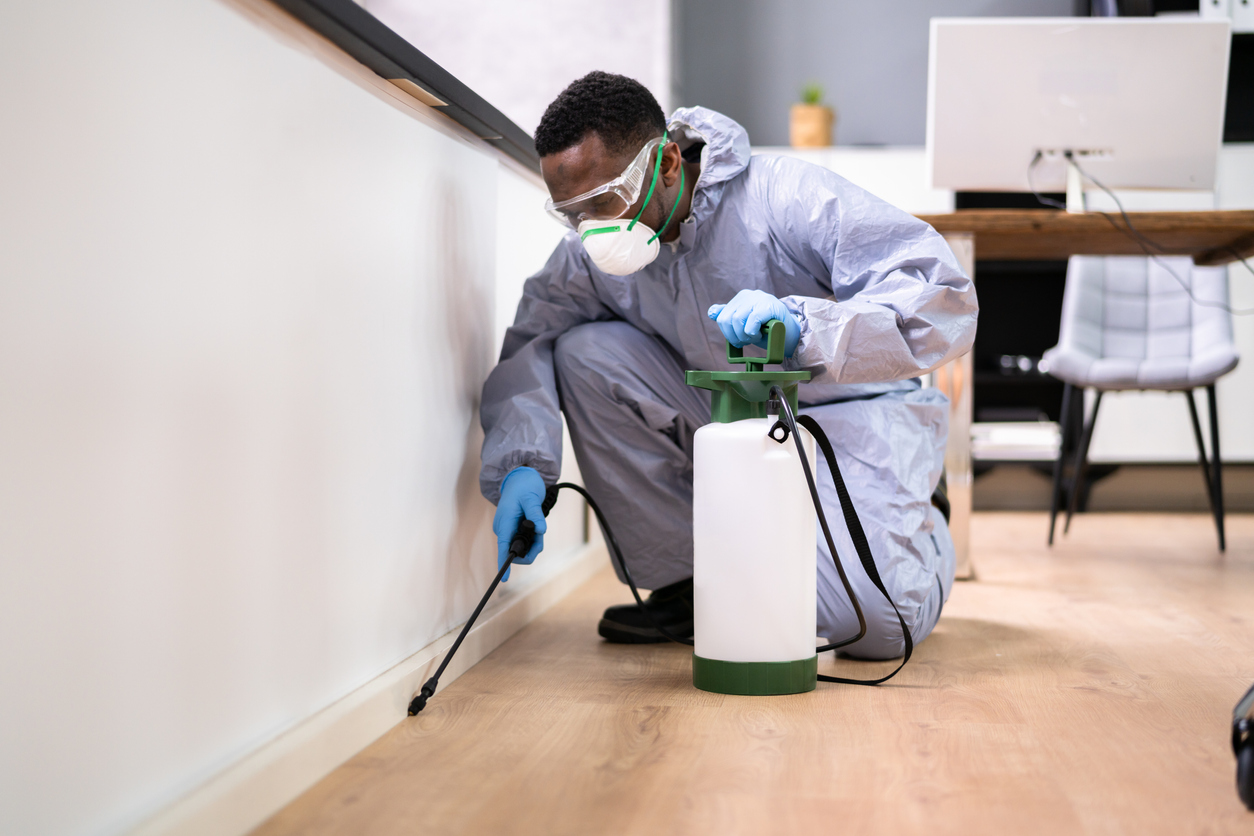
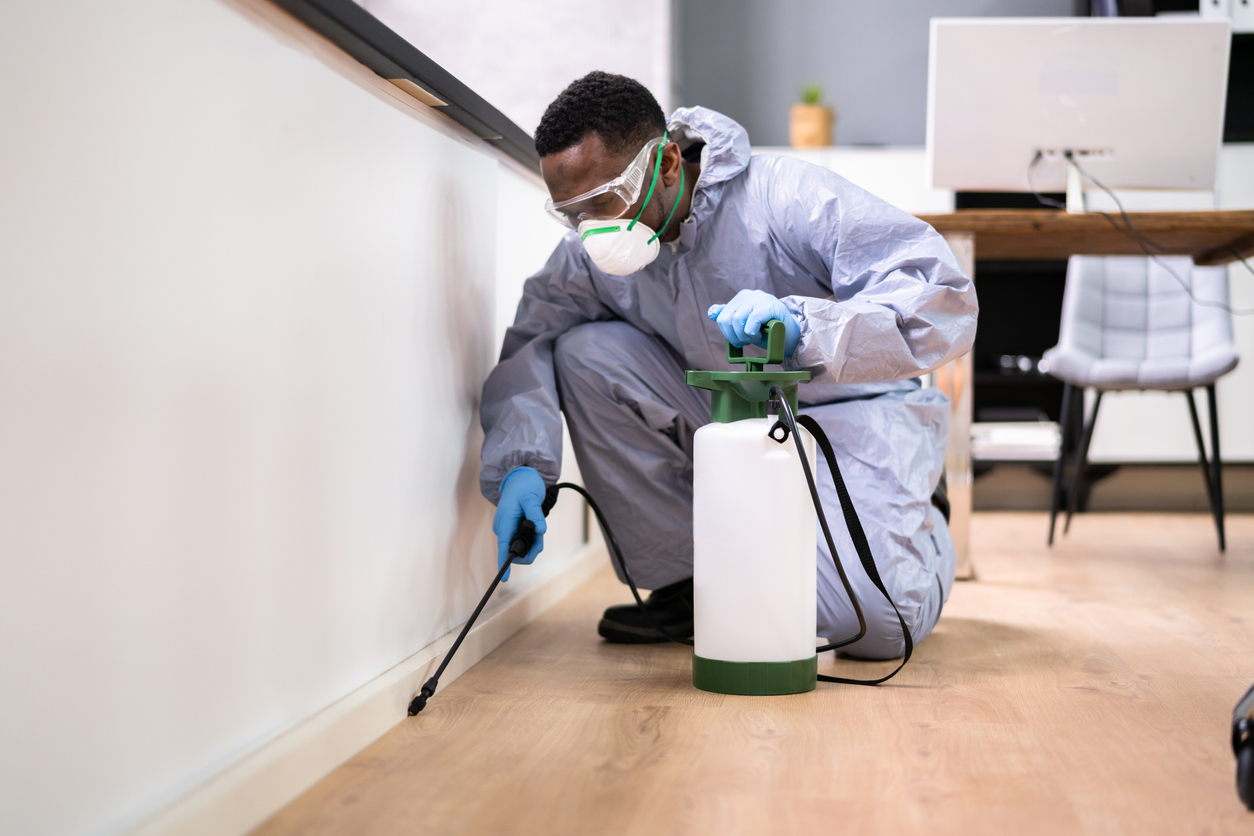
Wear PPE during the job. Gloves, overalls, boots, goggles, and proper respiratory protection where required are part of professionalism. If clients see you protecting yourself, they take your safety instructions more seriously. If you handle chemicals casually, they may assume the treatment is harmless and ignore instructions.
Poor Communication With Clients
Many fumigation businesses lose clients because of poor communication, not poor chemicals. Not answering calls, arriving late, failing to explain the process, or disappearing after payment makes clients suspicious.
In Kenya, trust is a big part of service business. A landlord in South B can give you several units if you are reliable. A restaurant owner in Mombasa can put you on a monthly contract if you communicate well. An Airbnb host can refer you to other hosts if you respond quickly and professionally.
If you are running late, say so early. If the job needs follow-up, explain it before payment. If the client must prepare the house, send instructions before you arrive. If a pest may take several days to reduce, say that clearly.
Also issue receipts or invoices. They do not have to be complicated. A simple branded receipt or digital invoice with your business name, phone number, service, amount, and date makes you look more serious. Clients keep receipts and may use them to call you again later.
Trying to Handle Every Pest Too Soon
New fumigation businesses often say yes to everything because they need money. Bedbugs, cockroaches, rats, termites, snakes, mosquitoes, bees, grain fumigation, warehouse treatment, restaurant contracts, and post-construction termite control all sound like opportunities.
But each pest requires different knowledge, tools, products, and safety precautions. Termite treatment is not the same as cockroach baiting. Grain fumigation can be high risk and should not be handled casually. Restaurant pest control requires food safety awareness. Rodent control needs bait station placement, proofing advice, and monitoring.
It is better to start with a few services and master them. For many beginners in urban Kenya, bedbugs, cockroaches, ants, and basic rodent control are common starting points. Once you gain training, experience, equipment, and cash flow, you can expand into termites, mosquitoes, commercial contracts, or specialised work.
Saying “I do not handle that yet, but I can refer you to someone qualified” can build more trust than accepting a job you cannot do well.
Weak Marketing and No Online Presence
Some new operators depend only on word of mouth. Referrals are powerful, but they may not be enough when you are starting. Many clients now check Google, WhatsApp, Facebook, TikTok, estate groups, and business listing platforms before calling.
A basic Google Business Profile can help people near you find your services. Add your real business name, phone number, service areas, working hours, photos, and services such as bedbug fumigation, cockroach control, rodent control, termite treatment, and restaurant pest control.
WhatsApp Business also helps. Use a business profile, catalogue, quick replies, and clear service descriptions. When a client sends a photo of cockroaches at night, a professional response can win the job before morning.
Avoid posting generic adverts only. Share useful tips, real work photos with permission, short educational videos, and clear explanations. People trust service providers who teach, not just those who shout “cheap fumigation.”
It also helps to be visible where clients compare providers. The Real Plug helps users find vetted professionals, service providers, and businesses in Kenya. A complete profile with services, reviews, photos, and contact details can make a new fumigation business look more credible to clients who are avoiding random numbers online.
Not Having a Follow-Up or Warranty Policy
Pest control is not always instant. Bedbugs may need follow-up. German cockroaches may take time to reduce as baits work and eggs hatch. Rodent control may require monitoring and sealing entry points. If you do not explain this, clients may think the job failed after seeing one pest later.
Create a simple follow-up policy. For example, your bedbug package may include a second visit within a stated period if preparation instructions were followed. Cockroach treatment may include a follow-up check for moderate or heavy infestations. Rodent control may include monitoring visits depending on the package.
A warranty should have conditions. You cannot guarantee lasting results if the client refuses to clean grease, leaves food uncovered, does not repair leaks, brings infested furniture, or has untreated neighbouring units. Be fair but clear.
Written policies reduce conflict and make your service look professional.
Ignoring Caretakers, Agents, and Property Managers
In many Kenyan estates, caretakers and agents are gatekeepers. They know which units have pest complaints, which houses are vacant, and which landlords need regular services. If you ignore them, you may miss steady work.
Build relationships in target areas. Visit apartments, introduce yourself respectfully, and leave a simple card or rate sheet. Talk to agents handling rentals. Offer move-in and move-out fumigation packages. Connect with Airbnb managers who need quick response when guests complain.
Do not rely only on random online inquiries. A caretaker in Tassia, Bamburi, Roysambu, or Mtwapa can bring repeat work if you are reliable. A property manager can give you several units if your pricing, communication, and documentation are clear.
Not Tracking Jobs, Payments, and Profit
A fumigation business can look busy while losing money. If you do not track jobs, you may not know which services are profitable and which ones drain you.
Keep simple records. Write down the client name, location, pest treated, property size, amount charged, product used, transport cost, labour, payment status, and follow-up date. This can be in a notebook, spreadsheet, or free business app.
After a few months, review the data. Maybe bedsitters far from your base cost too much transport. Maybe restaurants pay better but require late-night work. Maybe bedbug jobs need higher pricing because follow-up is frequent. Maybe certain estates give more referrals.
Good records help you price better, follow up on time, avoid forgotten balances, and understand where your money goes.
Overpromising Results
Clients want pests gone quickly, so beginners sometimes promise too much. They say bedbugs will disappear forever, cockroaches will never return, or one spray will finish everything. These promises can backfire.
Pests can return from neighbouring units, drains, luggage, second-hand furniture, poor waste handling, open food, cracks, and untreated hiding places. A professional should explain what treatment can do and what the client must also do.
Use balanced language. Say the treatment is designed to control the infestation, reduce activity, and target hiding areas. Explain that follow-up, hygiene, repairs, and prevention may be needed. Clients may appreciate honesty more than big promises that fail later.
Final Thoughts
Most fumigation businesses in Kenya do not fail because there are no clients. They fail because of avoidable mistakes. Starting without proper training, pricing blindly, using unsuitable chemicals, ignoring safety, communicating poorly, and trying to handle every pest too soon can damage a young business quickly.
If you are new, build the business on trust. Get trained. Verify legal requirements. Use suitable products. Price based on real costs. Give preparation instructions. Communicate clearly. Keep records. Follow up where needed. Build relationships with caretakers, agents, landlords, business owners, and platforms where clients look for reliable providers.
Fumigation is not just a sprayer-and-dawa business. It is a service business built on safety, consistency, and results. When clients trust you, they call again, refer neighbours, and accept your pricing more easily. Avoid the common mistakes early, and you give your fumigation business a better chance of growing in Kenya’s competitive pest control market.