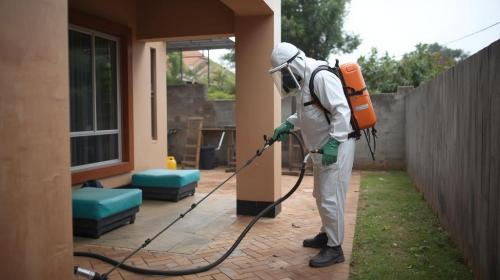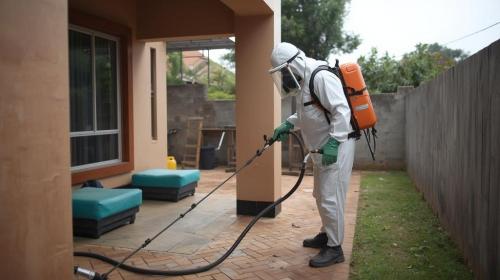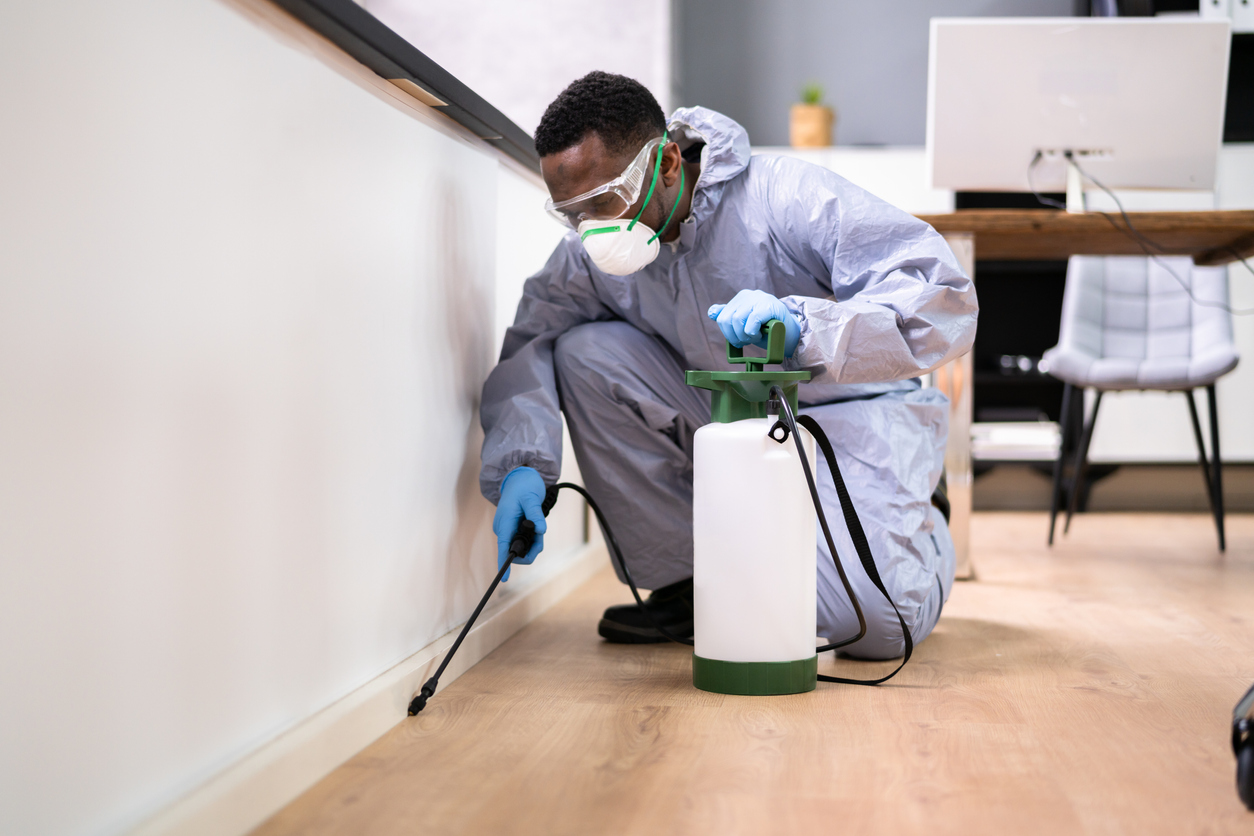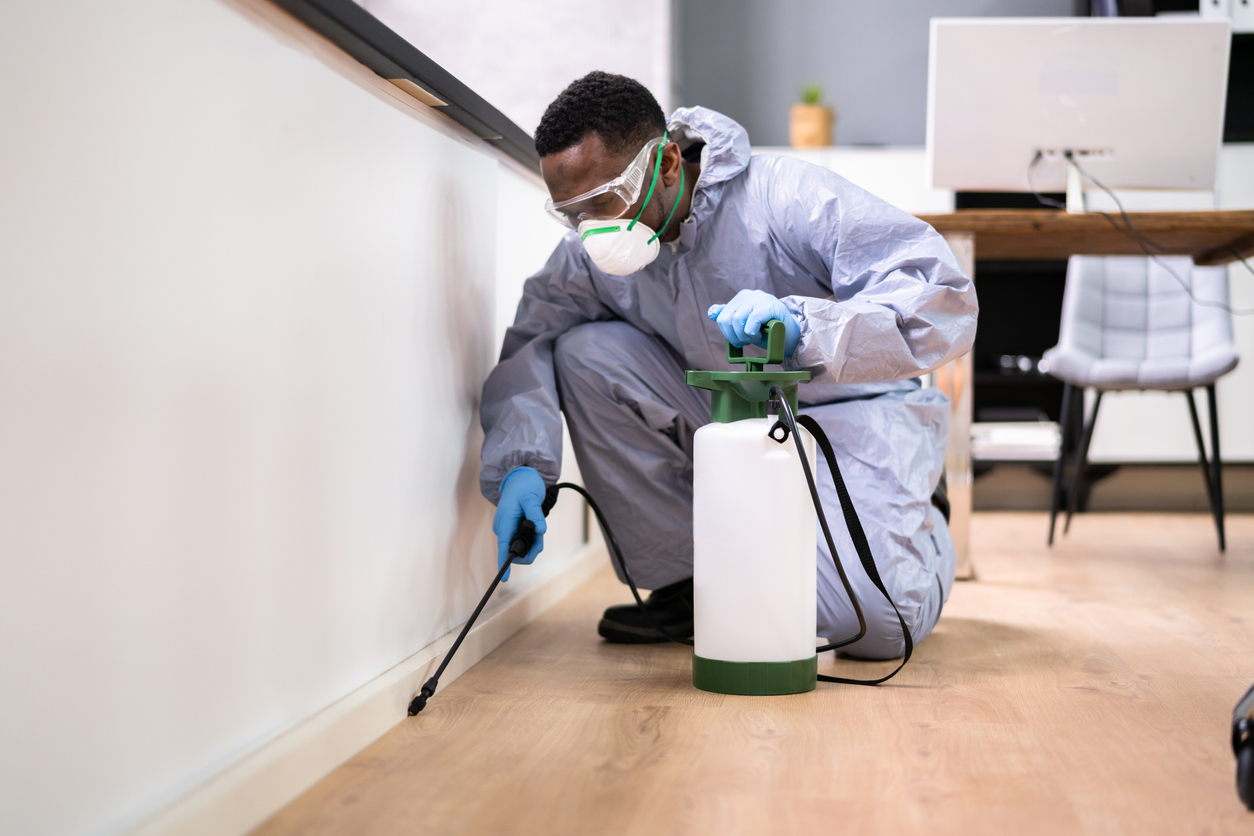


Starting a fumigation business in Kenya can look like a sure bet from the outside. Bedbugs are disturbing tenants in Pipeline, Rongai, and Kahawa Wendani. Cockroaches are a headache for restaurants in Westlands, Mombasa, and Kisumu. Termites damage homes in places like Karen, Kitengela, Kilifi, and parts of Nakuru. Warehouses, schools, Airbnbs, hotels, and rental houses all need pest control at different times.
So why do many fumigation businesses still fail?
The problem is rarely lack of demand. Kenya has enough pest problems to keep serious operators busy. The real issue is how the business is run. Many people enter fumigation with a sprayer, a few chemicals, and a phone number, but without systems for pricing, safety, follow-up, marketing, records, and client trust. Within a few months, the phone goes quiet, clients stop referring them, and expenses become heavier than income.
Fumigation is not just about spraying dawa. It is a service business built on trust, consistency, safety, and results. If you treat it casually, clients will treat you casually too. If you build it professionally from the beginning, you have a much better chance of surviving in Kenya’s competitive pest control market.
Many Start Without Knowing the Real Cost of Each Job
One of the biggest reasons fumigation businesses fail in Kenya is poor pricing. New operators often copy what someone else is charging without understanding their own costs. They hear that a one-bedroom fumigation job goes for KSh 4,000 and assume that most of it is profit. Lakini kwa ground, the math can be very different.
A proper job may include chemicals, gel bait, transport, labour, PPE, airtime, equipment wear, preparation time, and follow-up. If you travel from Kasarani to South C, spend money on fuel or fare, use quality products, pay an assistant, and return after two weeks, your real cost may be higher than expected. If you charged too low, you worked but did not earn.
This is how businesses become busy but broke. They keep accepting cheap jobs to stay active, but every job leaves little or no profit. Eventually, they cannot replace equipment, buy proper chemicals, pay technicians, or market the business.
The way to avoid this is simple: know your break-even point. Before setting prices, calculate what each common job costs. Have different rates for light, moderate, and heavy infestations. Include follow-up where needed. Do not accept jobs that force you to cut corners or work at a loss.
They Overpromise to Win Clients
Many new fumigators promise too much because they are afraid of losing a client. They say bedbugs will disappear in one day, cockroaches will never return, or the family can re-enter the house almost immediately. These promises may help close the sale, but they create problems later.
Pest control is not magic. Bedbugs may need follow-up because eggs can hatch after treatment. German cockroaches may hide deep in appliances, cracks, cabinets, and electronics. Rats may return if entry points remain open. Termites may need proper inspection and treatment planning.
When a client is told the problem will end instantly and pests appear again, they feel cheated. In Kenya, that disappointment spreads quickly through estate WhatsApp groups, Facebook comments, neighbours, caretakers, and landlords. One bad complaint in a block can cost you many future jobs.
A better approach is honesty. Explain what the treatment can do, what the client must do, and what to expect after fumigation. If bedbug treatment needs two visits, say so before payment. If cockroach control requires hygiene and follow-up, explain it clearly. Clients may not like hearing that the process takes time, but they respect a provider who tells the truth.
They Use Wrong Products or Weak Methods
Another reason fumigation businesses fail is cutting corners with chemicals and application methods. Some beginners buy cheap products meant for other uses and apply them indoors. Others use unlabelled chemicals from informal sellers because they are cheaper. Some skip gel bait, dusts, or follow-up because they want to protect a low price.
This kind of shortcut damages trust fast. A strong smell does not mean a product is effective or safe. A quick spray on the floor does not mean cockroaches hidden behind a fridge motor are gone. Treating only visible areas does not solve bedbugs hiding in mattress seams, wooden joints, sockets, skirting, curtains, and sofas.
Using unsuitable products can also create safety risks for children, pets, food areas, and people with allergies or respiratory issues. For restaurants, hotels, schools, and food businesses, chemical misuse can create bigger problems than the pests themselves.
To avoid this, buy suitable pest control products from reputable suppliers and use them according to label instructions. Get proper training. Learn pest behaviour. Understand when to use residual spray, gel bait, dust, traps, monitoring, proofing, or follow-up. If a job needs more materials to do properly, price it correctly instead of lowering the standard.
They Ignore Licensing, Training, and Compliance
Some people start fumigation work assuming nobody will ask questions. That may work for a few small jobs, but it limits growth and increases risk. Serious clients such as hotels, restaurants, schools, corporates, landlords, warehouses, and property managers may ask for licences, certificates, receipts, or proof that you understand safety.
Fumigation and pest control products are regulated because they affect public health, food safety, property, and the environment. Depending on the products and services you offer, you may need relevant licensing, permits, training, or approvals. Requirements can change, so beginners should verify details with the Pest Control Products Board, county offices, and other relevant authorities before operating.
Training also helps you avoid expensive mistakes. You learn how to mix correctly, store products safely, guide clients, handle accidental exposure, understand re-entry periods, and choose the right method for each pest. Without training, you are more likely to misapply products and get complaints.
Compliance may feel slow or costly at first, but it opens doors. A licensed, trained, and organised provider can confidently approach restaurants, Airbnbs, property managers, schools, and businesses that pay better than random one-off jobs.
They Have No Follow-Up System
Many fumigation businesses fail because they treat follow-up as an afterthought. They do one visit, collect payment, and hope the client never calls back. But pests like bedbugs, German cockroaches, rats, and fleas often need monitoring or a second visit.
If a client sees pests again after a few days and you did not explain the process, they assume the job failed. If you ignore their calls, they will tell others you are unreliable. If you return for free because you forgot to price follow-up, you lose money.
Build follow-up into your service from the beginning. For bedbugs, you may include a second visit within a stated period where needed. For cockroaches, you may offer follow-up for moderate or heavy infestations. For rodent jobs, monitoring may be part of the package.
Before leaving the site, schedule the next step. Send reminders. Keep records. When clients see that you come back without being chased, they remember you. In a market where many fundis disappear after payment, follow-up can become one of your strongest selling points.
They Market Only When Business Is Slow
Some fumigation operators get a few jobs, become busy for a week, and stop marketing. Then the work dries up and panic begins. Others rely only on word of mouth, which is useful but slow when you are new.
In Kenya today, many clients search online before calling. They check Google, WhatsApp, Facebook groups, TikTok, estate groups, and business listing platforms. If your business has no online presence, no reviews, no photos, and no clear contact details, many clients will never find you.
You do not need a huge budget to market well. Start with a Google Business Profile. Add real photos, service areas, working hours, and service descriptions. Use WhatsApp Business with a catalogue and quick replies. Ask happy clients for reviews immediately after successful jobs. Post useful tips about bedbugs, cockroaches, rats, mosquitoes, and fumigation preparation.
You can also appear where clients already compare service providers. The Real Plug helps users find vetted professionals, service providers, and businesses in Kenya. For a fumigation company, a clear profile with services, photos, contact details, and reviews can help build trust with clients who are avoiding random numbers online.
Marketing should be consistent. It is not something you do only when the phone is silent.
They Handle Clients Poorly
Good technical work can still be ruined by poor customer service. Many clients complain about fumigators who arrive late, ignore calls, speak rudely, fail to explain the process, refuse to issue receipts, or switch off after payment.
In Kenya, trust is everything. A landlord in Kilimani can give you several units if you are reliable. A restaurant owner in Mombasa can put you on a monthly contract if you communicate well. A satisfied Airbnb host can refer you to other hosts. But one careless experience can close those doors.
Professionalism does not have to be expensive. Answer calls. Reply to WhatsApp messages. Show up on time or communicate early if you are delayed. Wear clean protective gear. Explain what you are doing. Give preparation and aftercare instructions. Issue a receipt or invoice. Follow up after the job.
Small things make clients feel safe. And when clients feel safe, they pay better and refer more easily.
They Try to Offer Every Service Too Soon
Another common mistake is trying to handle every pest and every type of job immediately. Bedbugs today, termites tomorrow, grain fumigation next week, mosquito fogging, snakes, bees, warehouse pests, restaurant contracts, and post-construction termite treatment. It sounds like growth, but it can become confusion.
Each pest requires different knowledge, tools, products, safety measures, and sometimes licences. Termite treatment needs inspection and understanding of structures and soil. Grain fumigation can be high risk and should not be handled casually. Commercial kitchens need food safety awareness and documentation. Mosquito control may require environmental management beyond fogging.
A new business should start with services it can handle well. For many urban Kenyan operators, cockroach control, bedbug treatment, ant control, and basic rodent control are common starting points. Once you gain experience, training, cash flow, and equipment, you can expand carefully.
It is better to be known for doing a few services properly than for doing everything badly.
They Do Not Track Jobs, Money, or Results
A fumigation business can fail quietly because the owner does not track anything. They do not know which jobs made profit, which clients need follow-up, which areas cost too much transport, or which services bring the best returns.
Keep simple records. Write down the client name, location, pest type, property size, amount charged, expenses, product used, payment status, and follow-up date. You can use a notebook, spreadsheet, or basic business app.
After a few months, review your records. You may discover that small jobs far from your base are not worth it unless you charge transport. You may find that apartment blocks bring better profit than scattered one-off jobs. You may realise that bedbug work needs higher pricing because follow-ups are frequent.
Records help you stop guessing. They turn your experience into business decisions.
How to Build a Fumigation Business That Lasts
A fumigation business that survives in Kenya is built on systems, not luck. Get trained. Verify licensing and compliance requirements. Price jobs based on real costs. Use suitable products. Explain the process clearly. Follow up when needed. Keep records. Market consistently. Treat clients with respect.
Do not chase every cheap job. Do not promise what you cannot deliver. Do not use unknown chemicals just to protect a low quote. Do not disappear after payment. Those shortcuts may bring quick money, but they destroy long-term trust.
Focus on becoming the provider clients can rely on. The one who responds, arrives, explains, treats properly, follows up, and keeps records. In estates, hotels, restaurants, Airbnbs, schools, and offices, that kind of professionalism stands out.
Final Thoughts
Many fumigation businesses fail in Kenya because they run without structure. They underprice jobs, skip follow-up, use poor methods, ignore compliance, market inconsistently, and handle clients badly. The pests are there, but the business side is weak.
Avoiding failure starts with treating fumigation like a serious service business. Know your costs. Use the right products. Train properly. Communicate honestly. Build follow-up into your packages. Keep records. Market where clients are already looking. Protect your reputation because in Kenya, one good job can bring referrals, and one bad job can spread across an estate in minutes.
You do not have to be the cheapest fumigator to grow. You have to be reliable, safe, clear, and effective. Clients will pay for a provider who solves the problem properly and treats them with respect. That is how a fumigation business moves from one sprayer and a phone to a trusted company people call again.