

Waste management is one of those things most people rarely think about until something goes wrong.
A toilet starts flushing slowly. An unpleasant smell appears around the compound after heavy rain. Tenants begin complaining. Suddenly, what seemed like a minor inconvenience becomes an urgent problem that demands immediate attention.
Across Kenya, from residential estates in Nairobi and Nakuru to schools in Meru, hotels in Diani, and factories in Athi River, exhauster services play a critical role in maintaining sanitation, public health, and environmental safety. Yet many property owners still have questions about how these services work, how much they cost, and how to choose a reliable provider.
Whether you're a homeowner, landlord, business owner, property manager, or institution administrator, understanding exhauster services can save you money, prevent emergencies, and help you comply with environmental regulations.
This comprehensive guide covers everything you need to know about exhauster services in Kenya, including costs, regulations, maintenance tips, and how to find trusted service providers.
Understanding Exhauster Services in Kenya
Exhauster services involve the removal, transportation, and safe disposal of liquid and semi-solid waste from septic tanks, pit latrines, biodigesters, soak pits, and other wastewater containment systems.
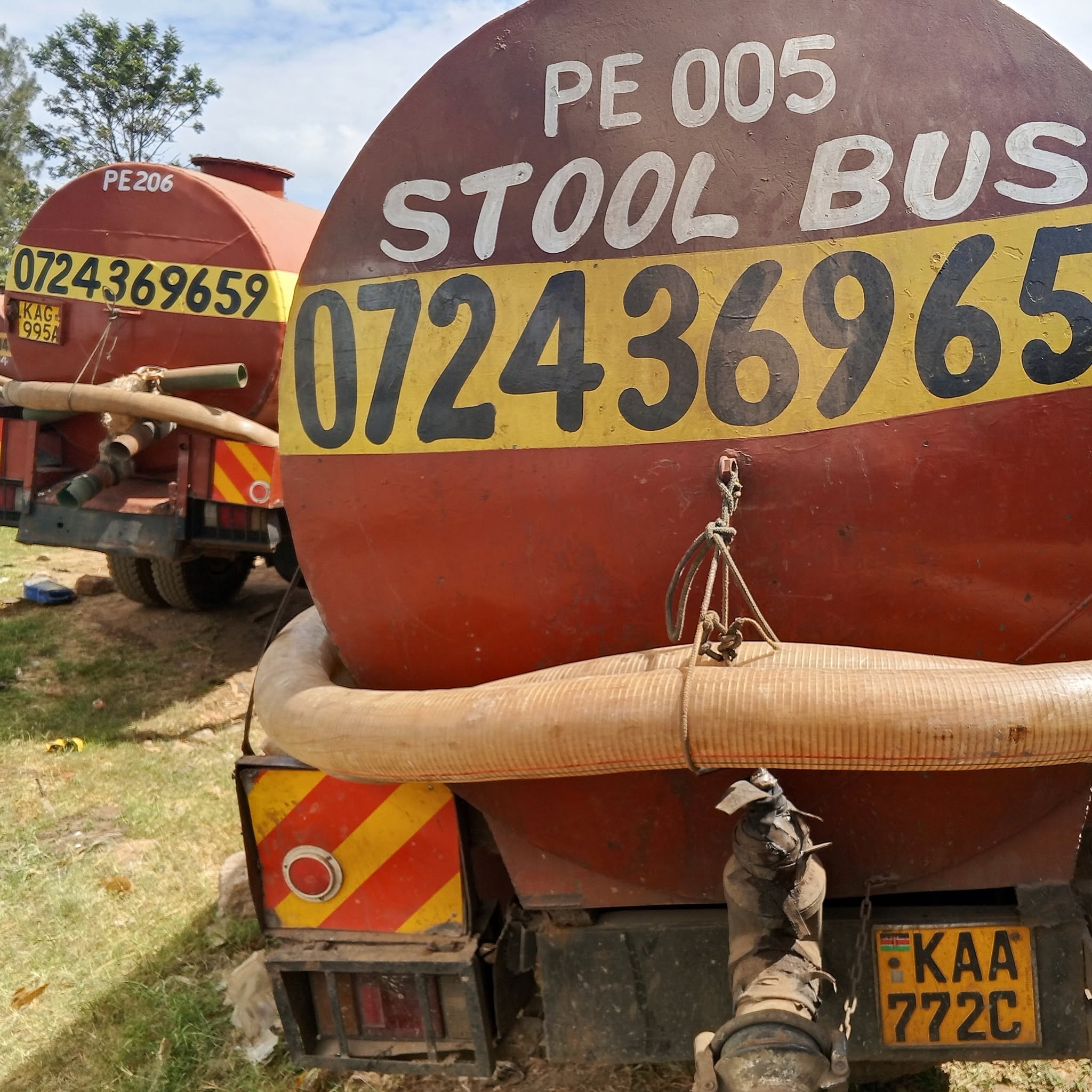
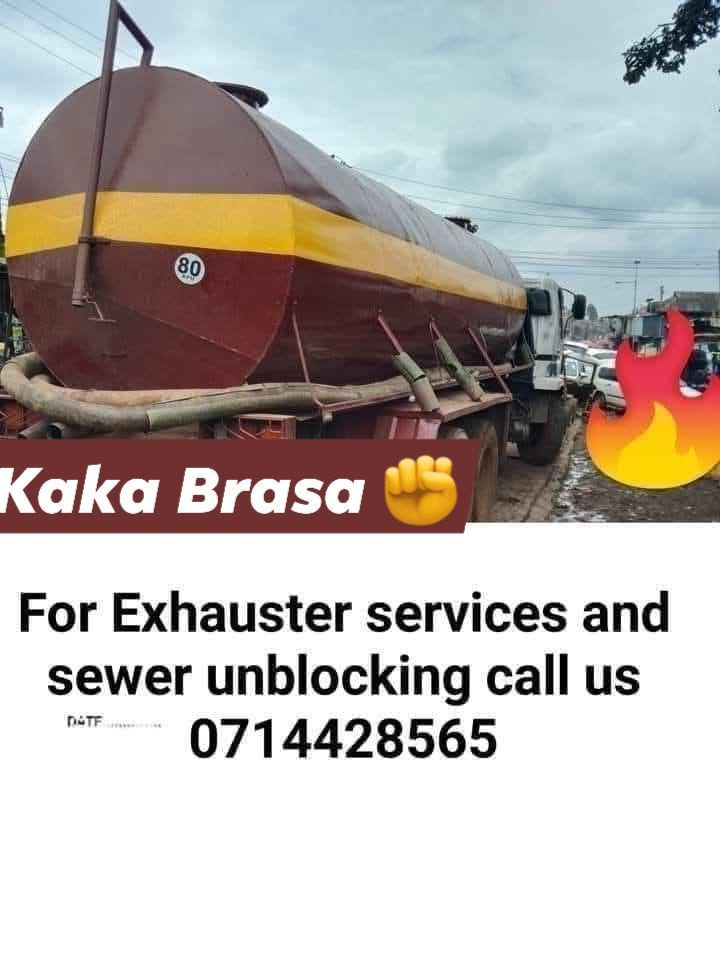
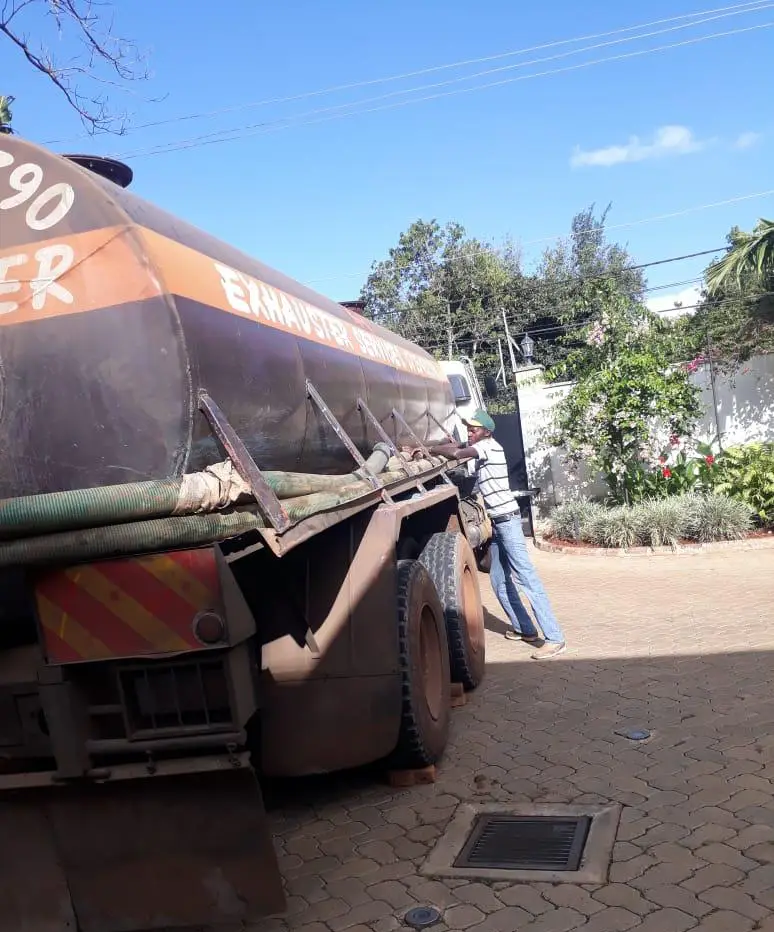
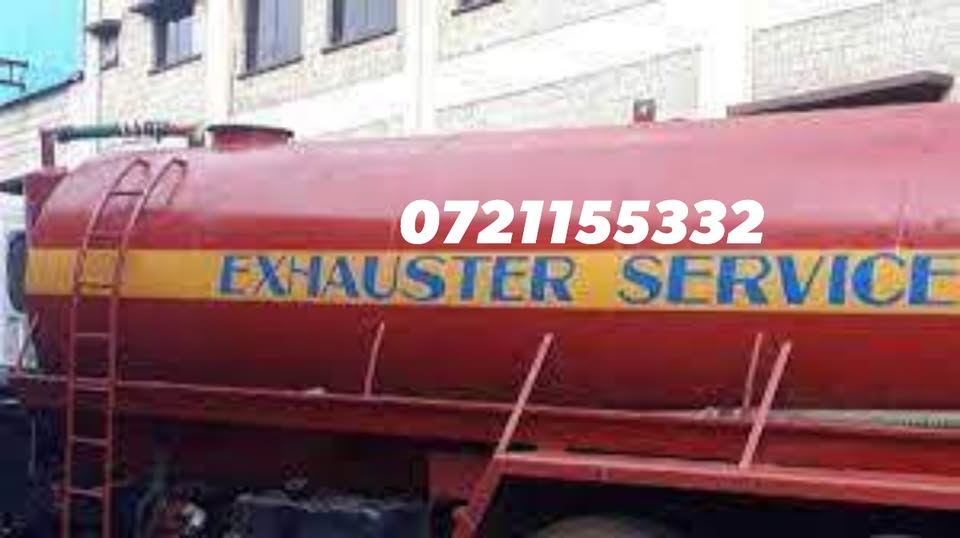
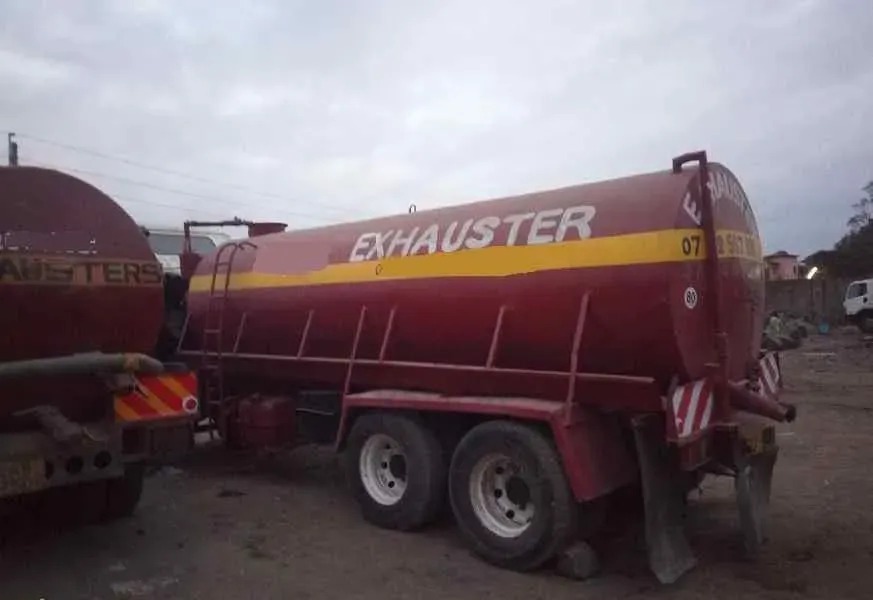
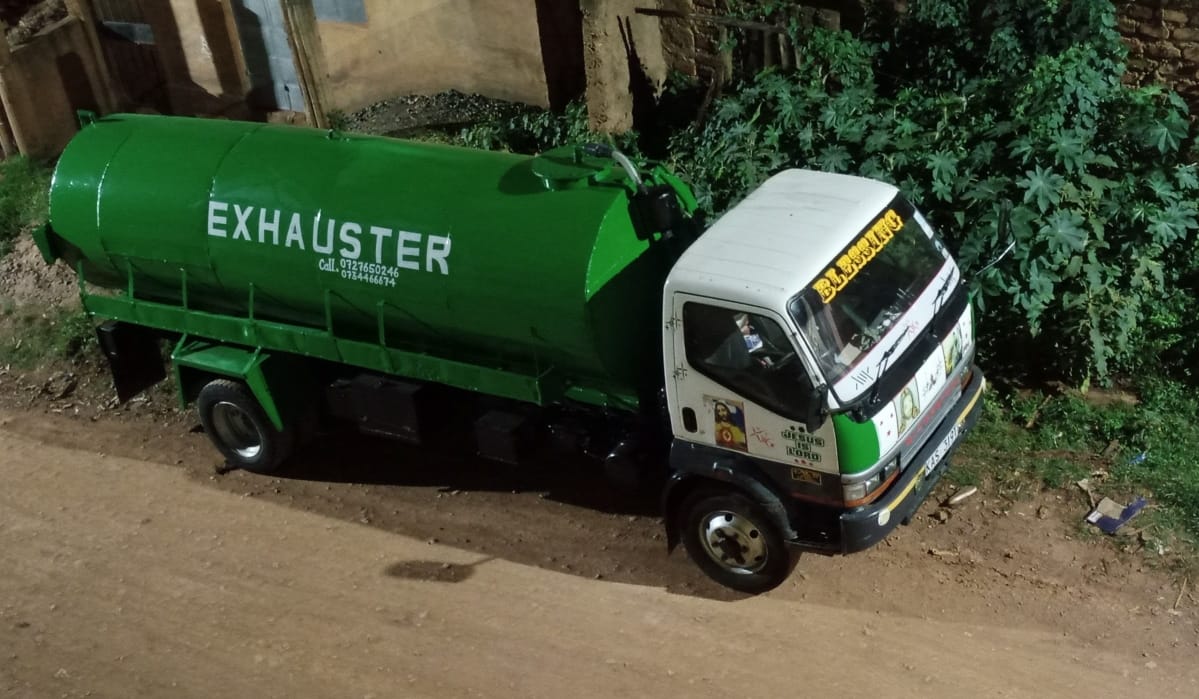
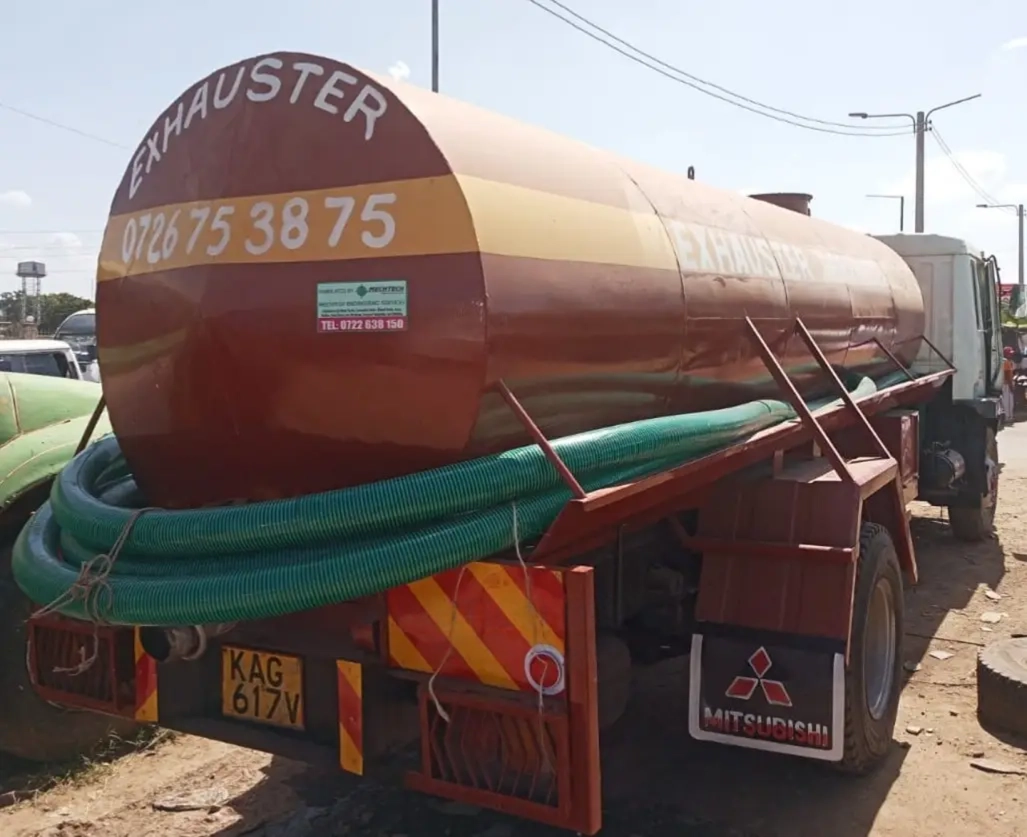
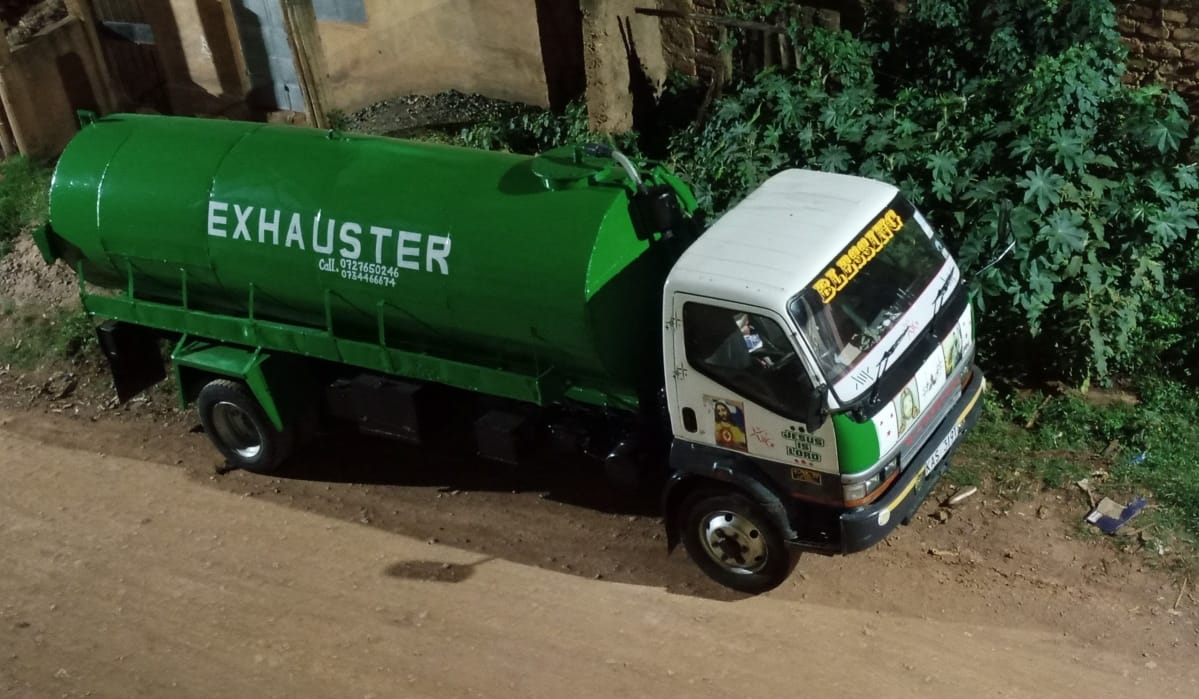
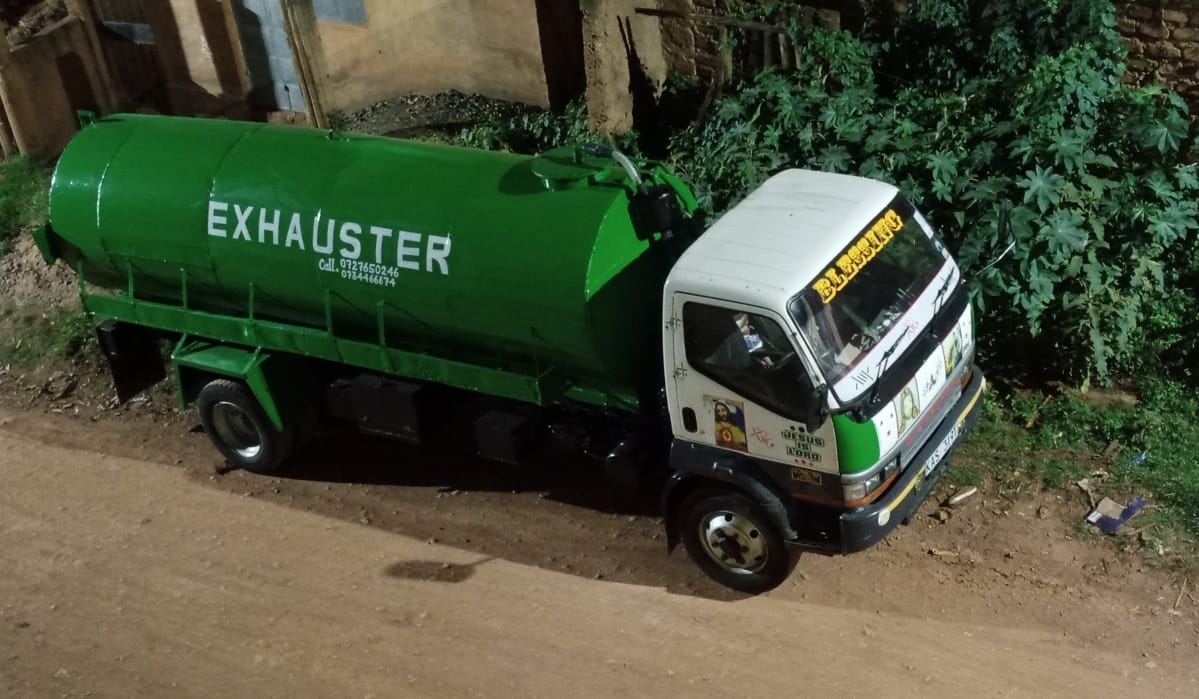
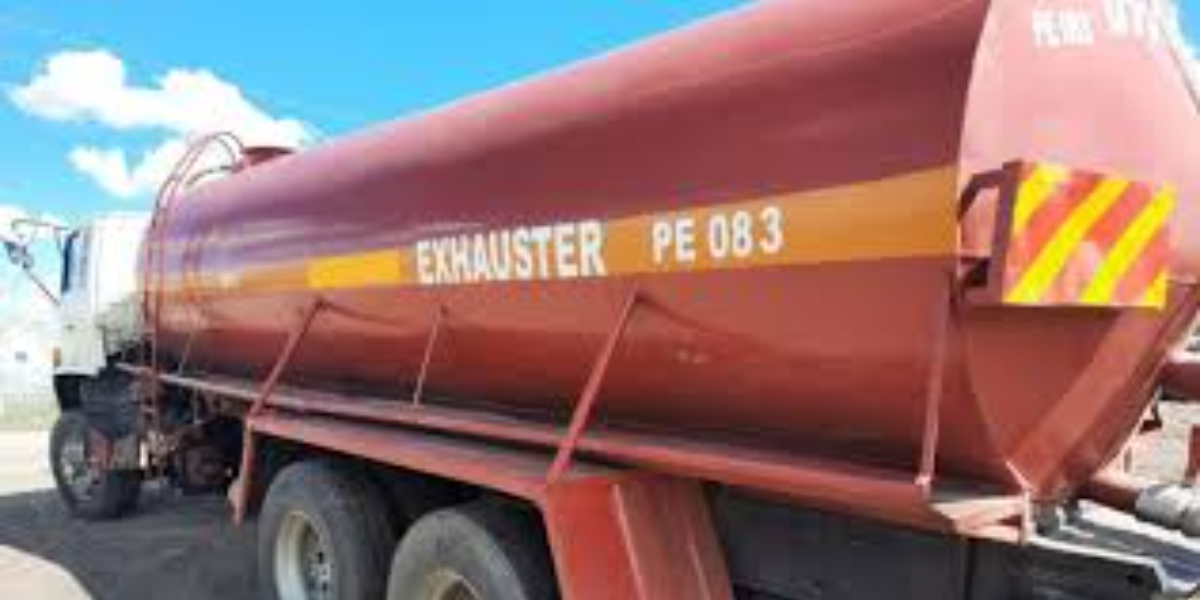
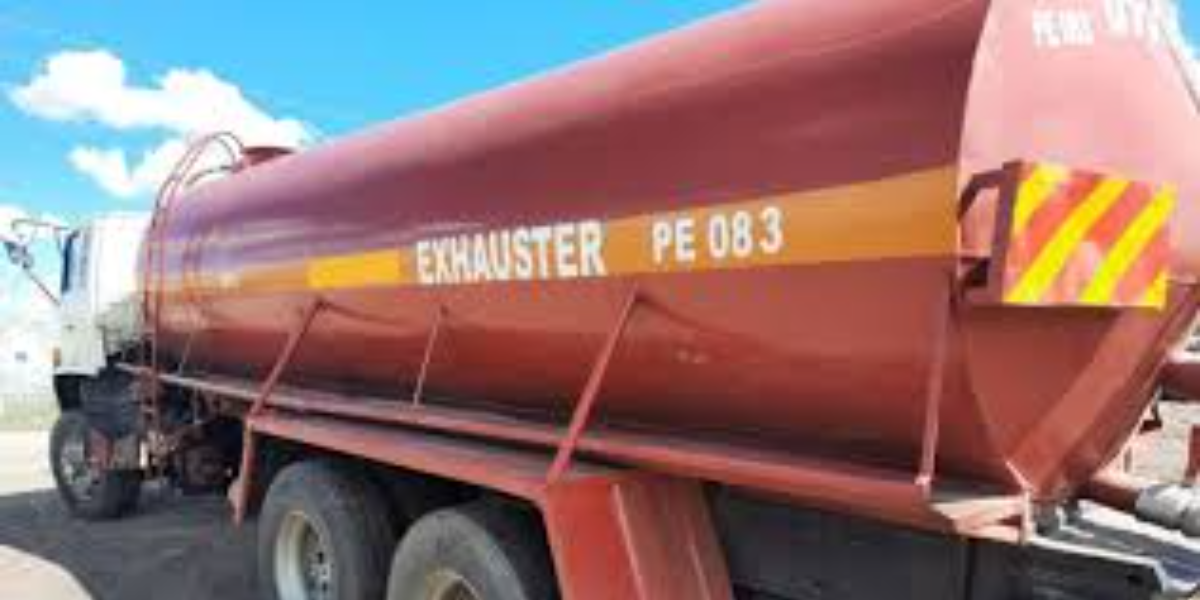
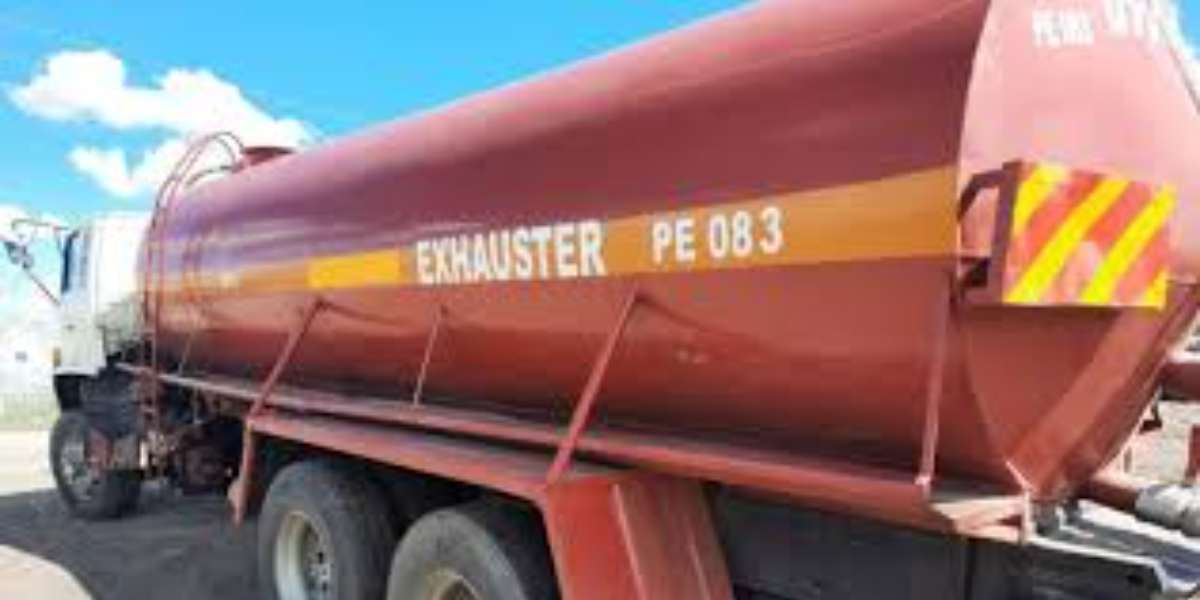
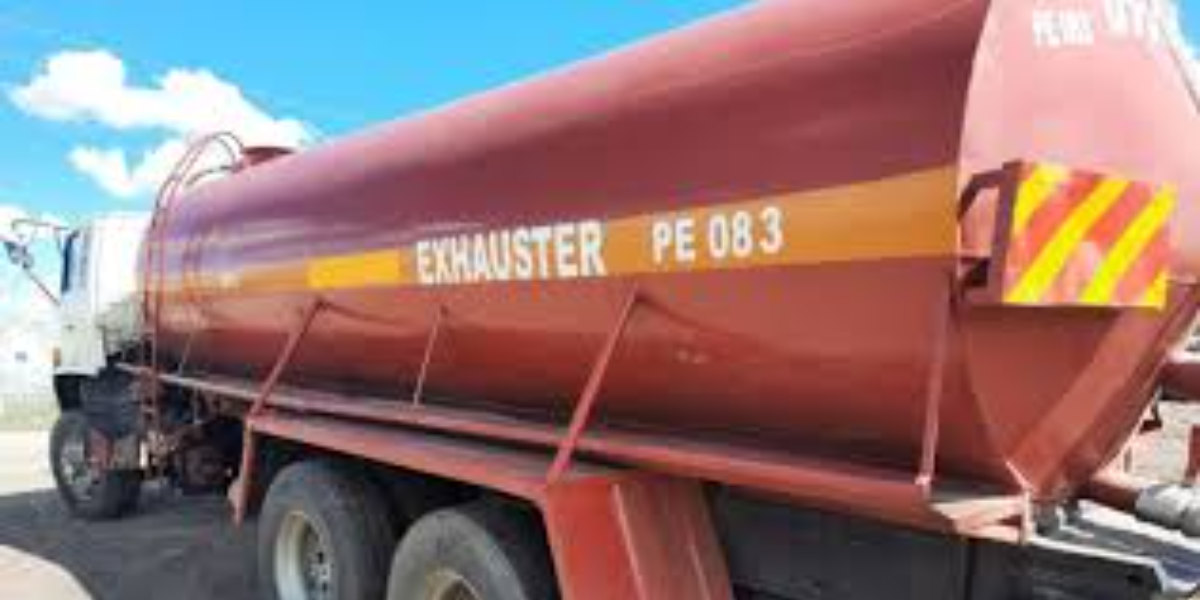
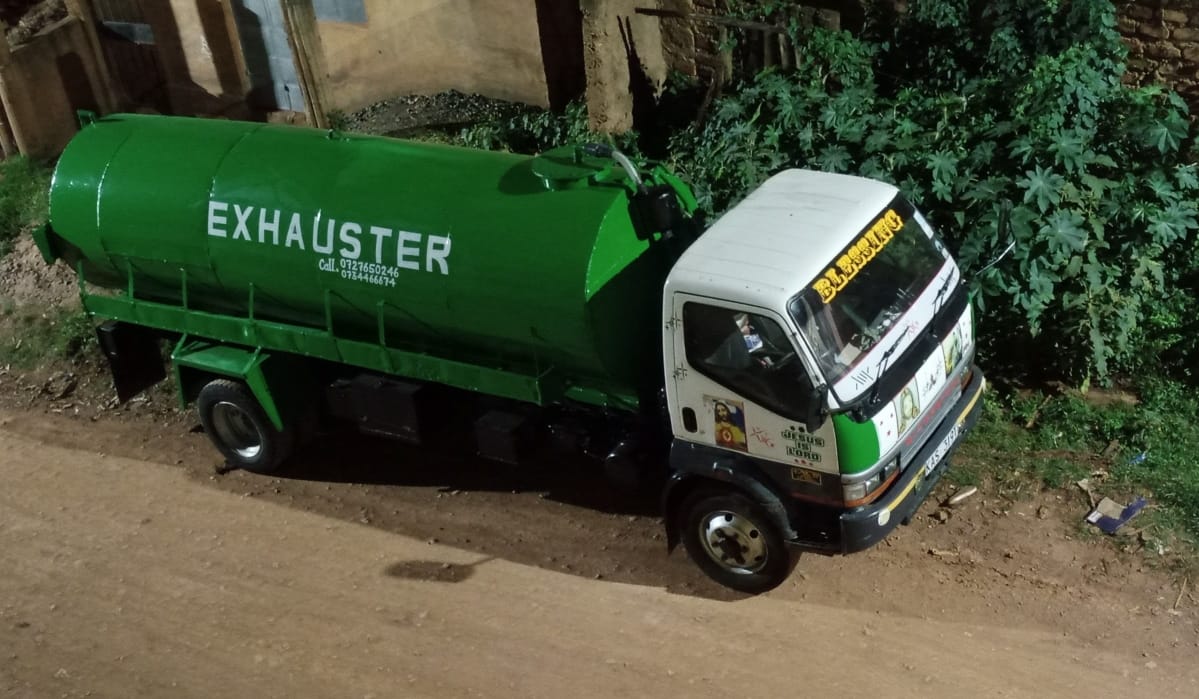
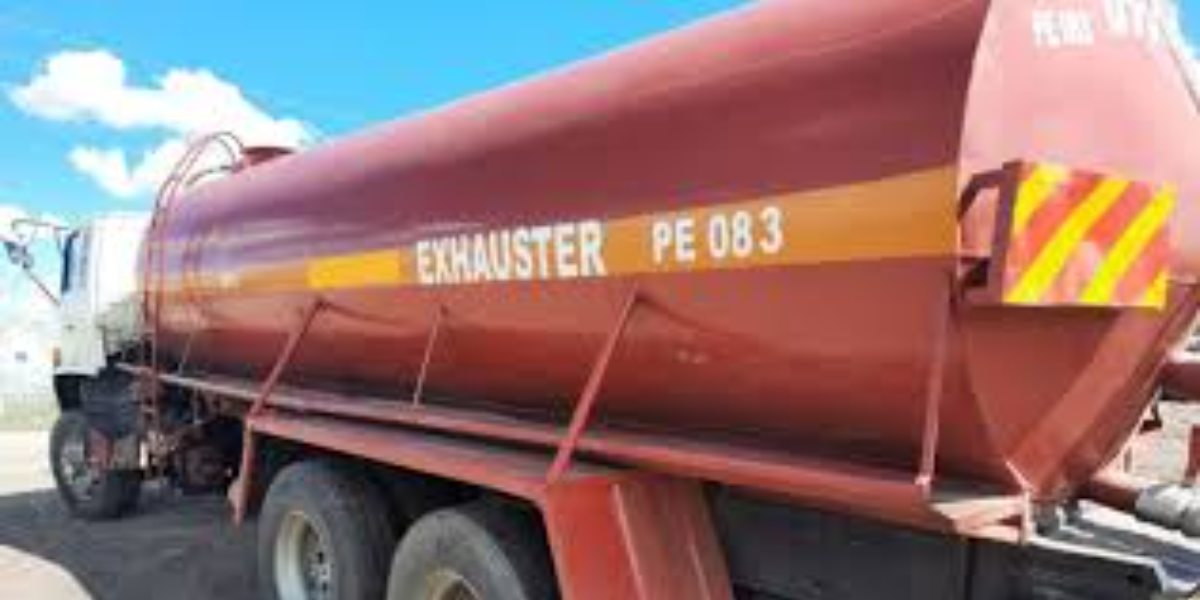
The process is carried out using specialized vacuum trucks equipped with powerful pumps and storage tanks. These trucks, commonly referred to as "exhausters," suck waste from underground systems and transport it to approved treatment and disposal facilities.
In countries with extensive sewer infrastructure, septic systems may not be as common. Kenya, however, presents a different reality.
Outside a few sections of major urban centres such as Nairobi, Mombasa, Kisumu, and parts of Eldoret, many homes and businesses rely on septic tanks or pit latrines rather than centralized sewer systems. As a result, exhauster services form an essential part of everyday sanitation management.
Without regular exhausting, waste systems eventually overflow, creating health risks, environmental hazards, and expensive repair costs.
Why Exhauster Services Are Important
Proper waste management affects much more than convenience.
An overflowing septic tank can contaminate groundwater, spread disease, damage property, and create unpleasant living conditions. In densely populated areas, the impact extends beyond a single property and affects entire neighborhoods.
For businesses, poor sanitation can lead to customer complaints, failed inspections, and reputational damage.
Schools and healthcare facilities face even greater risks because sanitation directly affects the wellbeing of students, staff, patients, and visitors.
Reliable exhauster services help:
- Prevent sewage backups
- Protect groundwater and nearby water sources
- Maintain healthy living conditions
- Comply with environmental regulations
- Extend the lifespan of septic systems
- Reduce costly emergency repairs
In short, regular septic maintenance is significantly cheaper than dealing with a sanitation crisis.
Common Properties That Need Exhauster Services
Many people associate exhausters with pit latrines in rural areas, but the reality is far broader.
Residential Homes
Standalone homes across Kenya commonly use septic tanks or biodigesters. Depending on household size and tank capacity, these systems require periodic emptying.
Families in areas such as Kitengela, Syokimau, Ruiru, Juja, Kikuyu, and Ngong often rely heavily on exhauster services due to limited sewer connectivity.
Apartment Buildings
Rental apartments generate significantly more wastewater than single-family homes.
Landlords managing properties in areas such as Pipeline, Zimmerman, Rongai, Kasarani, or Embakasi often schedule routine exhausting several times per year to avoid tenant complaints and plumbing emergencies.
Hotels and Hospitality Facilities
Hotels, resorts, lodges, and guesthouses experience fluctuating occupancy levels that can rapidly increase wastewater production.
Tourism destinations such as Diani, Watamu, Naivasha, Nanyuki, and Maasai Mara frequently depend on regular exhauster services, especially during peak travel seasons.
Schools and Universities
Boarding schools generate large volumes of waste daily.
Most institutions schedule septic tank emptying during school holidays to minimize disruption and maintain hygiene standards throughout the academic year.
Hospitals and Medical Facilities
Healthcare facilities require strict sanitation protocols.
Although medical waste follows separate disposal procedures, septic systems within hospitals and clinics still require routine maintenance from qualified providers.
Industrial and Commercial Facilities
Factories, warehouses, shopping centres, and manufacturing plants often have specialized waste management requirements that demand experienced and licensed operators.
Signs Your Septic Tank Needs Emptying
Many property owners wait until a situation becomes urgent before calling an exhauster. Unfortunately, by that point, the problem is often more expensive to fix.
Recognizing early warning signs can help prevent emergencies.
Slow Drainage Throughout the Property
When sinks, showers, and toilets begin draining more slowly than usual, your septic system may be approaching capacity.
If multiple fixtures are affected simultaneously, the issue often points to the septic tank rather than a localized blockage.
Persistent Odors
One of the most obvious signs is a foul smell around the compound.
These odors may become stronger after rainfall, when groundwater levels rise and place additional pressure on an already full system.
Sewage Backups
Wastewater backing up into toilets, bathrooms, or sinks is a serious warning sign that requires immediate attention.
Ignoring it can result in extensive property damage and health risks.
Unusually Green Vegetation
If grass above or around your septic tank appears greener, thicker, or wetter than surrounding areas, wastewater may be leaking into the soil.
Increased Pest Activity
Flies and other insects are often attracted to leaking sewage systems.
A sudden increase in pests near drainage areas should not be ignored.
How the Exhauster Process Works
For many first-time customers, the process can seem complicated. In reality, a professional exhauster service follows a straightforward sequence.
Site Assessment
The provider evaluates:
- Tank size
- Accessibility
- Distance from parking area
- Type of waste system
- Hose length requirements
This information helps determine pricing and logistical requirements.
Equipment Setup
Upon arrival, technicians position the truck and prepare the vacuum system.
Where inspection covers are unavailable, access points may need to be opened carefully.
Waste Extraction
Using powerful vacuum pumps, waste is removed from the tank and transferred into the truck's storage compartment.
Depending on tank size, the process may take between 20 minutes and one hour.
Cleaning and Inspection
Professional operators often inspect the tank for signs of structural damage, cracks, or blockages while emptying.
This can help identify future maintenance needs.
Transportation and Disposal
The waste is transported to approved treatment facilities where it undergoes proper processing and disposal in accordance with environmental regulations.
Factors That Influence Exhauster Service Costs in Kenya
One of the most common questions property owners ask is, "How much does septic tank emptying cost?"
The answer depends on several factors.
Tank Size
Larger tanks naturally require more time and capacity to empty.
A residential tank may require one trip, while institutions and commercial facilities may need multiple trips.
Location
Properties located far from major towns may attract additional transport charges.
Remote areas often require more fuel and travel time.
Accessibility
Properties with narrow access roads, steep terrain, or long distances between the tank and truck parking area can increase costs.
Emergency Call-Outs
Weekend, holiday, and after-hours services generally cost more than scheduled appointments.
Disposal Charges
County regulations and treatment facility fees vary across different regions.
These charges may be included in the final quote.
Most residential customers in major Kenyan towns typically pay between KES 5,000 and KES 15,000 depending on the circumstances, while larger commercial projects can cost significantly more.
How to Choose a Reliable Exhauster Service Provider
Not all providers offer the same level of professionalism.
Choosing the wrong operator can result in poor service, environmental violations, or incomplete waste removal.
Verify Licensing
A legitimate provider should possess the necessary licenses and permits required by county authorities and environmental regulators.
Ask About Disposal Procedures
Always confirm where the waste will be disposed of.
Responsible operators use approved treatment facilities and can provide disposal records when required.
Check Reviews and References
Recommendations remain one of the most reliable ways to evaluate service quality.
Landlords, estate managers, and neighboring businesses often know which providers consistently deliver good service.
Many people also use trusted online directories to identify vetted service professionals. Platforms such as The Real Plug make it easier to find verified businesses and service providers across Kenya, helping users avoid unreliable operators and save time during the search process.
Compare More Than Price
The cheapest quote is not always the best value.
Reliability, safety practices, professionalism, and proper disposal procedures matter just as much as cost.
Environmental Regulations and Legal Requirements
Waste disposal is not just the responsibility of service providers.
Property owners also have legal obligations.
Kenya's environmental regulations require waste to be transported and disposed of through approved channels. Illegal dumping can attract penalties and environmental enforcement actions.
Good record-keeping is increasingly important as counties modernize waste management systems and strengthen compliance monitoring.
Property owners should retain:
- Service receipts
- Disposal documentation
- Maintenance records
- Inspection reports
These records can prove useful during audits, inspections, or property transactions.
Reducing How Often You Need Exhauster Services
Although every septic system eventually requires emptying, several practices can help extend service intervals.
Avoid flushing non-biodegradable materials such as diapers, wipes, sanitary products, and plastics.
Kitchen grease should never be poured directly into drains, especially in restaurants and hospitality businesses.
Regular inspections help identify issues before they become major problems.
For new developments, biodigesters are becoming increasingly popular because they reduce sludge accumulation and require less frequent emptying compared to traditional septic systems.
Property owners should also be mindful of landscaping. Large tree roots can invade septic systems and cause significant damage over time.
The Future of Waste Management in Kenya
As urbanization continues across Kenya, demand for professional sanitation services is expected to grow.
New residential developments, expanding towns, and stricter environmental regulations are pushing property owners toward more structured waste management practices.
Technology is also improving the sector. Modern vacuum trucks, digital booking systems, and better waste tracking methods are helping raise service standards across the country.
For homeowners, landlords, businesses, and institutions, proactive septic maintenance is becoming less of an option and more of a necessity.
Final Thoughts
Exhauster services may not be the most visible part of property management, but they are among the most important.
A well-maintained septic system protects health, preserves property value, supports environmental sustainability, and prevents costly emergencies.
Whether you're managing a family home in Kitengela, an apartment block in Nairobi, a school in Nyeri, or a hotel on the Coast, regular septic maintenance should be part of your long-term planning.
Taking the time to work with licensed, reputable providers and maintaining proper service records can save significant time, money, and stress in the future. As Kenya continues to grow and urbanize, responsible sanitation management will remain a critical part of building healthier communities and more sustainable businesses.