

Sewage removal is not a topic people bring up over lunch, but in Kenya, it is one of those services you truly appreciate when you need it. One blocked line, one full septic tank, or one overflowing manhole can turn a normal day into a stressful mess very quickly.
For homeowners, landlords, schools, restaurants, hotels, offices, and institutions, proper sewage removal is part of responsible property management. It keeps spaces clean, protects public health, and helps avoid trouble with neighbours, tenants, customers, and county officers.
If your property is not connected to a reliable main sewer line, or if your existing sewer system blocks often, knowing how sewage removal works can save you money and plenty of headaches.
What Sewage Removal Means in Kenya
Sewage removal refers to the safe collection, transportation, and disposal of wastewater, sludge, and human waste from septic tanks, pit latrines, conservancy tanks, soak pits, grease traps, blocked manholes, and sewer lines.
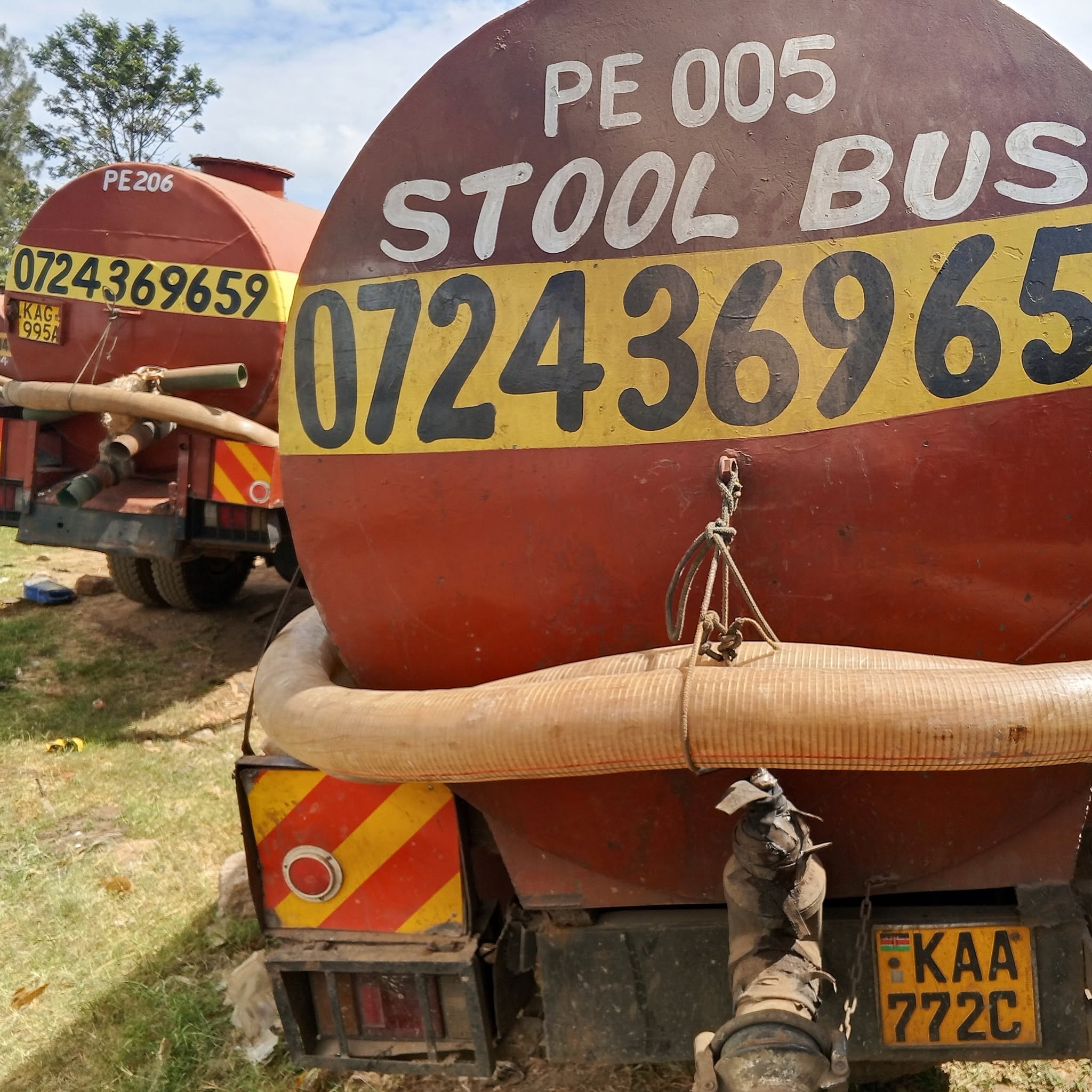
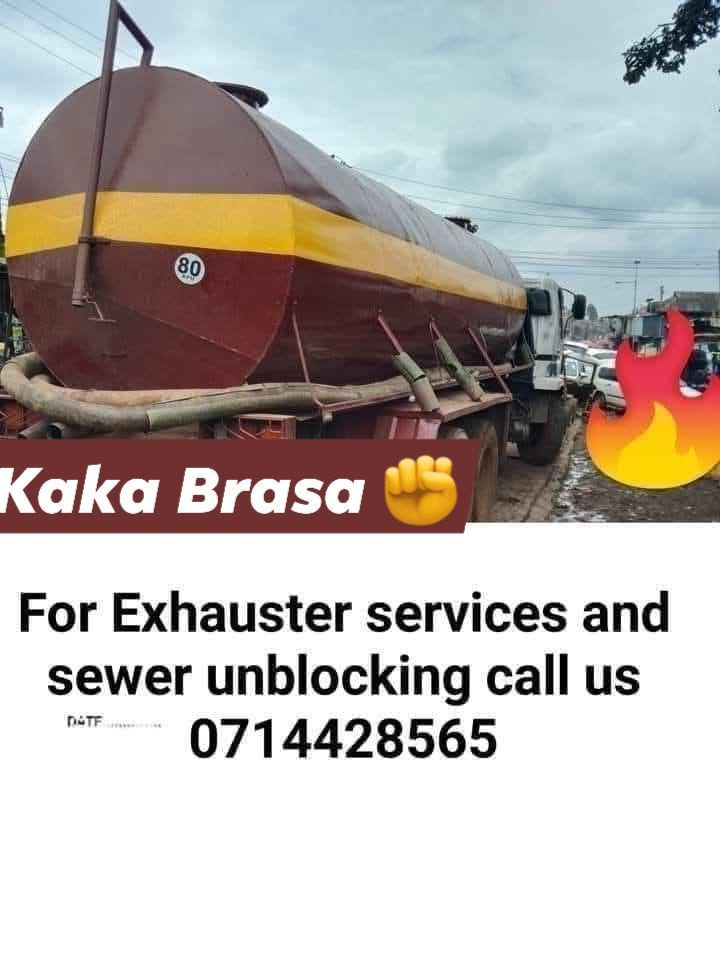
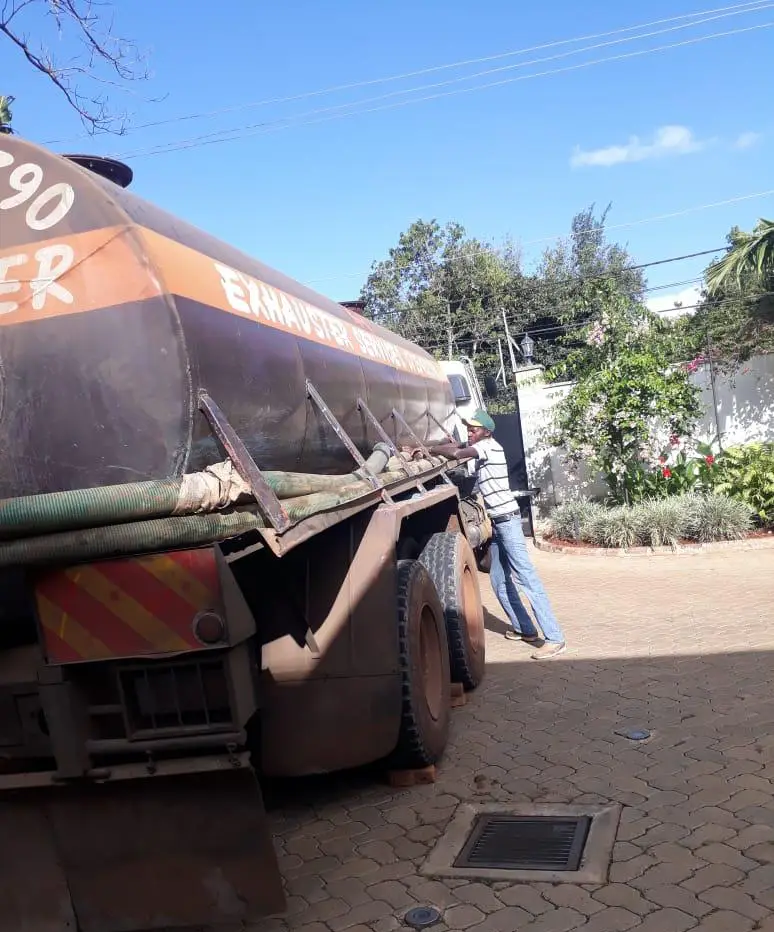
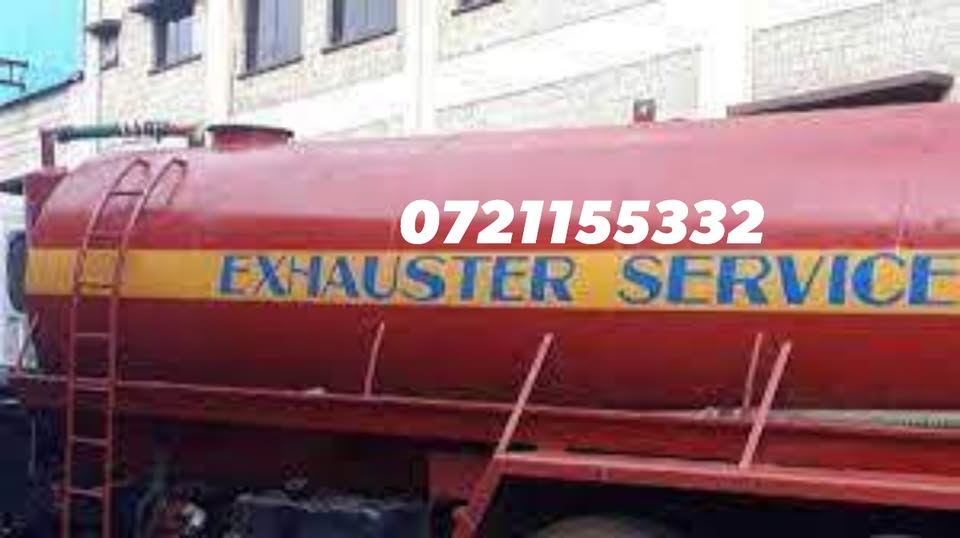
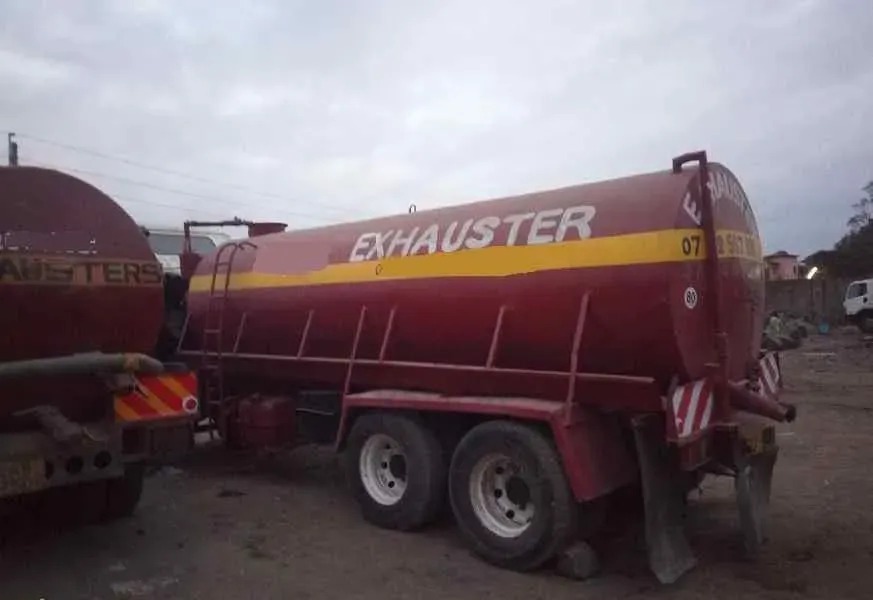
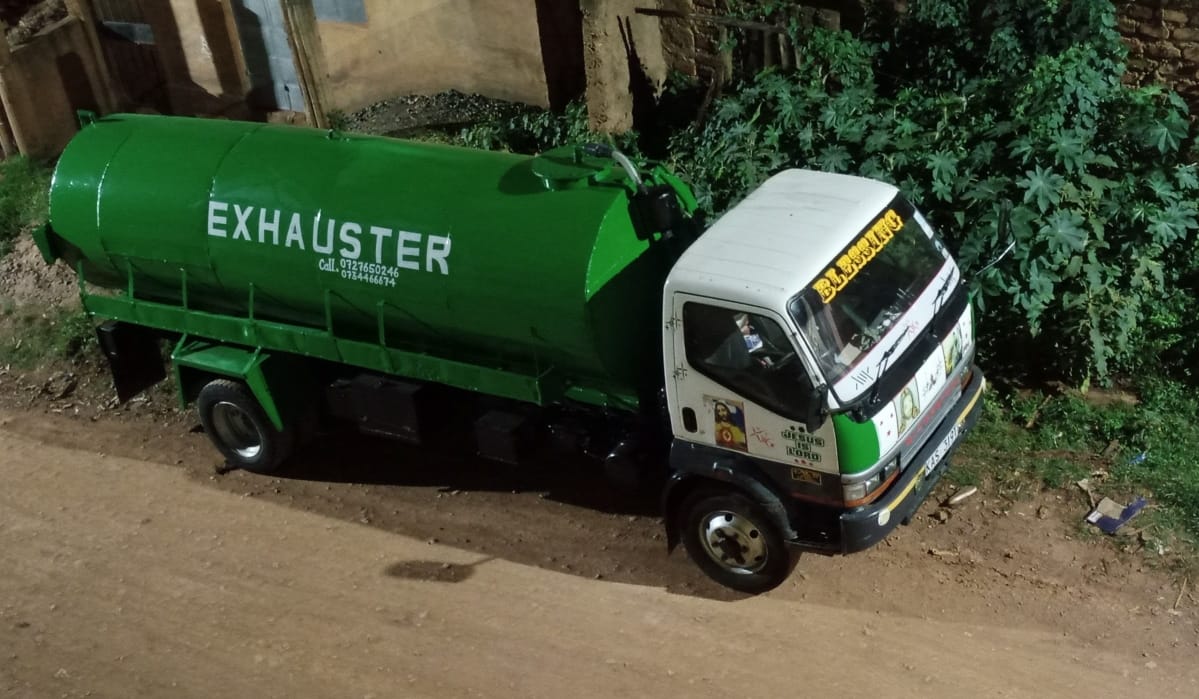
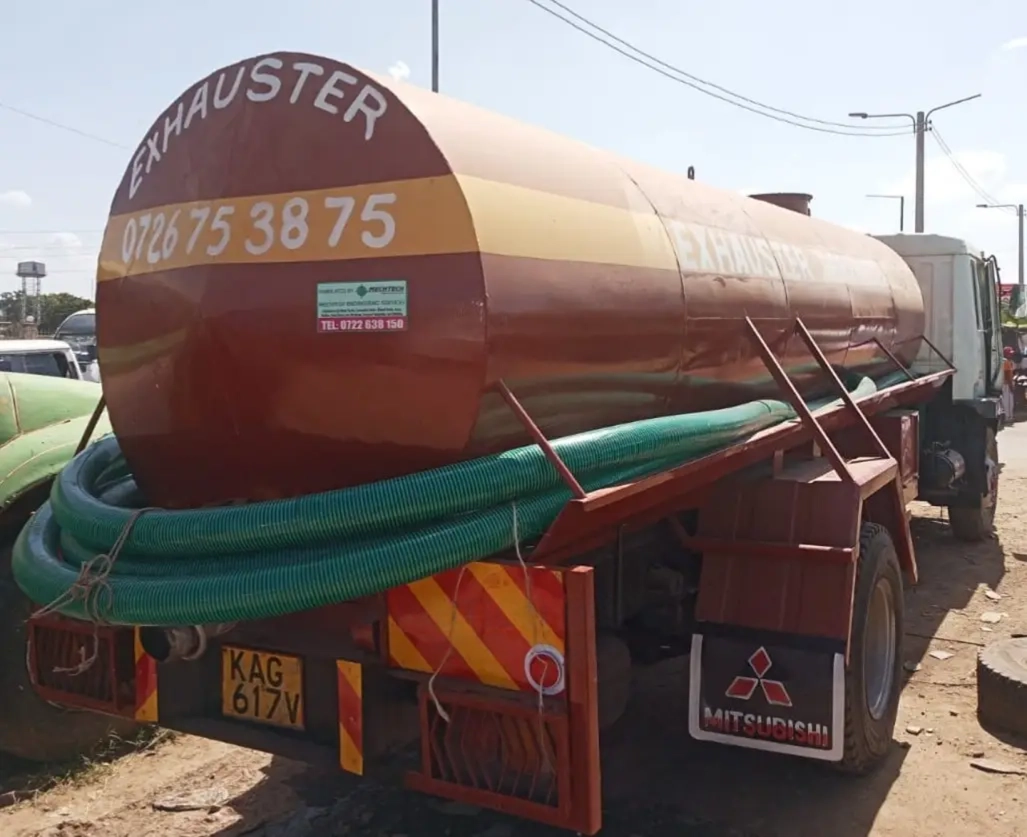
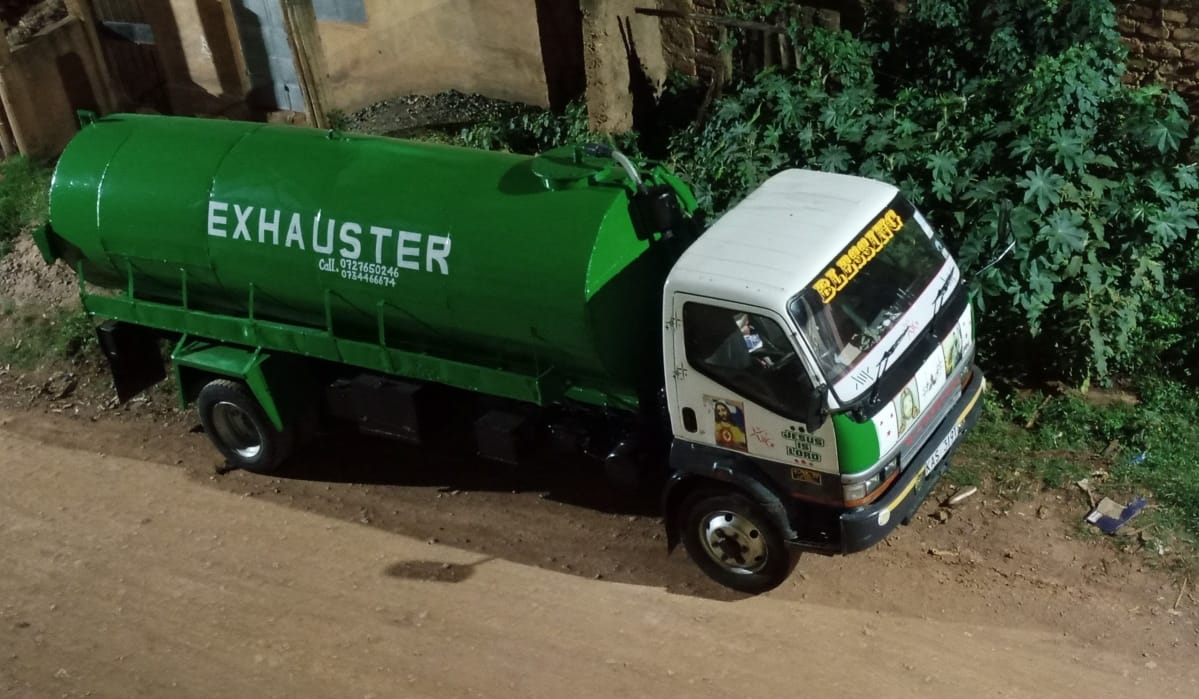
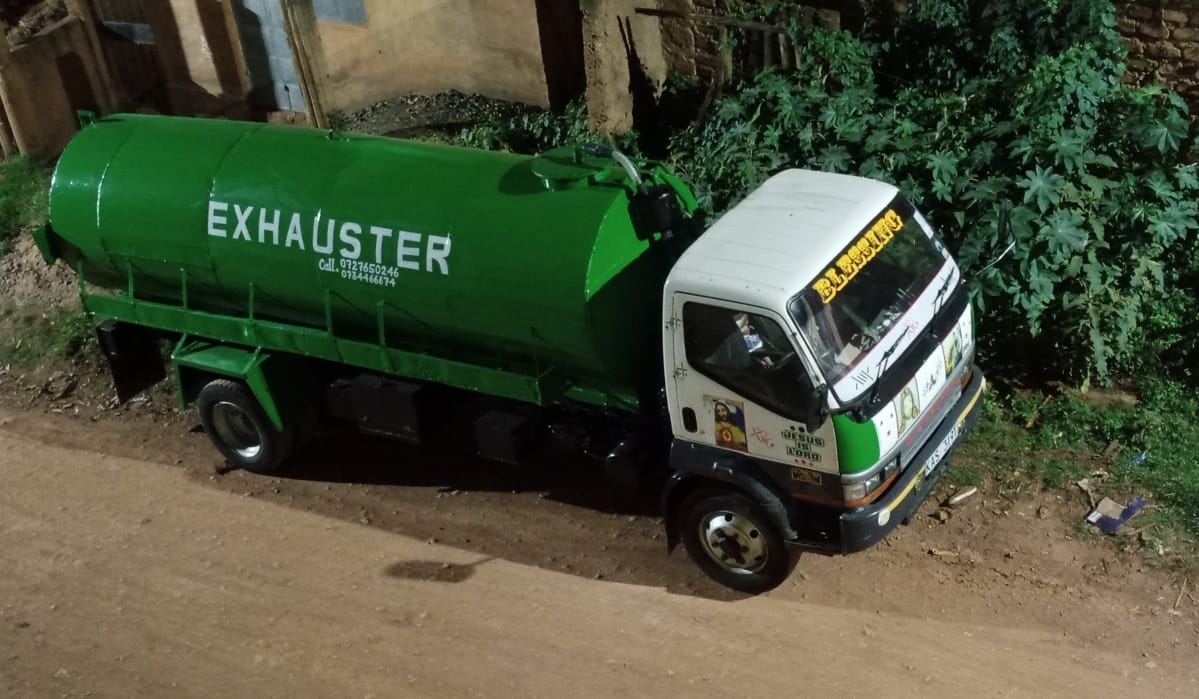
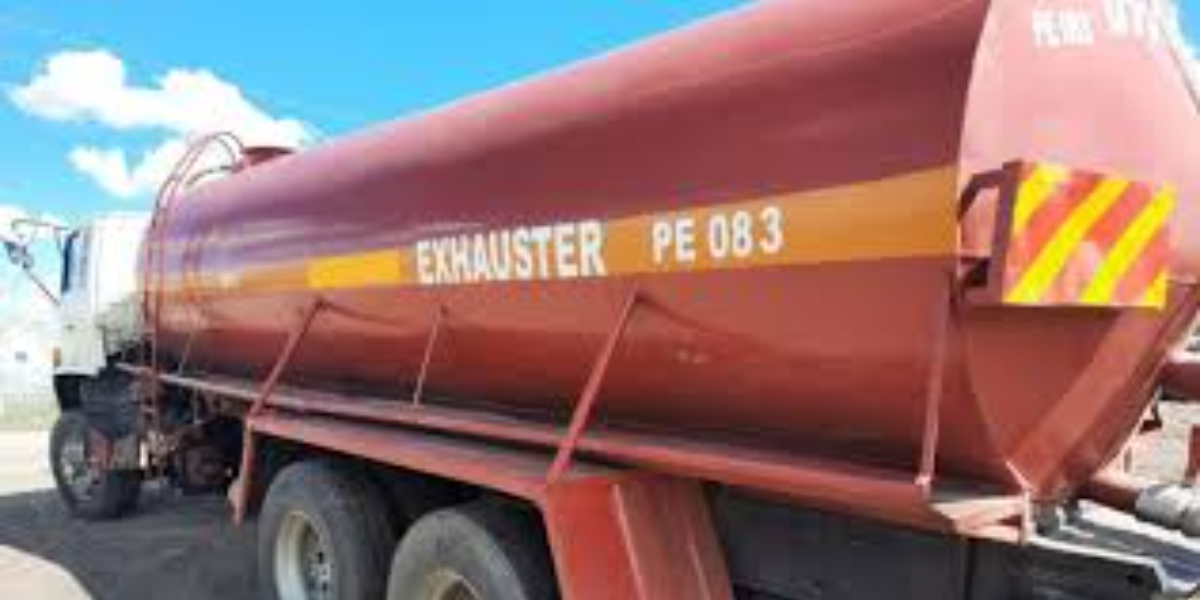
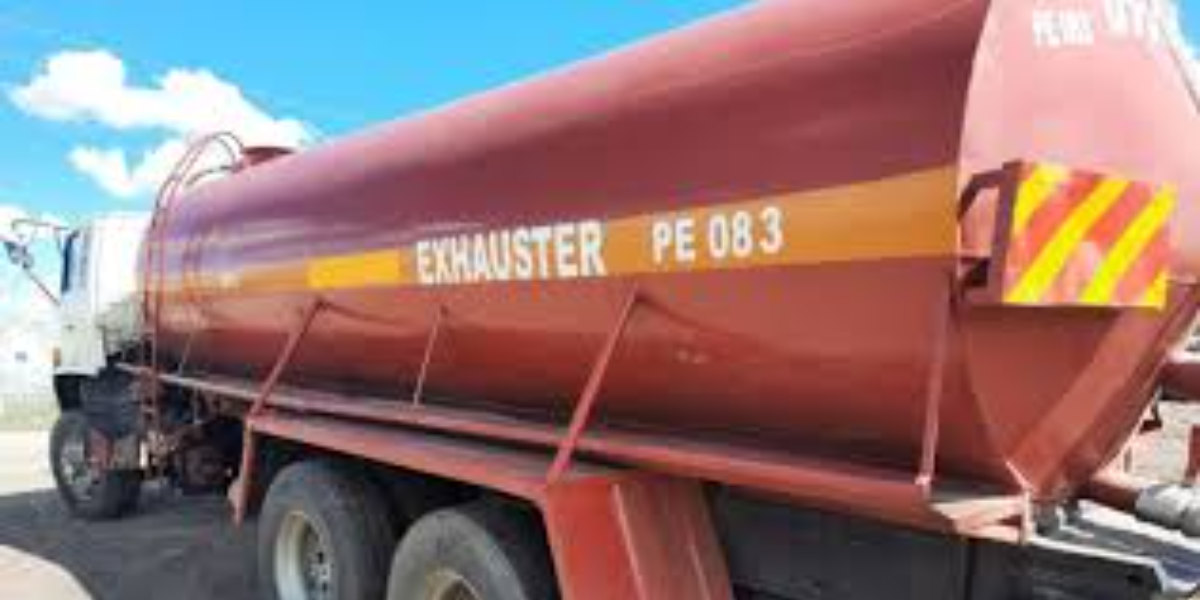
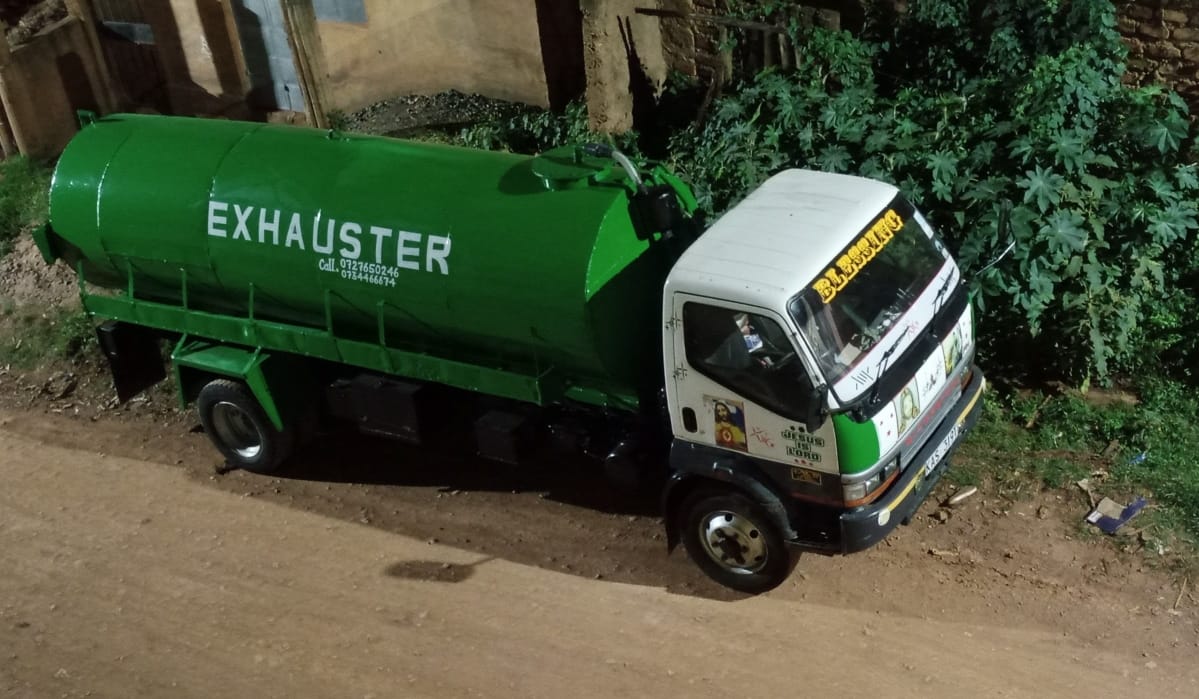
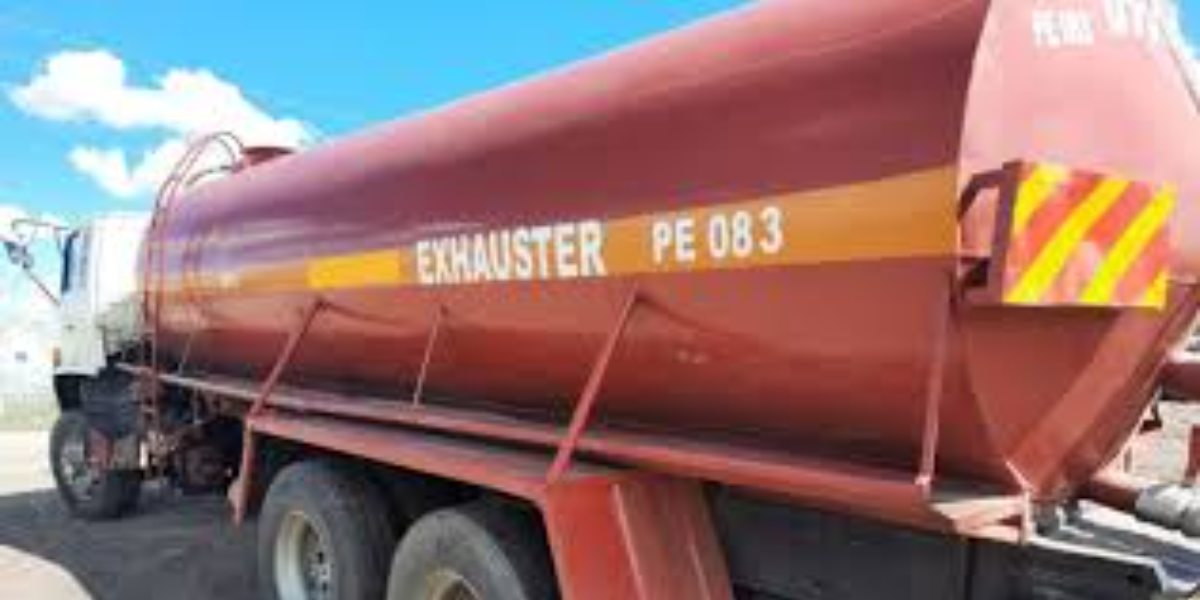
In many Kenyan homes and businesses, this work is done using vacuum trucks, commonly called exhausters or honey suckers. These trucks suck waste from underground systems and carry it to approved treatment or disposal sites.
Sometimes sewage removal also involves plumbers or drainage technicians, especially where pipes are blocked, manholes are overflowing, or sewer lines have collapsed. The exhauster removes waste, but damaged pipes or structural problems may need separate repairs.
Why Sewage Removal Matters
A sewage problem is not just unpleasant. It can be dangerous.
Overflowing waste can contaminate soil, water tanks, boreholes, and nearby drainage channels. It can attract flies and pests, spread disease, and make a property uncomfortable or even unsafe to use.
For landlords, sewage issues can lead to tenant complaints and vacancies. For hotels and restaurants, poor sanitation can affect customer trust and health inspections. For schools and hospitals, hygiene problems can quickly become serious public health concerns.
Good sewage removal keeps things moving quietly in the background. You may not notice it when it is done well, and that is exactly the point.
Who Needs Sewage Removal Services?
Homeowners
Many homes in areas such as Kitengela, Syokimau, Ruiru, Rongai, Juja, Ngong, Nanyuki, and parts of Nakuru or Eldoret use septic tanks or biodigesters. These systems fill over time and must be emptied before they overflow.
A household may need sewage removal every one to two years, depending on tank size, family size, water use, and soil drainage.
Landlords and Property Managers
Rental properties place heavier pressure on waste systems. A tank serving several units fills much faster than one serving a single family home.
In high-density areas, waiting until tenants complain is risky. Regular sewage removal helps avoid blocked toilets, bad smells, and emergency callouts.
Restaurants and Food Businesses
Restaurants, hotels, cafés, butcheries, and food kiosks deal with more than toilet waste. Kitchen grease, oils, and food particles can clog drains and fill grease traps.
These businesses need proper sewage and grease trap maintenance to avoid smells, backups, and inspection issues.
Schools, Churches, and Institutions
Boarding schools, churches, colleges, hospitals, and training centres serve many people daily. Their waste systems need scheduled attention, not guesswork.
Many institutions arrange sewage removal during holidays or low-traffic periods to avoid disrupting normal operations.
Construction Sites and Events
Mobile toilets at construction sites, weddings, concerts, sports events, and public gatherings must be emptied regularly. Poor planning here can turn an event into a very public embarrassment.
Common Sewage Problems in Kenyan Properties
A full septic tank is one of the most common issues. Signs include slow drains, gurgling toilets, smells near the tank, and wet ground around the septic area.
Blocked sewer lines are also common, especially where people flush wet wipes, sanitary pads, diapers, cotton wool, or plastics. Tree roots and collapsed pipes can also block drainage.
Grease trap overflow is common in restaurants and hotels. Pouring hot water down the sink may seem like a quick fix, but it often pushes grease further into the line, where it hardens again.
Soak pit failure is another problem. If a septic tank fills shortly after emptying, the soak pit may be clogged and unable to absorb liquid properly.
How Sewage Removal Works
A professional provider should begin by asking questions. They need to know your location, the type of waste system, tank size, access, and whether the problem is urgent.
When the truck arrives, the crew parks as close as possible to the tank or manhole. They connect a heavy suction hose, open the access point, and use the vacuum pump to remove the waste into the truck’s sealed tank.
After pumping, the crew should clean the work area, disinfect where necessary, and close the access point safely. If concrete had to be broken to reach the tank, this should be discussed clearly before work starts.
The waste should then be taken to an approved treatment or disposal facility. This step is important because illegal dumping can harm the environment and expose property owners to penalties.
How Much Sewage Removal Costs in Kenya
Sewage removal costs vary depending on location, truck size, tank capacity, access, urgency, and type of waste.
A small residential septic tank with easy access will usually cost less than a school, apartment block, hotel, or restaurant job. Emergency night calls, weekend service, long hose distances, blocked manholes, and grease trap waste may increase the price.
Before booking, ask for a clear quote. Confirm whether the price includes pumping, transport, disposal, cleanup, opening the slab, and documentation. Getting this in writing through WhatsApp can prevent arguments later.
Be careful with quotes that are far below the usual market range. Legal disposal, fuel, labour, and equipment maintenance all cost money. A suspiciously cheap provider may be planning to dump waste illegally or add extra charges on-site.
How to Choose a Reliable Sewage Removal Provider
A reliable provider should be licensed, well-equipped, and clear about disposal. Ask whether they are allowed to transport wastewater and where they dispose of it.
They should arrive with a functioning truck, strong hoses, protective gear, and a crew that understands basic safety. If they show up unprepared or vague, do not ignore that feeling.
Reviews and referrals can help, but they are not enough on their own. You should still ask direct questions. For people who prefer a more organized search, The Real Plug helps users find vetted professionals across Kenya, including service providers for homes and businesses. It is a useful starting point when you want to avoid random numbers and unreliable referrals.
Legal and Environmental Responsibility
Sewage waste must be handled properly. As a property owner or business operator, you have a responsibility to ensure waste from your premises is not dumped illegally.
Use licensed providers, ask for receipts, and keep disposal records where possible. This is especially important for businesses, schools, hotels, rental properties, and institutions that may face inspections.
Illegal dumping can contaminate rivers, land, and groundwater. It also damages communities that are already dealing with drainage and sanitation challenges.
How to Reduce Frequent Sewage Removal
You cannot avoid sewage removal forever, but you can reduce how often you need it.
Do not flush wet wipes, pads, diapers, condoms, plastics, or cotton buds. These items block pipes and fill tanks faster. Avoid pouring cooking oil and grease into sinks. Restaurants should maintain grease traps regularly.
Repair leaking toilets and taps because constant water flow fills septic systems quickly. Keep trees with aggressive roots away from tanks and sewer lines. Also, inspect your system once in a while instead of waiting for bad smells or backups.
For new builds, consider proper septic design or biodigester installation. A poorly built system will keep costing you long after the contractor has left.
Extra Advice for Businesses and Institutions
Businesses should treat sewage removal as an operating cost, not an emergency expense. Restaurants, malls, schools, hospitals, and rental properties should keep service logs showing dates, providers, and disposal details.
Staff should also know what not to pour or flush. Kitchen workers, cleaners, guards, and caretakers are often the first people to notice drainage problems, so they should know who to contact and where the tank or manhole is located.
Annual service contracts can also help larger properties. They reduce last-minute panic and may offer better pricing over time.
Final Thoughts
Sewage removal services are part of everyday property care in Kenya, even if people rarely talk about them until there is a problem. Whether you own a home, manage rentals, run a restaurant, operate a school, or host events, reliable waste removal protects your property and the people who use it.
The best approach is simple. Know your system, plan ahead, hire licensed providers, keep records, and avoid shortcuts. A clean compound and working toilets may seem basic, but when sewage problems start, you realise just how important they are.
Handled properly, sewage removal is just routine maintenance. Ignored for too long, it becomes a crisis.